來源36氪•較早收集於 21m
鈴木敏文與7-Eleven的零售哲學
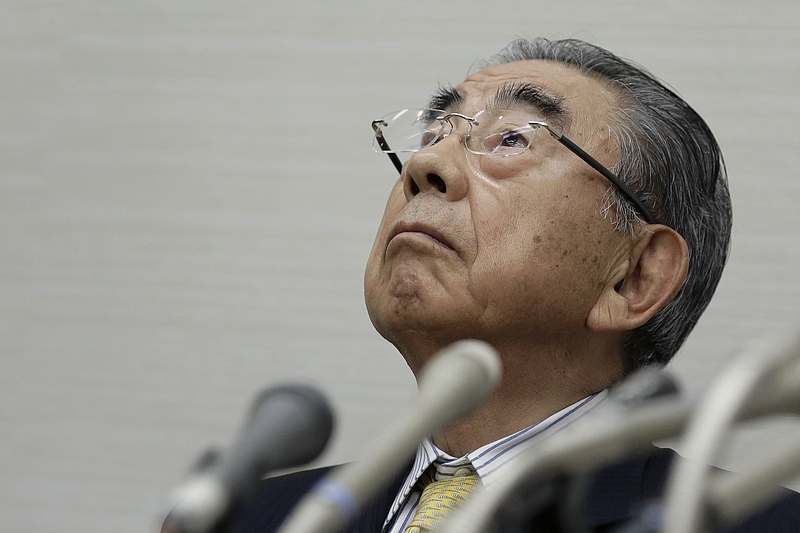
💡學習開創現代自動化供應鏈與庫存管理先河的數據驅動零售哲學。
⚡ 30 秒速覽
有什麼變化
首創基於數據驅動PDCA循環的「單品管理」系統。
為什麼重要
鈴木敏文的數據驅動零售管理原則,為現代自動化庫存與供應鏈系統奠定了基礎,並影響了當前AI驅動的零售運營。
下一步行動
研究「單品管理」的PDCA框架,以優化您AI代理的數據回饋迴路設計。
誰應關注:Founders & Product Leaders
關鍵要點
- •首創基於數據驅動PDCA循環的「單品管理」系統。
- •將便利商店轉型為提供銀行與公共事業服務的社區樞紐。
- •強調「站在顧客立場思考」而非僅僅是服務顧客。
🧠 深度解析
背景與延伸:來自公開資料,非原文內容。引用 14 個來源。
🔑 增強重點摘要
- •Suzuki Toshifumi spearheaded 7-Eleven Japan's strategic acquisition of its struggling American parent company, Southland Corporation, in 1991, eventually gaining full ownership in 2005, thereby transforming the global 7-Eleven brand into a Japanese-led retail empire.
- •He implemented a distinctive 'dominant store clustering' strategy, which involved saturating specific geographic areas with multiple 7-Eleven outlets to enhance logistical efficiency, maximize brand visibility, and strategically deter competitors from establishing a strong presence in those markets.
- •Under his influence, 7-Eleven Japan developed highly successful private-label product lines, notably '7-Premium' and '7-Gold,' offering exclusive, high-quality goods that differentiated their offerings and significantly contributed to higher profit margins.
- •The Japanese government formally recognized the critical societal role of convenience stores, including 7-Eleven, by designating them as 'essential social infrastructure' in 2018, acknowledging their functions in disaster response, welfare monitoring, and providing administrative services beyond traditional retail.
- •Suzuki's vision led to the introduction of fresh, ready-to-eat meals such as onigiri and oden in the late 1970s and early 1980s, which revolutionized Japanese eating habits and established convenience stores as primary sources for daily fresh food, supported by a highly efficient, multi-delivery supply chain.
🛠️ 技術深入
- Tanpin Kanri (Single-Item Management): This core methodology involves forming hypotheses about the optimal order quantity and display methods for individual products, meticulously verifying actual sales results, and rapidly reviewing and adjusting these hypotheses in short cycles.
- Data-Driven PDCA Cycles: The system heavily relies on Point of Sale (POS) data, which captures details like customer gender (estimated), age, and purchased items. This data is transmitted to headquarters, aggregated by region, product, and time, and then disseminated to suppliers and stores to inform daily strategic adjustments.
- Advanced Logistics and Supply Chain: 7-Eleven Japan operates a combined distribution system featuring multiple temperature-separated zones, enabling products from various suppliers (frozen, chilled, room temperature, hot foods) to be delivered efficiently in the same truck. Stores receive fresh food deliveries up to three times per day, ensuring product freshness and minimizing waste.
- Operation Field Counselors (OFCs): OFCs serve as a crucial link, visiting stores regularly (typically twice a week) to provide management support, analyze sales data, and offer advice on product selection and display tailored to local market conditions.
- High Inventory Turnover: The system achieved an impressive annual inventory turnover rate of 50 in Japan, significantly higher than in other markets, demonstrating highly efficient stock management and rapid product rotation.
🔮 前景展望基於引用來源的 AI 分析
The Japanese convenience store model, heavily influenced by Suzuki's innovations, will continue to serve as a global benchmark for retail efficiency and integrated community services.
Its proven success in adapting to societal needs, from fresh food logistics to disaster response, provides a robust framework for international expansion and diversification.
Increased adoption of advanced data analytics and AI will further refine 'single-item management' and personalized customer experiences in convenience retail.
Suzuki's emphasis on data-driven decisions and customer perspective lays the groundwork for leveraging emerging technologies to optimize inventory, predict demand, and tailor offerings with greater precision.
Convenience stores will deepen their role as critical social infrastructure, particularly in aging societies and during emergencies.
The formal government designation and existing partnerships for services like welfare monitoring and disaster relief demonstrate a growing reliance on these networks to address broader societal challenges.
⏳ 時間線
1973-11
York Seven (later 7-Eleven Japan) established, signing a licensing agreement with the U.S. Southland Corporation.
1974-05
The first 7-Eleven store in Japan opened in Toyosu, Koto-ku, Tokyo.
1978-01
York Seven was renamed Seven-Eleven Japan Co., Ltd., and Toshifumi Suzuki became its first president.
1987-10
7-Eleven Japan initiated 24-hour utility bill payment services, marking a significant step in transforming stores into social infrastructure.
1991-03
Seven-Eleven Japan acquired a majority stake in its U.S. parent, Southland Corporation, effectively turning the global 7-Eleven brand into a Japanese-led entity.
2018
The Japanese government formally designated convenience stores, including 7-Eleven, as essential social infrastructure.
📎 來源 (14)
Factual claims are grounded in the sources below. Forward-looking analysis is AI-generated interpretation.
📰
AI 週報
閱讀本週精選 AI 大事摘要 →
👉相關動態
AI 策展新聞聚合。所有內容版權歸原始發布者所有。
原始來源: 36氪 ↗
每週電子報
每週一封,可隨時退訂。