春晚機器人驚艷日本傻眼

💡China's gala robots claim 90% market, Japan stunned—embodied AI race heats up
⚡ 30-Second TL;DR
有什麼變化
機器人於春晚表演流暢功夫、1:1演員模仿、說相聲
為什麼重要
中國具身AI春晚展示提升全球認知,加劇日本機器人企業競爭壓力。
下一步行動
Benchmark Chinese humanoid supply chains on Humanoid 100 list for your robot cost optimization.
關鍵要點
- •機器人於春晚表演流暢功夫、1:1演員模仿、說相聲
- •中國人形機器人出貨佔全球90%,成本如高配汽車
- •日本生成AI使用率26.7%對中國81%,2019-2023無頂級模型
- •Humanoid 100榜無日本企業,儘管ASIMO傳承
🧠 深度解析
背景與延伸:來自公開資料,非原文內容。引用 5 個來源。
🔑 增強重點摘要
- •Global humanoid robot shipments reached approximately 18,000 units in 2025, representing a 508% year-over-year surge, with Chinese firms commanding dominant market share[1]
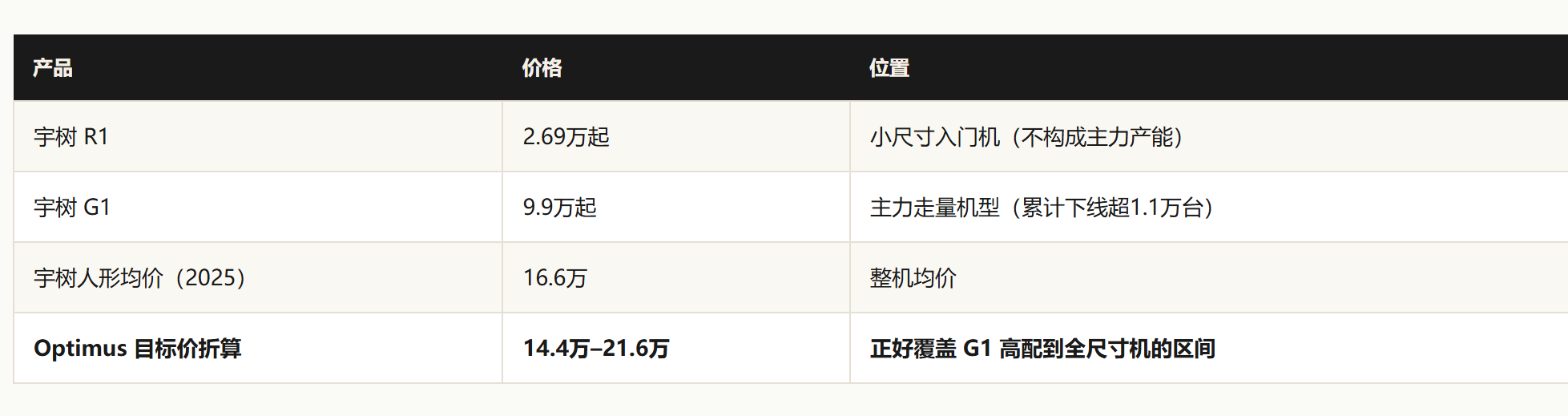
- •Chinese companies AgiBot and Unitree Robotics led 2025 shipments, with AgiBot delivering approximately 5,200 units and Unitree Robotics exceeding 5,500 units[1]
- •Full-size humanoid robots accounted for 41.6% of total market revenue in 2025, generating approximately $440 million globally[1]
- •China's industrial robotics output grew 28% year-over-year in 2025, with domestic production now accounting for 57% of China's industrial robot demand, up from 25% a decade ago[3]
- •Global humanoid robot shipments are projected to exceed 62,500 units in 2026, with Chinese companies positioned as primary growth drivers[4]
📊 競品分析▸ Show
| Metric | China | Japan | Notes |
|---|---|---|---|
| 2025 Humanoid Shipments | ~18,000 units (508% YoY growth) | Data unavailable | China dominates global market[1] |
| Market Leaders | AgiBot (5,200 units), Unitree (5,500+ units) | Not specified in search results | Chinese firms control top positions[1] |
| GenAI Adoption Rate | 81% | 26.7% | Significant disparity in AI model development[Article summary] |
| Industrial Robot Density | 470 per 10,000 workers (2023) | Not specified | China ranks 3rd globally, behind South Korea and Singapore[3] |
| Domestic Production Share | 57% (2024) | Not specified | China shifted from 25% domestic production a decade ago[3] |
| 2026 Projected Shipments | Primary growth driver for 62,500+ units | Not specified | Chinese companies leading expansion[4] |
🛠️ 技術深入
• Full-size humanoid robots feature broader application scenarios and command higher sale prices, comprising 41.6% of 2025 market revenue despite lower unit volumes[1] • Primary deployment applications in 2025 ranked by shipment share: entertainment and commercial performances (largest), research and education, data collection, exhibition and reception, industrial intelligent manufacturing, and warehousing/logistics[1] • Chinese tech giants (Huawei, Xiaomi, Alibaba, BYD, CATL, JD.com, Meituan) leverage proprietary AI models and business synergies to develop humanoid robots tailored to specific operational needs[3] • China released over 330 humanoid robot products in 2025, indicating rapid product diversification across the ecosystem[1] • Industry analysts project competitive shift from hardware differentiation toward technological capabilities, services, and ecosystem development[1]
🔮 前景展望AI analysis grounded in cited sources
The humanoid robotics market is experiencing exponential growth with Chinese companies establishing dominant positions through cost-effective manufacturing, comprehensive supply chains, and integrated AI capabilities. The projected 3.5x increase in shipments from 2025 to 2026 (18,000 to 62,500+ units) suggests accelerating commercialization beyond entertainment into industrial applications. Market consolidation is expected, with leading vendors maintaining advantages while smaller companies must specialize in niche applications[1][4]. The shift from hardware to software and services indicates maturing market dynamics, potentially creating opportunities for companies with strong AI and ecosystem capabilities. Japan's lower genAI adoption and absence from top humanoid manufacturers suggests competitive disadvantage in this rapidly evolving sector[3].
⏳ 時間線
📎 來源 (5)
Factual claims are grounded in the sources below. Forward-looking analysis is AI-generated interpretation.
AI 週報
閱讀本週精選 AI 大事摘要 →
👉相關動態
AI 策展新聞聚合。所有內容版權歸原始發布者所有。
原始來源: 虎嗅 ↗
每週 AI 簡報
每週一封,可隨時退訂。