來源Ars Technica•較早收集於 79m
俄羅斯版 Falcon 9:類 Grasshopper 測試預計 2028 年啟動
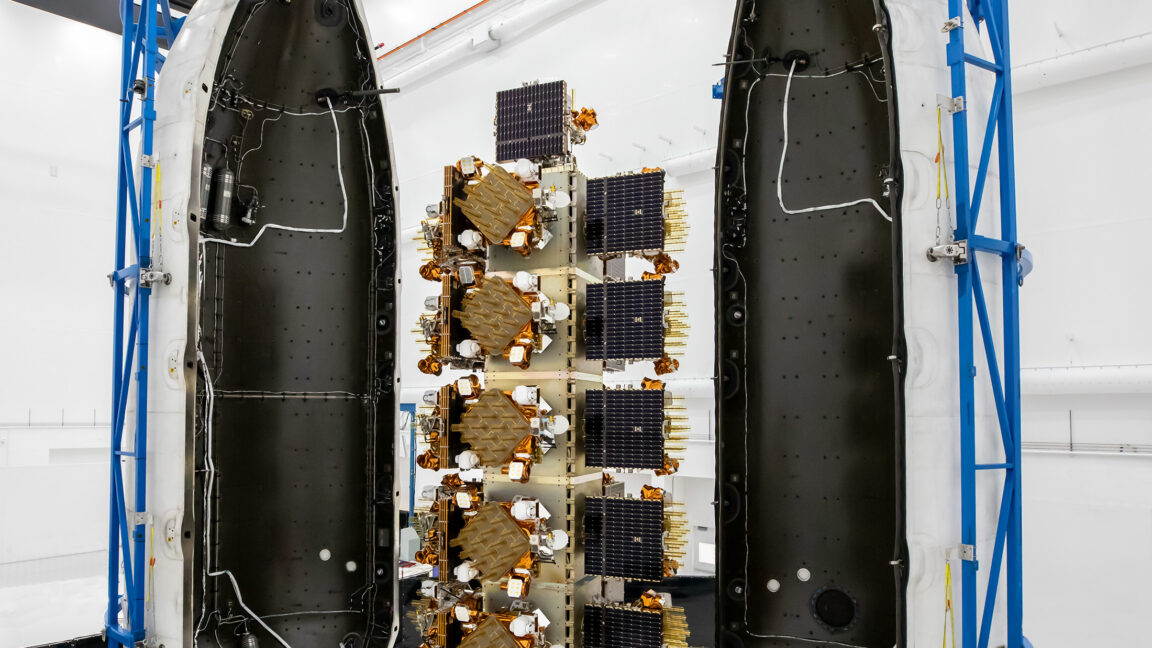
可重複使用火箭技術是未來太空 AI 基礎設施與全球連線的關鍵。
30 秒速覽
有什麼變化
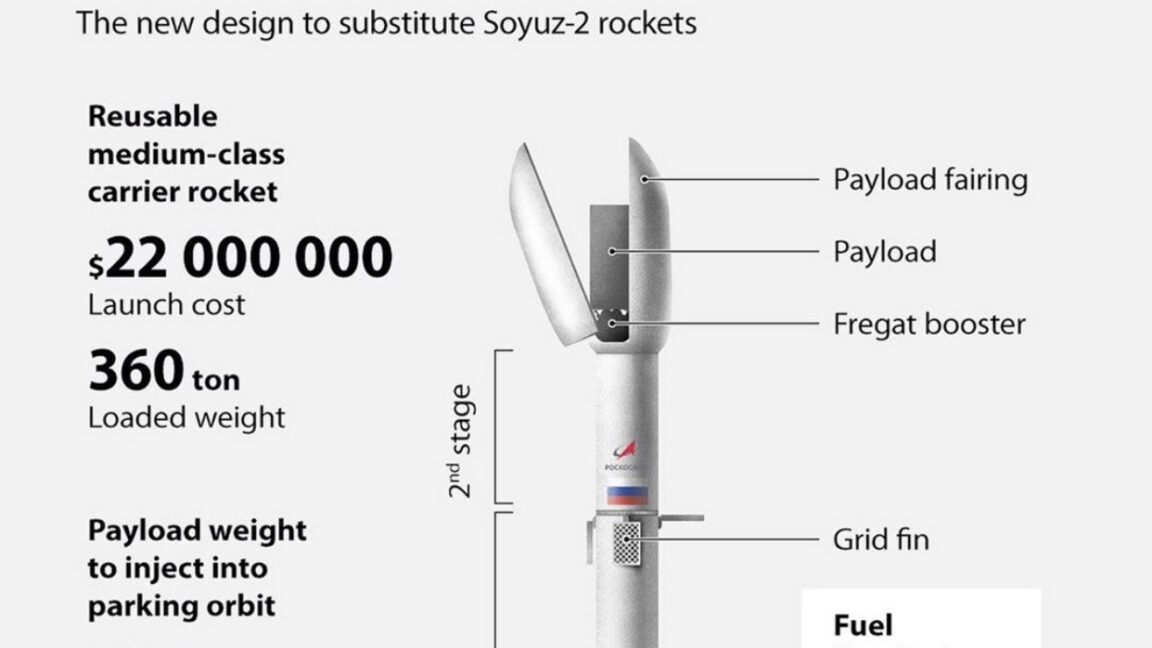
俄羅斯目標開發可重複使用火箭系統
為什麼重要
可重複使用運載火箭的發展對於降低太空基礎設施成本至關重要,這將直接影響衛星 AI 和邊緣運算部署。
下一步行動
密切關注 VTVL 控制系統的進展,因為這些自主著陸演算法與先進機器人和無人機導航高度相關。
誰應關注:Developers & AI Engineers
關鍵要點
- •俄羅斯目標開發可重複使用火箭系統
- •測試階段仿效 SpaceX 早期的 Grasshopper 試驗
- •初步飛行測試時間表目前定於 2028 年
深度解析
本篇為 AI 生成分析,非原文內容。
增強重點摘要
- •The program is reportedly being spearheaded by Roscosmos in collaboration with the Makeyev Rocket Design Bureau, shifting away from previous reliance on the Khrunichev Center for this specific architecture.
- •The vehicle, internally referred to as 'Amur-SPG' (or a derivative thereof), is designed to utilize liquefied natural gas (LNG) and liquid oxygen as propellants, mirroring the fuel choice of SpaceX's Starship rather than the RP-1 used by Falcon 9.
- •Russian engineers are focusing on a grid fin control system similar to SpaceX's design, though they are reportedly exploring alternative hydraulic-electric hybrid actuators to handle extreme thermal loads during atmospheric reentry.
- •The 2028 timeline follows significant budget restructuring within the Russian federal space program, which previously prioritized the development of the Angara launch vehicle family over reusable technologies.
- •Ground testing facilities at the Vostochny Cosmodrome are currently undergoing upgrades to accommodate vertical landing pad infrastructure, a prerequisite for the Grasshopper-style flight trials.
競品分析
Propellant
- Russia (Amur-SPG)
- LNG/LOX
- SpaceX (Falcon 9)
- RP-1/LOX
- Rocket Lab (Neutron)
- LNG/LOX
Reusability
- Russia (Amur-SPG)
- Vertical Landing
- SpaceX (Falcon 9)
- Vertical Landing
- Rocket Lab (Neutron)
- Vertical Landing
Status
- Russia (Amur-SPG)
- Development (2028)
- SpaceX (Falcon 9)
- Operational
- Rocket Lab (Neutron)
- Operational
Payload (LEO)
- Russia (Amur-SPG)
- ~10.5 Tons
- SpaceX (Falcon 9)
- ~22.8 Tons
- Rocket Lab (Neutron)
- ~13 Tons
| Feature | Russia (Amur-SPG) | SpaceX (Falcon 9) | Rocket Lab (Neutron) |
|---|---|---|---|
| Propellant | LNG/LOX | RP-1/LOX | LNG/LOX |
| Reusability | Vertical Landing | Vertical Landing | Vertical Landing |
| Status | Development (2028) | Operational | Operational |
| Payload (LEO) | ~10.5 Tons | ~22.8 Tons | ~13 Tons |
技術深入
- Propulsion: The vehicle utilizes a staged combustion cycle engine optimized for methane-based fuel to improve reusability by reducing soot accumulation in the engine bell.
- Landing Legs: Design specifications indicate a four-leg deployment system utilizing carbon-fiber reinforced polymers to minimize mass while maintaining structural integrity during high-velocity touchdown.
- Guidance: The system incorporates a proprietary inertial navigation unit integrated with real-time GNSS correction, designed to operate in high-interference environments.
- Thermal Protection: The base heat shield utilizes an ablative composite material, though researchers are testing reusable ceramic tiles for the engine section to extend the service life between flights.
前景展望基於引用來源的 AI 分析
Russia will struggle to achieve rapid turnaround times comparable to SpaceX.
The current infrastructure at Vostochny lacks the automated refurbishment facilities and high-cadence launch logistics necessary for rapid reuse.
The Amur-SPG program will face significant supply chain constraints.
Ongoing international sanctions restrict access to high-end radiation-hardened microelectronics and advanced composite manufacturing equipment required for modern reusable rockets.
時間線
2020-10
Roscosmos signs the initial design contract for the Amur-LNG reusable rocket.
2022-02
Development slows significantly following the onset of international sanctions impacting aerospace procurement.
2024-05
Roscosmos announces a strategic pivot to prioritize reusable methane-based launch systems.
2025-11
Successful static fire testing of the RD-0169 methane engine prototype.
- 2020-10Roscosmos signs the initial design contract for the Amur-LNG reusable rocket.
- 2022-02Development slows significantly following the onset of international sanctions impacting aerospace procurement.
- 2024-05Roscosmos announces a strategic pivot to prioritize reusable methane-based launch systems.
- 2025-11Successful static fire testing of the RD-0169 methane engine prototype.
AI 週報
閱讀本週精選 AI 大事摘要 →
AI 策展新聞聚合。所有內容版權歸原始發布者所有。
原始來源: Ars Technica ↗
每週電子報
每週一封,可隨時退訂。