來源虎嗅•較早收集於 6m
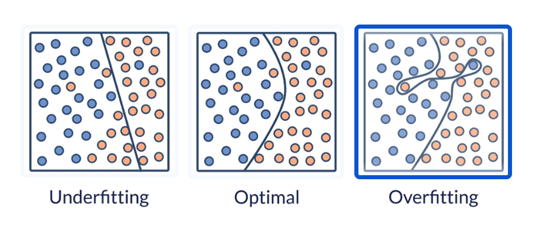
過擬合:解釋過去者預測未來總錯
#overfitting#generalization#quant-trading#cognitive-bias
💡掌握過擬合類比,提升AI模型與人類決策泛化能力。(28字)
⚡ 30 秒速覽
有什麼變化
過擬合將歷史噪音視為訊號,毀掉量化模型的未來預測。
為什麼重要
提升AI從業人員對泛化陷阱的理解,提升模型穩健性,不限金融領域。
下一步行動
在下一個ML策略中加入樣本外測試,以對抗過擬合。
誰應關注:Researchers & Academics
關鍵要點
- •過擬合將歷史噪音視為訊號,毀掉量化模型的未來預測。
- •人類認知將有限人生事件過擬合為僵化偏見,犧牲泛化能力。
- •量化用訓練/測試集分離;人類應隔離經驗並擁抱機率思維。
🧠 深度解析
本篇為 AI 生成分析,非原文內容。
🔑 增強重點摘要
- •The concept of 'narrative fallacy,' popularized by Nassim Taleb, serves as the cognitive psychological foundation for the article's thesis, explaining how humans impose logical structures on random historical data points.
- •In quantitative finance, the 'look-ahead bias' is a specific form of overfitting where models inadvertently incorporate information from the future (test set) into the training process, leading to inflated performance metrics.
- •Recent research in cognitive science suggests that 'Bayesian updating'—the process of adjusting beliefs based on new evidence—is frequently hindered by 'confirmation bias,' which acts as a regularization failure in the human brain.
🔮 前景展望基於引用來源的 AI 分析
AI-driven decision support systems will increasingly incorporate 'adversarial testing' to mitigate human cognitive overfitting.
By forcing users to interact with counter-factual scenarios, systems can break the rigid biases formed by limited historical experiences.
The adoption of 'ensemble forecasting' in corporate strategy will rise to reduce reliance on single-narrative expert opinions.
Aggregating diverse models and perspectives acts as a form of regularization, preventing the overfitting inherent in individual expert judgment.
📰
AI 週報
閱讀本週精選 AI 大事摘要 →
👉相關動態



AI 策展新聞聚合。所有內容版權歸原始發布者所有。
原始來源: 虎嗅 ↗
每週電子報
每週一封,可隨時退訂。