⚛️Ars Technica•較早收集於 2h
NASA 進行組織重組以減少官僚主義並提升效率
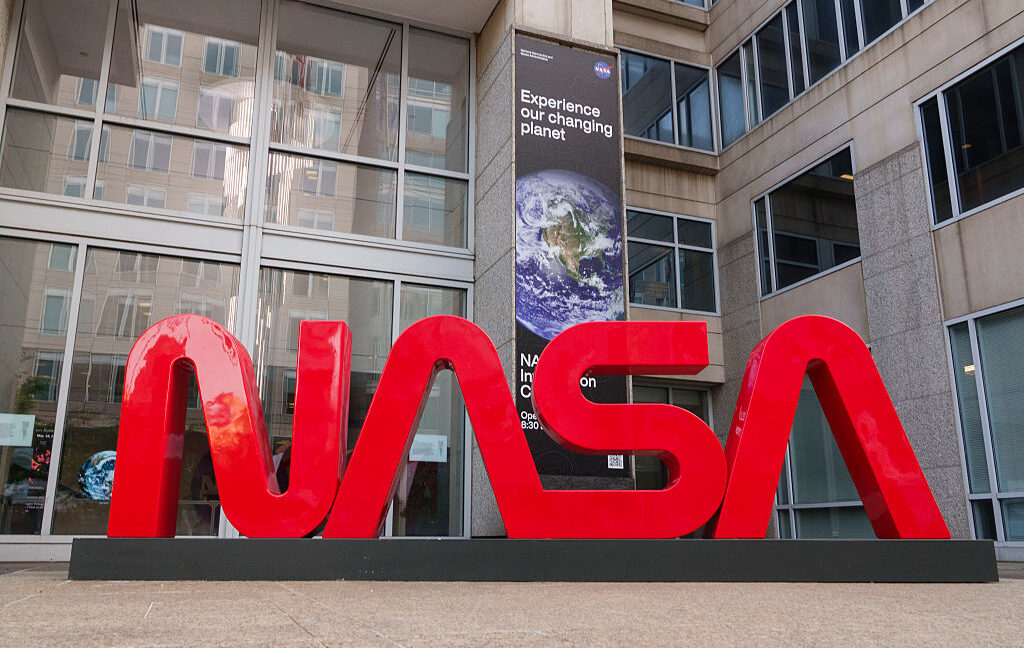
💡大型政府機構的組織變動通常預示著未來 AI 與機器人研究資金的走向。
⚡ 30-Second TL;DR
有什麼變化
重組旨在加速專案交付時程
為什麼重要
大型機構的組織變動通常會導致 AI 與機器人承包商在採購與研究資金優先級上的調整。
下一步行動
密切關注 NASA 更新後的採購指南,觀察重組後 AI 研究資金的優先級是否有變動。
誰應關注:Founders & Product Leaders
關鍵要點
- •重組旨在加速專案交付時程
- •將資源集中於高優先級的戰略目標
- •減少內部官僚主義以提升營運敏捷性
🧠 深度解析
Web-grounded analysis with 10 cited sources.
🔑 增強重點摘要
- •The reorganization unifies the Exploration Systems Development Mission Directorate and Space Operations Mission Directorate into a new Human Spaceflight Mission Directorate (HSMD) to streamline human spaceflight operations.
- •NASA is integrating the Aeronautics Research Mission Directorate and Space Technology Mission Directorate into a new Research and Technology Mission Directorate (RTMD), which will focus on aeronautics, space technology, and nuclear power and propulsion development.
- •A new workforce rotation program will allow NASA civil servants to undertake one- to two-year assignments in the private sector, with the option to transition to full-time commercial roles, aiming to bridge the gap between government and industry.
- •The agency is shifting its Artemis strategy, pausing the Lunar Gateway in favor of prioritizing a permanent outpost at the lunar South Pole, and plans to increasingly rely on commercial partners for future launch and landing contracts.
- •The reorganization is partly a response to the National Space Policy, which directs NASA to focus resources on accelerating the Artemis program, establishing a Moon Base, developing nuclear space reactors, and expanding science and discovery missions, amidst proposed budget cuts for FY2026 that could impact science and other areas.
🛠️ 技術深入
- The reorganization involves the consolidation of existing mission directorates into new structures: the Human Spaceflight Mission Directorate (HSMD) and the Research and Technology Mission Directorate (RTMD).
- The RTMD will specifically house a Space Reactor Office, indicating a dedicated focus on nuclear power and propulsion development.
- The revised Artemis strategy emphasizes the use of the Commercial Lunar Payload Services (CLPS) program for robotic missions to the Moon's South Pole, with a goal of achieving nearly monthly lunar landings by 2027.
- This accelerated lunar landing schedule is contingent on advancements in orbital propellant refueling, a capability currently being developed by commercial entities like SpaceX.
- The NASA Reauthorization Act of 2026 supports procuring commercial services for deep space crew and cargo and mandates the establishment of initial lunar outpost elements by December 31, 2030.
- The agency also plans to rebuild core competencies and insource contractor roles to civil servants where appropriate.
- A study on the development and application of AI in space science is also directed by the 2026 Reauthorization Act.
🔮 前景展望AI analysis grounded in cited sources
NASA will increasingly rely on commercial partners for mission execution, particularly for lunar operations.
The pivot from the Lunar Gateway to a Moon Base and the plan to bid out launch and landing contracts for Artemis VI and beyond, along with reliance on CLPS, indicates a significant shift towards commercial services.
The agency's focus will intensify on nuclear power and propulsion technologies.
The creation of the Research and Technology Mission Directorate (RTMD) with a dedicated Space Reactor Office, and the goal to launch the Space Reactor-1 Freedom to Mars by 2028, highlights a strategic emphasis on nuclear capabilities.
NASA's scientific research portfolio may face significant re-prioritization and potential reductions.
Proposed FY2027 budget cuts include a 17% reduction to the Science Mission Directorate, and the elimination of the Office of the Chief Scientist and the Office of Technology, Policy, and Strategy, suggesting a narrower focus for science.
⏳ 時間線
1958
NASA's formation with initial program offices.
1961
Office of Space Flight Development restructured as Office of Manned Space Flight.
1969-07
Apollo 11 Moon landing, followed by management changes as NASA transitioned from Apollo.
1984
Creation of the Office for Space Station.
2025-03-11
NASA begins phased workforce reduction, closing offices like the Office of Technology, Policy, and Strategy, and the Office of the Chief Scientist, in compliance with executive orders.
2025-05-02
White House releases FY2026 budget request proposing significant cuts to NASA, including phasing out SLS and Orion after Artemis III, and canceling Lunar Gateway and Mars Sample Return.
2026-02-04
NASA Reauthorization Act of 2026 favorably reported, enabling commercial deep space services and requiring a lunar outpost by 2030.
2026-03-26
NASA unveils initiatives to achieve National Space Policy, including launching Space Reactor-1 Freedom to Mars before end of 2028.
2026-05-21
NASA pivots Artemis strategy from Lunar Gateway to a permanent Moon Base, pausing Gateway, and introducing a workforce rotation program.
2026-05-22
NASA announces agency-wide realignment, unifying directorates into Human Spaceflight Mission Directorate (HSMD) and Research and Technology Mission Directorate (RTMD).
📎 來源 (10)
Factual claims are grounded in the sources below. Forward-looking analysis is AI-generated interpretation.
📰
AI 週報
閱讀本週精選 AI 大事摘要 →
👉相關動態

AI 策展新聞聚合。所有內容版權歸原始發布者所有。
原始來源: Ars Technica ↗