College lab error leads to deadly pathogen exposure
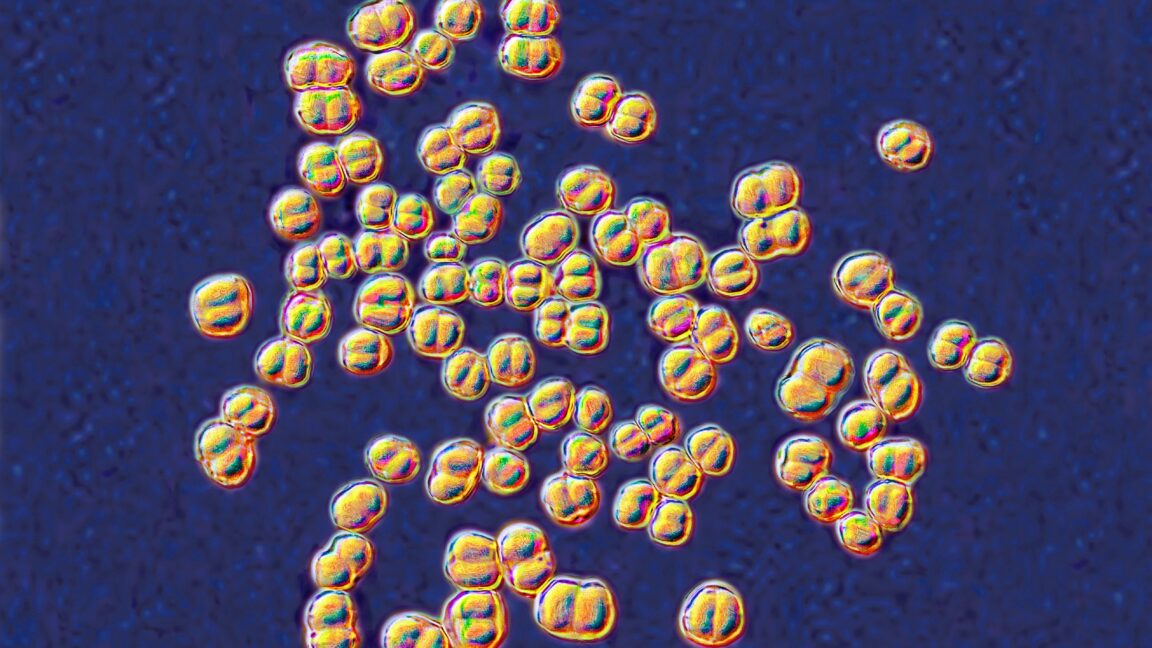
A cautionary tale on the risks of human error in classification tasks and the need for automated verification.
30-Second TL;DR
What Changed
32 students were exposed to a deadly pathogen during a lab exercise.
Why It Matters
This incident underscores the necessity of automated, AI-driven verification systems for laboratory specimen identification to prevent human error.
What To Do Next
Implement automated image recognition or sequence verification for all sensitive inputs in your data pipelines to prevent misclassification.
Key Points
- •32 students were exposed to a deadly pathogen during a lab exercise.
- •The incident occurred due to a misidentification of biological samples.
- •All affected students were placed on a course of antibiotics.
Deep Insight
AI-generated analysis for this event — not the original article.
Enhanced Key Takeaways
- •The incident involved the accidental distribution of Yersinia pestis, the causative agent of plague, which was mistakenly labeled as a non-pathogenic strain.
- •The laboratory exercise was intended to be a routine microbiology demonstration using a BSL-1 (Biosafety Level 1) organism, but the sample was sourced from a contaminated or mislabeled stock.
- •The university involved has suspended all microbiology laboratory activities pending a comprehensive review by the Centers for Disease Control and Prevention (CDC) and state health authorities.
- •Initial investigations suggest a failure in the university's internal chain of custody and verification protocols for biological materials purchased from third-party suppliers.
- •While all 32 students were placed on prophylactic antibiotics, none have exhibited symptoms of the plague, and the risk of secondary transmission is considered extremely low.
Technical Deep Dive
- The pathogen involved was Yersinia pestis, a Gram-negative, non-motile, rod-shaped coccobacillus.
- The misidentification occurred during the verification process of a bacterial culture intended for educational use, which should have been a BSL-1 surrogate.
- Standard laboratory protocols for BSL-1 organisms require minimal containment, whereas Yersinia pestis is classified as a Tier 1 Select Agent requiring BSL-3 containment and stringent security measures.
- The diagnostic failure highlights a lack of molecular verification (such as PCR or 16S rRNA sequencing) prior to the distribution of biological samples for student use.
Future ImplicationsAI analysis grounded in cited sources
Weekly AI Recap
Read this week's curated digest of top AI events →
AI-curated news aggregator. All content rights belong to original publishers.
Original source: Ars Technica ↗
This is a summary, not the original. Read the source, or get the weekly briefing.
The weekly digest
One email a week. Unsubscribe anytime.