來源Pandaily•較早收集於 60m
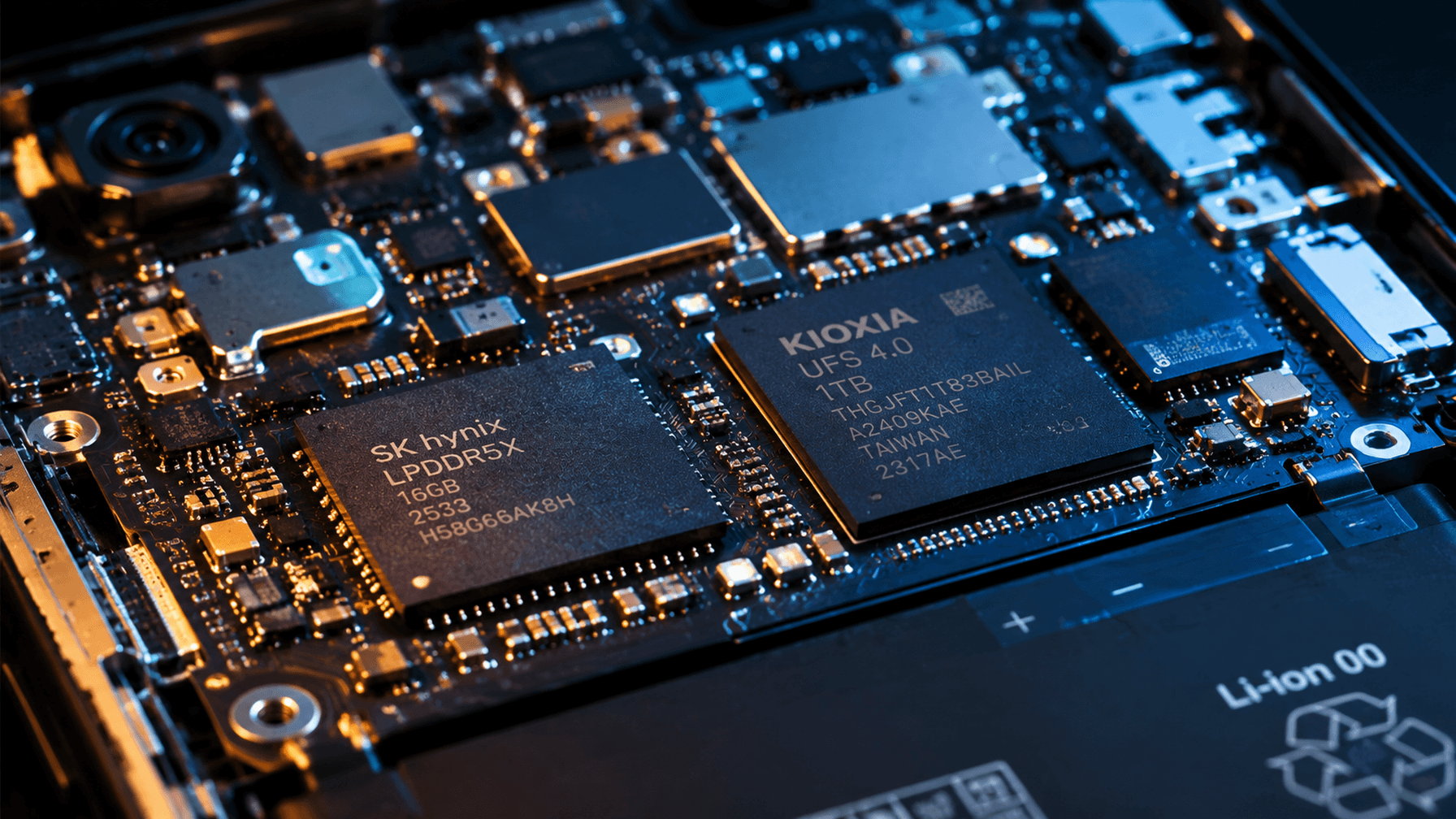
記憶體價格飆升迫使智慧型手機規格降級
#hardware-constraints#on-device-ai#memory-marketdram/nand-memoryxiaomidramnand
💡硬體記憶體限制成為裝置端 AI 的新瓶頸;了解如何針對較低 RAM 進行優化。
⚡ 30 秒速覽
有什麼變化
DRAM 與 NAND 記憶體價格正經歷顯著飆升。
為什麼重要
記憶體成本增加可能會減緩裝置端 AI 的普及,因為執行本地大型語言模型需要大量記憶體。開發人員應優化模型以降低記憶體佔用,以維持在預算型裝置上的效能。
下一步行動
使用 4-bit 或 8-bit 量化技術優化您的本地 LLM 推論管線,以確保與 6GB RAM 的限制相容。
誰應關注:Developers & AI Engineers
關鍵要點
- •DRAM 與 NAND 記憶體價格正經歷顯著飆升。
- •智慧型手機製造商正將入門級機型的記憶體從 12GB 降至 6GB。
- •小米雷軍預測價格漲勢可能持續兩年。
- •硬體成本增加正直接影響消費性裝置的規格。
🧠 深度解析
背景與延伸:來自公開資料,非原文內容。引用 29 個來源。
🔑 增強重點摘要
- •The primary driver behind the current memory price surge is the unprecedented demand from AI data centers for high-end memory, specifically High-Bandwidth Memory (HBM) and enterprise SSDs, which are consuming a significant portion of global memory supply.
- •Memory manufacturers are strategically reallocating their production capacity from conventional consumer-grade DRAM and NAND to these higher-margin AI-centric products, leading to a structural shortage for devices like smartphones and PCs.
- •The price increases have been substantial, with DRAM contract prices rising by 55-95% quarter-over-quarter (QoQ) and NAND flash prices jumping by 33-75% QoQ in Q1 and Q2 2026, marking an unprecedented convergence of record highs across all memory categories.
- •This memory market has entered a multi-year 'supercycle' driven by AI, with industry analysts and memory vendors predicting that shortages and elevated prices will persist through at least 2027 and potentially into 2028.
- •The impact of rising memory costs extends beyond just RAM configurations, forcing budget smartphone makers to also revert to older display technologies like 1080p LCD panels and notch designs, and increasing the overall Bill of Materials (BOM) costs for all smartphone segments.
🛠️ 技術深入
- DRAM (Dynamic Random Access Memory) cells are fundamental units of data storage, each comprising a transistor and a capacitor, manufactured through intricate processes requiring nanometer-scale precision.
- NAND flash memory utilizes 3D structures (e.g., 3D NAND) and Triple-Level Cell (TLC) technology to achieve higher storage density and a lower cost per bit, with 3D structures expected to account for 69.8% of the market in 2026.
- High-Bandwidth Memory (HBM) is a specialized form of DRAM designed for high-performance computing and AI accelerators, consuming approximately three times more wafer area per gigabyte compared to standard DRAM, and requiring advanced packaging.
- The shift in manufacturing capacity towards HBM directly reduces the available wafer capacity for conventional DRAM used in consumer devices.
- DDR5 is experiencing widespread adoption, and high-capacity RDIMMs are a primary procurement target for North American cloud service providers deploying AI inference infrastructure.
🔮 前景展望基於引用來源的 AI 分析
Smartphone prices will continue to rise, and specifications will stagnate or regress for at least the next two years.
Industry leaders and analysts predict the memory supercycle to last until 2027-2028, with manufacturers passing increased costs to consumers and downgrading specs to maintain price points, potentially leading to 4GB RAM in budget phones by late 2026.
The memory market will remain an 'allocation-driven' market, with hyperscalers and AI companies continuing to prioritize supply.
AI data centers consume a disproportionate share of high-end memory, leading manufacturers to prioritize these high-margin customers over consumer electronics, making memory a strategic allocation item rather than a commodity.
Innovation and advancement in consumer-grade memory for smartphones and PCs will slow down.
With memory manufacturers focusing R&D and production capacity on high-margin AI memory (HBM, server DRAM), less investment and capacity will be available for advancing conventional DRAM and NAND technologies for consumer devices.
⏳ 時間線
2024
Smartphone manufacturers aggressively destock inventory.
2025-01
DDR4, DDR5, and NAND prices begin compounded increases, with some segments exceeding 200% by year-end.
2025-10
Xiaomi founder Lei Jun publicly expresses concern about rising memory chip prices on social media.
2025-11
NAND wafer contract prices for certain categories jump over 60% in a single month; SanDisk raises NAND flash contract prices by approximately 50%.
2026-01
NAND Flash contract prices surge approximately 65% month over month, setting a record high, with suppliers warning about allocation limits.
2026-03
DRAM contract prices increase by over 50% QoQ and NAND Flash prices jump by over 90% QoQ in Q1 2026, significantly impacting smartphone BOM costs.
2026-04
Samsung, SK Hynix, and Micron launch a second wave of coordinated NAND price hikes with no sign of quick reversal.
2026-05
Xiaomi's Lei Jun reiterates that memory price increases are 'crazy' and will continue for at least two more years, advising consumers to buy phones sooner.
📎 來源 (29)
Factual claims are grounded in the sources below. Forward-looking analysis is AI-generated interpretation.
- avnet.com
- ampheo.com
- gotraka.com
- weareconker.com
- greennode.ai
- idc.com
- hbs.net
- unibetter-ic.com
- biggo.com
- suntsu.com
- techyultra.com
- fool.com
- pandaily.com
- elinfor.com
- nand-research.com
- informa.com
- counterpointresearch.com
- counterpointresearch.com
- versalogic.com
- medium.com
- medium.com
- 36kr.com
- thermofisher.com
- coherentmarketinsights.com
- sourceability.com
- smc-cloud.com
- androidauthority.com
- techradar.com
- latestly.com
📰
AI 週報
閱讀本週精選 AI 大事摘要 →
👉相關動態

AI 策展新聞聚合。所有內容版權歸原始發布者所有。
原始來源: Pandaily ↗
每週電子報
每週一封,可隨時退訂。