來源較早收集於 28m

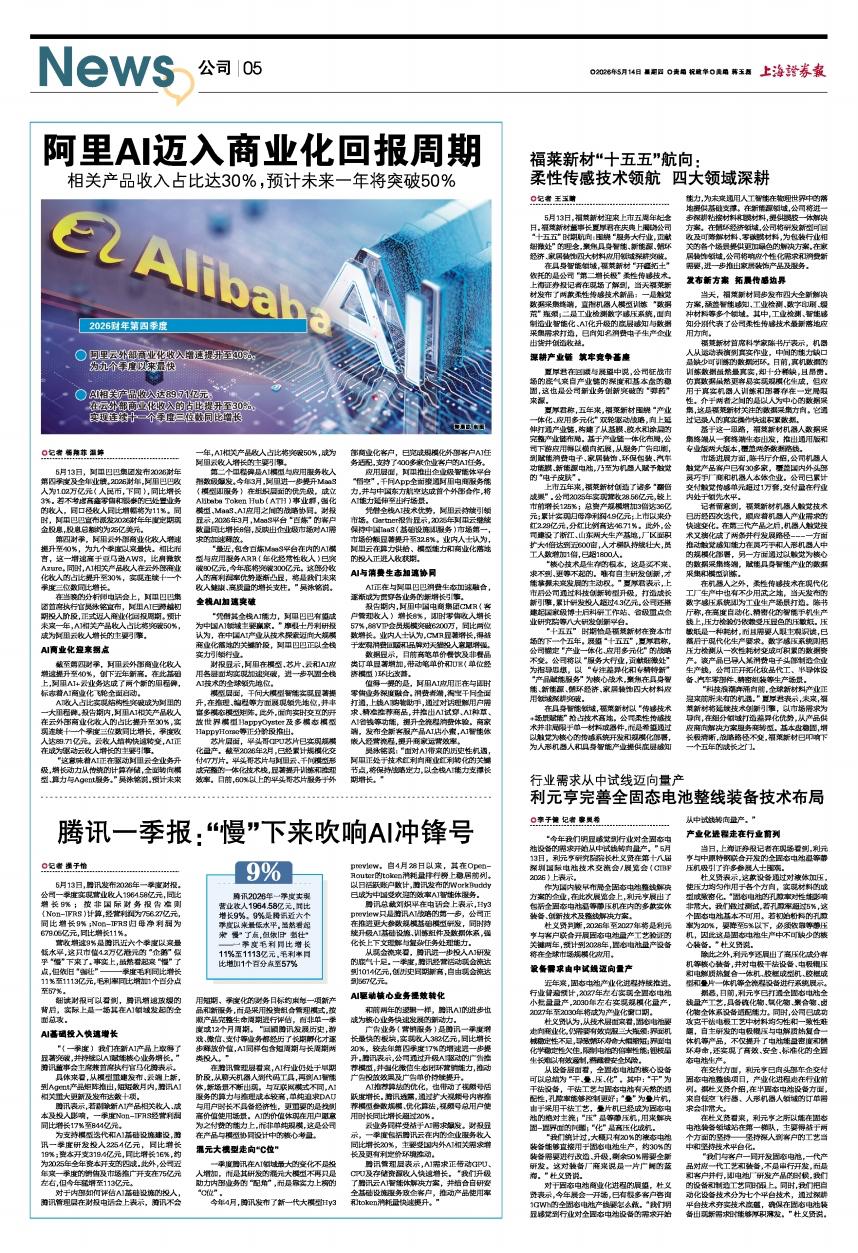
阿里巴巴與字節跳動在AI基礎設施領域的激烈對決

閱讀原文: 钛媒体
#ai-infrastructure#cloud-computing#business-strategy

看看科技巨頭如何燒錢以維持其在AI基礎設施領域的統治地位。

30 秒速覽

有什麼變化

阿里巴巴利用雲端現金流支持全棧AI基礎設施

為什麼重要

這些科技巨頭激進的資本支出,凸顯了在當前競爭格局下擴展基礎模型的極高成本。

下一步行動

分析阿里巴巴與字節跳動的基礎設施策略,以優化您自身的模型部署成本。

誰應關注:Founders & Product Leaders

關鍵要點

  • 阿里巴巴利用雲端現金流支持全棧AI基礎設施
  • 字節跳動依賴廣告收入覆蓋豆包大模型成本
  • 兩家公司因高額AI資本支出導致淨利潤承壓

深度解析

本篇為 AI 生成分析,非原文內容。

增強重點摘要

  • Alibaba has aggressively lowered API prices for its Qwen series models by up to 97% since mid-2024 to capture market share from startups and smaller enterprises.
  • ByteDance's Doubao has rapidly scaled to become one of China's most-used AI applications, leveraging its integration into the TikTok/Douyin ecosystem to achieve massive user acquisition costs (CAC) efficiency.
  • Both companies are facing severe GPU supply constraints due to U.S. export controls, forcing them to invest heavily in domestic chip alternatives and custom interconnect technologies.
  • Alibaba is prioritizing the 'Model-as-a-Service' (MaaS) strategy on its cloud platform, aiming to lock in developers by offering a comprehensive suite of open-source and proprietary Qwen models.
  • ByteDance has shifted its internal R&D focus toward multi-modal capabilities, specifically optimizing its infrastructure for real-time video generation and interactive AI agents.

競品分析

Primary Revenue Model
Alibaba (Qwen/Cloud)
Cloud Infrastructure/MaaS
ByteDance (Doubao)
Advertising/Consumer Apps
Baidu (Ernie)
Search/Enterprise Cloud
Model Strategy
Alibaba (Qwen/Cloud)
Open-weights & Proprietary
ByteDance (Doubao)
Proprietary/Closed-source
Baidu (Ernie)
Proprietary/Closed-source
Pricing Strategy
Alibaba (Qwen/Cloud)
Aggressive API price cuts
ByteDance (Doubao)
High-volume, low-cost API
Baidu (Ernie)
Tiered enterprise pricing
Key Strength
Alibaba (Qwen/Cloud)
Full-stack cloud integration
ByteDance (Doubao)
Massive consumer traffic
Baidu (Ernie)
Established enterprise ecosystem

技術深入

  • Alibaba's Qwen-Max and Qwen-2.5 architectures utilize a Mixture-of-Experts (MoE) approach to optimize inference latency and reduce compute overhead for cloud customers.
  • ByteDance employs a proprietary distributed training framework designed to handle massive parallelization across heterogeneous GPU clusters, mitigating the impact of hardware fragmentation.
  • Both firms are heavily utilizing RDMA (Remote Direct Memory Access) over Converged Ethernet (RoCE) to scale their AI clusters beyond the limitations of traditional networking.
  • ByteDance's Doubao infrastructure incorporates a specialized 'inference-on-the-fly' engine that prioritizes low-latency token generation for mobile user interactions.

前景展望基於引用來源的 AI 分析

Consolidation of China's AI model market will accelerate by 2027.
The extreme capital expenditure required to maintain competitive AI infrastructure will likely force smaller players to exit, leaving only the largest tech conglomerates.
Domestic chip adoption will become a primary performance differentiator.
As U.S. export restrictions tighten, the ability to optimize software stacks for domestic AI accelerators will determine long-term infrastructure sustainability.

時間線

2023-08
Alibaba releases Qwen-7B, marking its formal entry into the open-source LLM ecosystem.
2024-05
ByteDance officially launches the Doubao AI chatbot app to the public.
2024-05
Alibaba Cloud announces massive price cuts for its core Qwen models to stimulate developer adoption.
2025-02
ByteDance reports significant infrastructure scaling to support the integration of AI agents across its short-video platforms.
2026-01
Alibaba integrates advanced reasoning capabilities into its cloud-based AI development platform.

AI 週報

閱讀本週精選 AI 大事摘要 →

AI 策展新聞聚合。所有內容版權歸原始發布者所有。
原始來源: 钛媒体

這是摘要,不是原文。去看原站,或訂閱每週簡報。

每週電子報

每週一封,可隨時退訂。