Zhaoxin Claims Autonomous x86 Technology
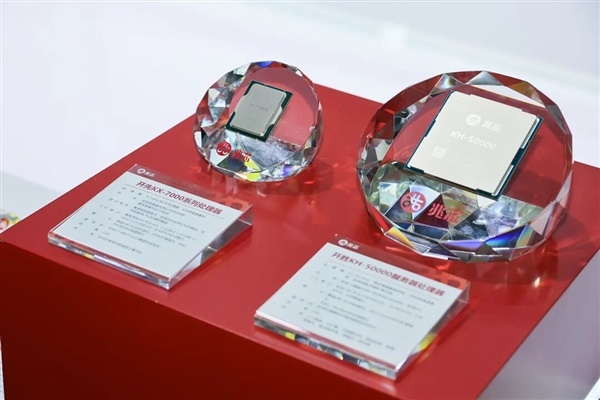
💡A claimed autonomous x86 stack could change hardware options for China-based AI infrastructure teams.
⚡ 30-Second TL;DR
What Changed
Zhaoxin says it holds 1,461 relevant patents.
Why It Matters
A more self-controlled x86 supply chain could give Chinese enterprises additional options for AI servers, edge systems, and domestic data centers. Actual impact will depend on independent verification of compatibility, performance, software support, and the scope of the claimed intellectual-property rights.
What To Do Next
If evaluating Zhaoxin hardware for AI workloads, run your key PyTorch or ONNX Runtime models and verify compiler, driver, and x86 binary compatibility before deployment.
Key Points
- •Zhaoxin says it holds 1,461 relevant patents.
- •The ZX86 architecture is described as a deeply self-developed implementation based on x86 rather than simple compatibility.
- •Zhaoxin claims full access to the source code of x86 processors.
- •The company aims to support traditional x86 instruction compatibility without relying on overseas licensing.
🧠 Deep Insight
AI-generated analysis for this event.
🔑 Enhanced Key Takeaways
- •Zhaoxin is a joint venture between VIA Technologies and the Shanghai SASAC, which has historically relied on VIA's x86 license to operate.
- •The claim of 'autonomous' x86 technology suggests a transition from a licensed IP model to an independent implementation, potentially bypassing the need for future VIA-mediated licensing renewals.
- •Zhaoxin processors have historically utilized the Centaur Technology-derived microarchitecture, which was acquired by Intel in 2021, complicating the legal landscape for Zhaoxin's future IP development.
- •The company has been aggressively targeting the Chinese government and state-owned enterprise (SOE) markets to replace foreign-made CPUs in critical infrastructure.
- •Zhaoxin's recent architectural iterations have focused on integrating advanced I/O standards like PCIe 4.0 and DDR5 memory support to close the performance gap with mainstream x86 offerings.
📊 Competitor Analysis▸ Show
| Feature | Zhaoxin (ZX86) | Intel (Core) | AMD (Ryzen) |
|---|---|---|---|
| Architecture | Autonomous x86 | x86-64 | x86-64 |
| Licensing | Independent/Legacy | Owner | Owner |
| Target Market | Chinese SOE/Gov | Global Consumer/Ent | Global Consumer/Ent |
| Performance | Mid-range (Legacy) | High-end | High-end |
🛠️ Technical Deep Dive
- The ZX86 architecture utilizes a proprietary pipeline design that maintains binary compatibility with x86-64 instructions while implementing custom branch prediction and execution units.
- Implementation includes a self-developed memory controller supporting multi-channel DDR5 configurations to mitigate bandwidth bottlenecks.
- The design incorporates a hardware-level security module (Root of Trust) specifically tailored for Chinese cryptographic standards (SM2/SM3/SM4).
- The SoC integration features an autonomous GPU core capable of supporting DirectX 12 and OpenCL, reducing reliance on third-party discrete graphics for standard office workloads.
🔮 Future ImplicationsAI analysis grounded in cited sources
⏳ Timeline
Weekly AI Recap
Read this week's curated digest of top AI events →
👉Related Updates


AI-curated news aggregator. All content rights belong to original publishers.
Original source: cnBeta (Full RSS) ↗