Zebra Zhixing's AI Pivot in Second IPO
💡Auto AI leader's IPO reveals pivot data: AI rev +22% despite losses, 9.4M cars shipped
⚡ 30-Second TL;DR
What Changed
Cumulative 9.4M vehicles equipped across 69 OEMs, leading China by revenue and installs.
Why It Matters
Signals automotive AI consolidation; OEM self-research pressures suppliers like Zebra to innovate faster. IPO success could fund AI expansion amid Huawei competition.
What To Do Next
Evaluate Yuan Shen AI integration for smart cockpit prototypes using their SDK docs.
Key Points
- •Cumulative 9.4M vehicles equipped across 69 OEMs, leading China by revenue and installs.
- •Strategic shift to AI full-stack solutions; 'Yuan Shen AI' deployed in IM Motors, Roewe.
- •2025 losses from 18.41B RMB asset impairment, but AI revenue up 22%, platform services up 84%.
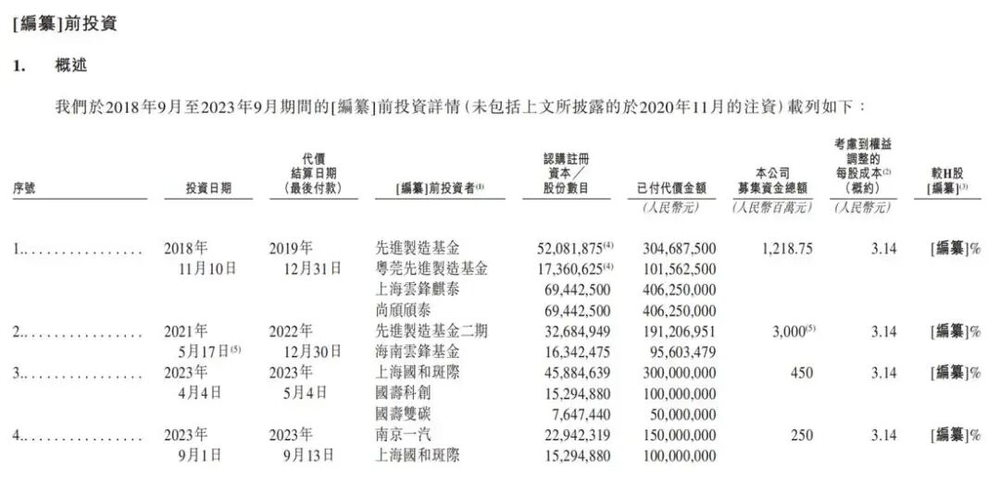
- •IPO pre: Alibaba 41.67% stake, SAIC 32.90%; moving toward independent operations.
🧠 Deep Insight
AI-generated analysis for this event — not the original article.
🔑 Enhanced Key Takeaways
- •Zebra Zhixing's pivot follows a significant restructuring of its relationship with Alibaba's YunOS, transitioning from a pure OS provider to a modularized AI-software-as-a-service (SaaS) model to combat the trend of OEMs building proprietary in-house software stacks.
- •The 18.41 billion RMB asset impairment in 2025 is largely attributed to the write-down of legacy hardware-integrated software assets as the company shifts focus toward the 'Yuan Shen' AI model, which decouples software from specific hardware configurations.
- •The company has secured strategic partnerships with international Tier-1 suppliers to integrate its AI cockpit middleware into global vehicle platforms, aiming to reduce reliance on domestic-only OEM contracts.
📊 Competitor Analysis▸ Show
| Feature | Zebra Zhixing (Yuan Shen) | Huawei (HarmonyOS Cockpit) | Tencent (TAI) | Baidu (Apollo) |
|---|---|---|---|---|
| Core Focus | AI Middleware/Cockpit | Full-stack OS/Hardware | Cloud/Content Ecosystem | Autonomous Driving/AI |
| OEM Strategy | Modular/Open | Deep Integration/Hardware | Service-oriented | Platform/Open Source |
| Market Position | High (Legacy Install Base) | High (Growth/Tech) | Mid (Content/Services) | Mid (AI/AD focus) |
🛠️ Technical Deep Dive
- •Yuan Shen AI Architecture: Utilizes a multi-modal large language model (LLM) optimized for edge computing within the vehicle's cockpit domain controller (DCU).
- •Middleware Layer: Employs a 'decoupled' architecture that separates the HMI (Human-Machine Interface) from the underlying vehicle control bus, allowing for OTA updates without re-certifying the entire vehicle software stack.
- •Data Processing: Implements a federated learning framework to train AI models on user interaction data while maintaining data privacy compliance, specifically targeting personalized voice and cabin environment adjustments.
- •Hardware Abstraction: Supports heterogeneous computing platforms, including Qualcomm Snapdragon Ride and NVIDIA Orin, via a unified abstraction layer.
🔮 Future ImplicationsAI analysis grounded in cited sources
⏳ Timeline
Weekly AI Recap
Read this week's curated digest of top AI events →
👉Related Updates


AI-curated news aggregator. All content rights belong to original publishers.
Original source: 虎嗅 ↗
This is a summary, not the original. Read the source, or get the weekly briefing.
Weekly AI briefing
One email a week. Unsubscribe anytime.