YouTube Playlists Can Now Become Structured TV Shows
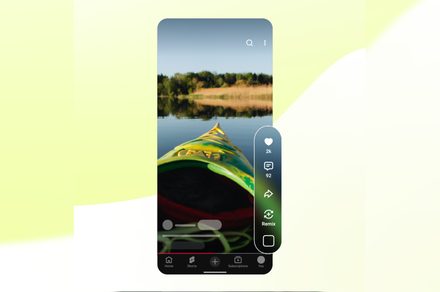
💡Learn how YouTube's new structured series feature can optimize content discovery and viewer retention.
⚡ 30-Second TL;DR
What Changed
Creators can group videos into seasons and episodes
Why It Matters
This shift helps creators build binge-worthy content architectures, potentially increasing watch time and platform retention.
What To Do Next
If you are a creator, audit your existing high-performing playlists and reformat them into the new series structure to boost discovery.
Key Points
- •Creators can group videos into seasons and episodes
- •Playlists are converted into structured series formats
- •Enables 'Continue Watching' placement for better engagement
🧠 Deep Insight
AI-generated analysis for this event — not the original article.
🔑 Enhanced Key Takeaways
- •The feature utilizes a new metadata schema that allows creators to define 'Episode Number' and 'Season Number' tags, which are indexed by YouTube's recommendation algorithm to improve binge-watching signals.
- •YouTube has integrated this structured data into the YouTube TV app interface, providing a dedicated 'Shows' tab that mimics traditional linear television program guides.
- •Creators gain access to a new 'Series Analytics' dashboard that tracks completion rates per episode and drop-off points specifically within the context of a season structure.
- •The 'Continue Watching' functionality is powered by a cross-device synchronization protocol that tracks playback progress at the frame level, ensuring seamless transitions between mobile, desktop, and living room devices.
- •Monetization eligibility for these structured shows includes a new 'Series Ad Break' format, which allows creators to place mid-roll ads at specific narrative beats defined during the upload process.
📊 Competitor Analysis▸ Show
| Feature | YouTube Shows | Netflix | Hulu | Disney+ |
|---|---|---|---|---|
| Content Structure | Creator-led Seasons/Episodes | Studio-produced Seasons | Studio-produced Seasons | Studio-produced Seasons |
| Monetization | Ad-supported/Premium | Subscription | Ad-supported/Premium | Subscription |
| User Navigation | Algorithmic/Playlist-based | Curated/Library-based | Curated/Library-based | Curated/Library-based |
| Continue Watching | Cross-device Sync | Cross-device Sync | Cross-device Sync | Cross-device Sync |
🛠️ Technical Deep Dive
- Implementation relies on the YouTube Data API v3, specifically updated endpoints for playlist resource types that now accept season and episode index parameters.
- The backend utilizes a graph-based relationship model to link individual video IDs into a parent Series ID, facilitating hierarchical content discovery.
- Playback state synchronization is handled via a low-latency Redis-backed cache that stores timestamp offsets associated with the user's account ID and the specific Series/Episode ID.
- Frontend rendering for the 'Shows' interface uses a modular component architecture that dynamically adjusts layout based on the aspect ratio of the device, prioritizing the 'Next Episode' auto-play trigger.
🔮 Future ImplicationsAI analysis grounded in cited sources
⏳ Timeline
Weekly AI Recap
Read this week's curated digest of top AI events →
👉Related Updates
AI-curated news aggregator. All content rights belong to original publishers.
Original source: Digital Trends ↗
This is a summary, not the original. Read the source, or get the weekly briefing.
The weekly digest
One email a week. Unsubscribe anytime.