Yangmei market crisis exposes supply chain trust issues
Learn how direct-to-consumer models and supply chain transparency are mitigating market volatility in agriculture.
30-Second TL;DR
What Changed
Traditional long-chain fruit distribution models are suffering from severe price drops due to quality scandals.
Why It Matters
The crisis highlights the fragility of opaque supply chains and the growing necessity for traceability in perishable goods, a trend relevant to AI-driven supply chain transparency solutions.
What To Do Next
Evaluate how blockchain or AI-based traceability tools can be integrated into your supply chain to build consumer trust.
Key Points
- •Traditional long-chain fruit distribution models are suffering from severe price drops due to quality scandals.
- •Direct-to-consumer cold chain models are successfully bypassing intermediaries to maintain premium pricing.
- •Consumer trust is becoming the primary differentiator in agricultural product markets.
Deep Insight
Background and context from public sources — not the original article. 15 sources cited.
Enhanced Key Takeaways
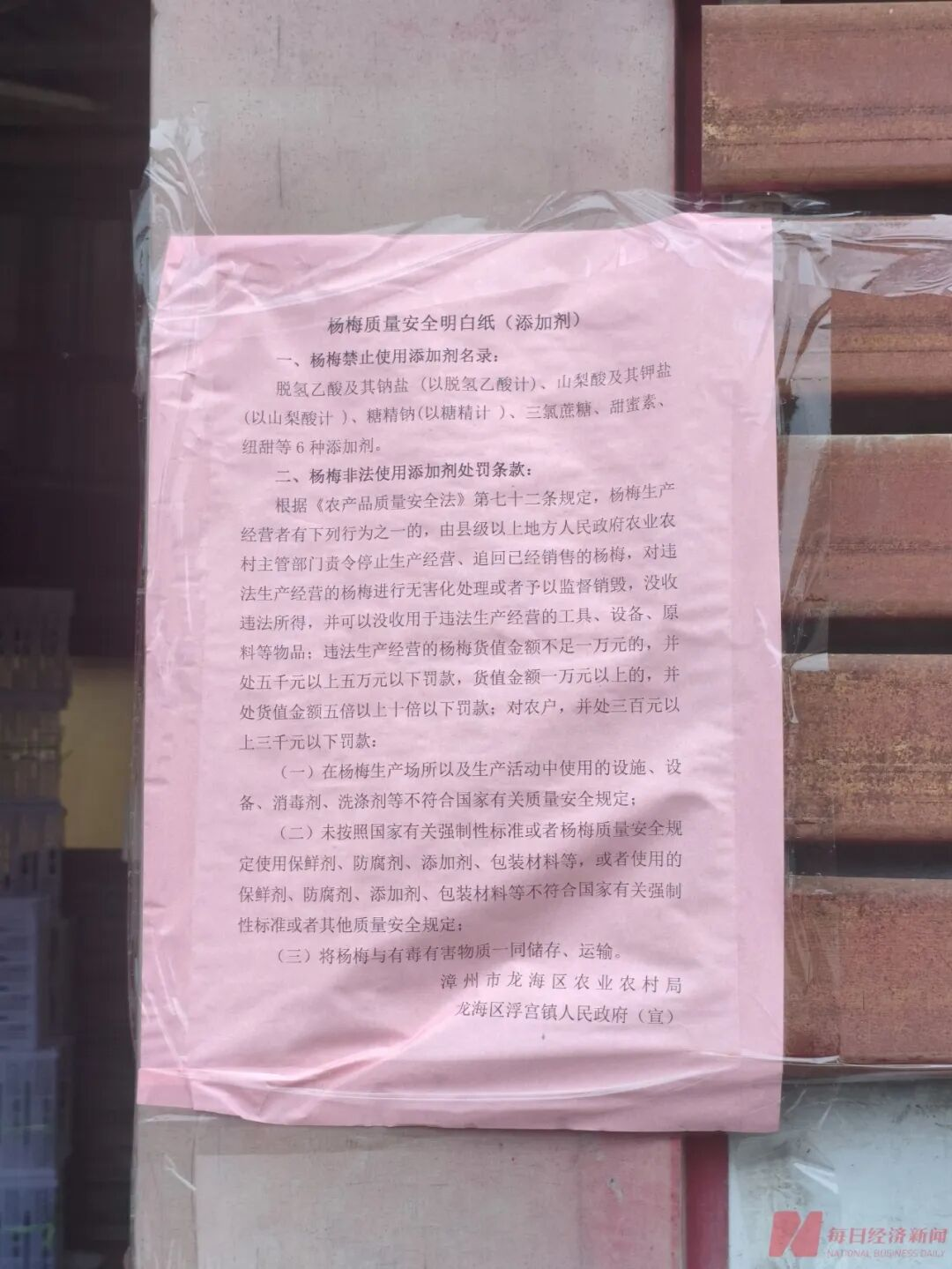
- •The food safety scandal in Longhai District, Zhangzhou, Fujian, specifically involved bayberry collection points illegally soaking fresh Yangmei in sodium dehydroacetate, a preservative banned for fresh fruit, and an unlicensed high-intensity sweetener reportedly 8,000 times sweeter than sucrose.
- •The illicit practice was an 'open secret' within the distribution chain, with handlers reportedly setting aside untreated fruit for inspections and workers admitting they would not consume the chemically enhanced bayberries themselves.
- •The crisis has severely damaged the reputation of 'Fugong Bayberries' as a geographical indication brand, resulting in substantial financial losses for legitimate merchants and the removal of Fujian bayberries from major wholesale markets across East China.
- •In response to the scandal, Zhangzhou authorities criminally detained five individuals, confiscated 20.1 kilograms of illegal additives, and destroyed 540 kilograms of tainted bayberries, while also launching a 45-day intensive food safety campaign.
- •The incident underscores a persistent challenge in China's agricultural sector, where widespread consumer distrust in domestic food safety, fueled by a history of contamination and illegal additive use, is driving demand for more transparent and directly sourced supply chains.
Future ImplicationsAI analysis grounded in cited sources
Timeline
- 2009China's Food Safety Law replaces the Food Hygiene Law, aiming to strengthen food safety regulation.
- 2015China's Food Safety Law is amended, further enhancing regulatory frameworks.
- 2018Another amendment to China's Food Safety Law is enacted, continuing efforts to improve oversight.
- 2025-05China's State Council Food Safety Commission unveils the 'Comprehensive Governance Plan for the Abuse of Food Additives' to tighten oversight across the supply chain.
- 2026-05-15Media reports expose the illegal use of chemical additives at Yangmei collection points in Longhai District, Zhangzhou, Fujian.
- 2026-05-21Authorities destroy 540 kilograms of tainted bayberries, detain five suspects, and confiscate 20.1 kilograms of illicit additives in response to the scandal.
Sources (15)
Factual claims are grounded in the sources below. Forward-looking analysis is AI-generated interpretation.
Weekly AI Recap
Read this week's curated digest of top AI events →
AI-curated news aggregator. All content rights belong to original publishers.
Original source: 虎嗅 ↗
This is a summary, not the original. Read the source, or get the weekly briefing.
The weekly digest
One email a week. Unsubscribe anytime.