XPeng X9 EV MPV Launches March 2
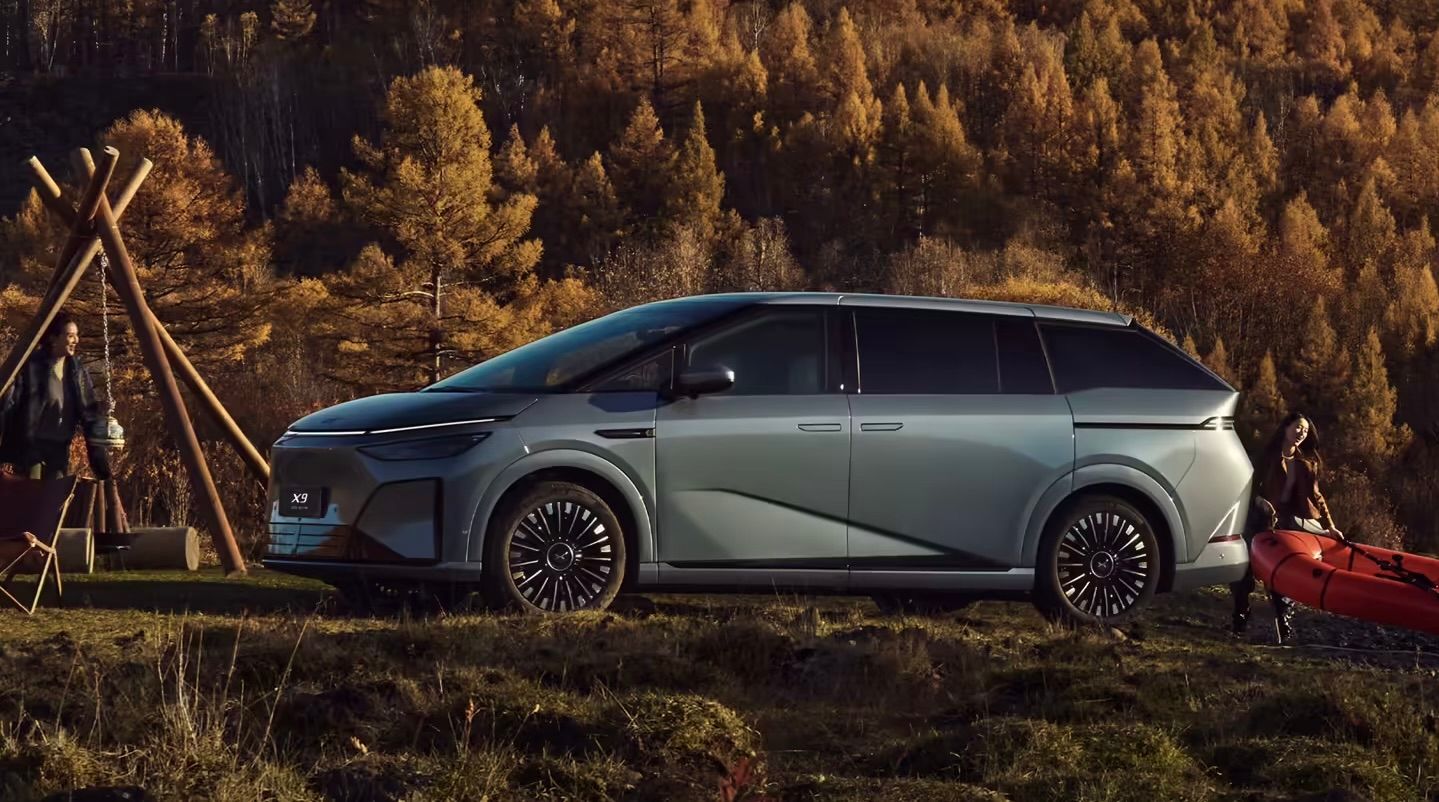
💡Longest-range 7-seater EV w/ AI driving launches Mar 2—key for auto AI advances
⚡ 30-Second TL;DR
What Changed
Launch date set for March 2, 2026 model year
Why It Matters
Pushes EV boundaries for family vehicles with superior range and AI features, intensifying competition in autonomous MPVs. Appeals to consumers seeking high-performance electric transport.
What To Do Next
Review XPeng's X9 specs for AI-powered driving benchmarks before the March 2 launch.
Key Points
- •Launch date set for March 2, 2026 model year
- •World's longest-range seven-seater all-electric MPV
- •Features AI-powered driving capabilities
- •Includes ultra-fast charging and winter performance
🧠 Deep Insight
Background and context from public sources — not the original article. 8 sources cited.
🔑 Enhanced Key Takeaways
- •The X9 features dual NVIDIA DRIVE Orin chipsets with 508 TOPS of computing power for advanced autonomous driving capabilities, supporting both highway and urban autonomous scenarios through the XNGP system[6].
- •Battery technology includes an 800V silicon-carbide architecture enabling 330kW maximum charging capacity, with the ability to add 330km of range in just 10 minutes of charging[4].
- •The vehicle achieves 46,000 N·m/deg torsional rigidity with an 87% high-strength steel-aluminum body and 2000 MPa cage structure, meeting 2026 E-NCAP and 2024 C-NCAP five-star safety standards[3].
🛠️ Technical Deep Dive
Powertrain & Performance:
- Dual-motor all-wheel drive configuration with rear-mounted electric motor producing 210 kW and 465 N·m of torque[5]
- 0-100 km/h acceleration in 7.7 seconds; top speed electronically capped at 200 km/h[2]
- Active Rear-Wheel Steering system for enhanced maneuverability[2]
Battery & Charging:
- Battery capacity options: 94.8 kWh (5C charging) and 105 kWh (3C charging)[6]
- 800V high-voltage silicon-carbide platform with 330kW DC charging capability[2][4]
- Vehicle-To-Load (V2L) function supporting 3.3 kW external appliance charging[2]
- Maximum configurable range of 740 kilometers[6]
Autonomous Driving:
- XPILOT system: Single Nvidia Orin X chip (254 TOPS), 3 mmWave radars, 11 cameras, 12 ultrasonic sensors for highway autonomous driving[6]
- XNGP system (higher trims): Two 126-line Robosense LiDAR sensors, dual Nvidia Orin X chips (508 TOPS total) for urban and highway autonomous scenarios[6]
Chassis & Suspension:
- Intelligent dual-chamber air suspension with 90mm maximum adjustable range[4]
- Millisecond-level adaptive adjustments with chassis pre-scanning capability[4]
- Front double-wishbone and rear H-arm all-aluminum independent suspension[3]
Interior & Cockpit:
- 17.3-inch central display and 10.25-inch instrument panel[3]
- Qualcomm Snapdragon SA8295P Intelligent Cockpit Chip[4]
- Tianji OS 5.6.0 system with continuous multi-command voice interaction[3]
- 23-speaker Xopera sound system[8]
Safety Features:
🔮 Future ImplicationsAI analysis grounded in cited sources
⏳ Timeline
📎 Sources (8)
Factual claims are grounded in the sources below. Forward-looking analysis is AI-generated interpretation.
Weekly AI Recap
Read this week's curated digest of top AI events →
👉Related Updates
AI-curated news aggregator. All content rights belong to original publishers.
Original source: Pandaily ↗
This is a summary, not the original. Read the source, or get the weekly briefing.
Weekly AI briefing
One email a week. Unsubscribe anytime.