XPeng Launches Robotaxi Division for H2 Trials
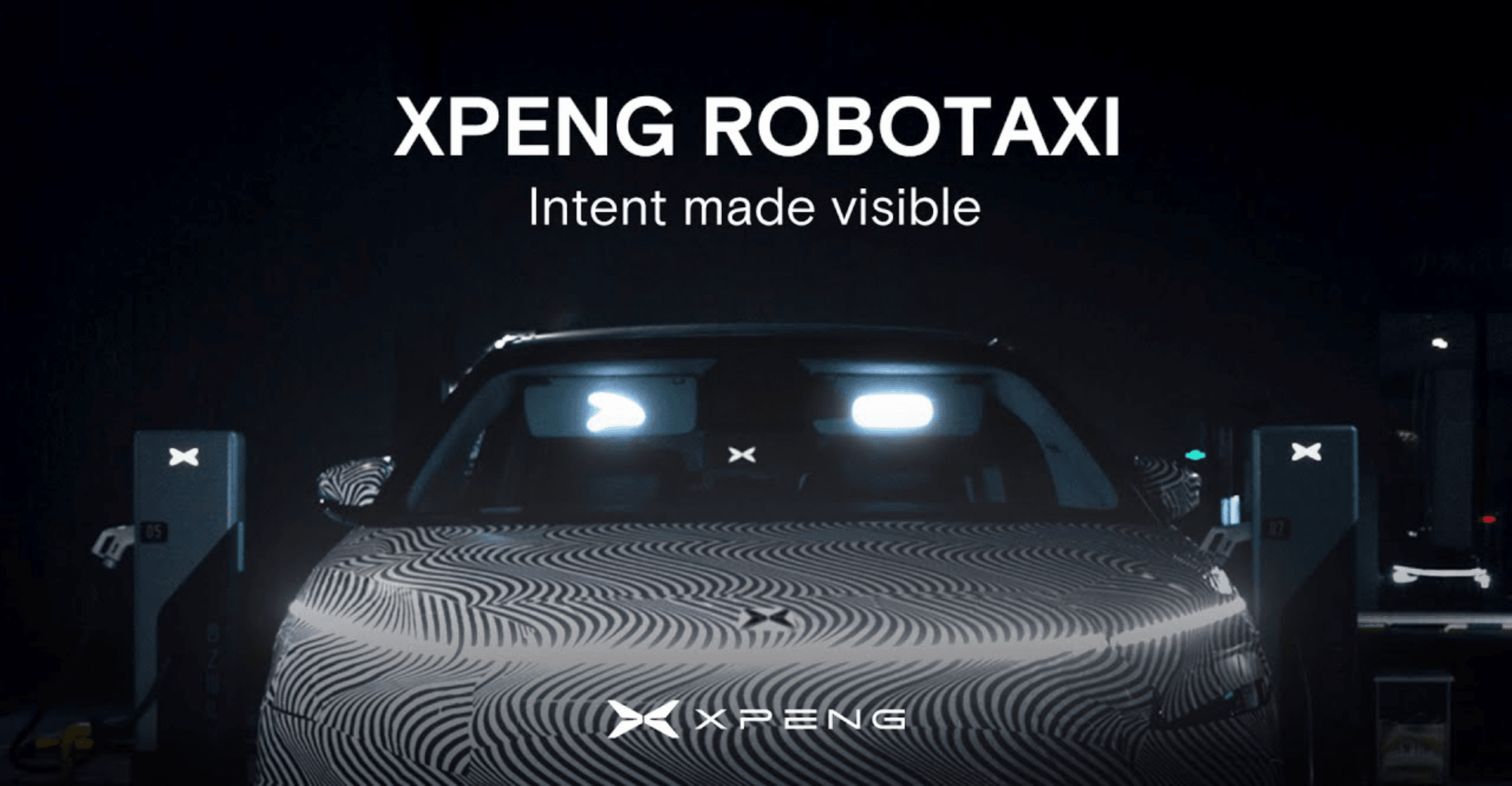
💡XPeng's 2025 robotaxi trials ramp up China AV race—watch for embodied AI breakthroughs
⚡ 30-Second TL;DR
What Changed
New Robotaxi division established by XPeng
Why It Matters
XPeng's robotaxi entry intensifies China AV competition with Tesla and Pony.ai, potentially driving AI hardware investments and talent shifts. It signals maturing embodied AI applications in mobility.
What To Do Next
Assess XPeng's AV simulation tools for benchmarking your robotaxi perception stack.
Key Points
- •New Robotaxi division established by XPeng
- •Passenger trials targeted for H2 2025
- •Accelerates push into real-world robotaxi operations
🧠 Deep Insight
AI-generated analysis for this event — not the original article.
🔑 Enhanced Key Takeaways
- •XPeng's robotaxi initiative leverages its proprietary XBrain architecture, which integrates large-scale neural networks to enhance decision-making in complex urban traffic scenarios.
- •The division is specifically focusing on Level 4 autonomous driving capabilities, aiming to utilize the XPeng G6 and G9 platforms as the primary hardware foundation for the fleet.
- •This strategic pivot follows XPeng's recent expansion of its 'AI Valet' and 'XNGP' advanced driver-assistance systems, which serve as the foundational data-gathering layer for the robotaxi training models.
📊 Competitor Analysis▸ Show
| Feature | XPeng (Robotaxi) | Baidu (Apollo Go) | Pony.ai |
|---|---|---|---|
| Operational Status | H2 2025 (Planned) | Fully Commercialized | Fully Commercialized |
| Primary Tech Stack | XBrain / XNGP | Apollo Open Platform | PonyAlpha / Gen7 |
| Vehicle Strategy | In-house (G6/G9) | Partnerships (Geely/Arcfox) | Partnerships (Toyota/GAC) |
🛠️ Technical Deep Dive
- •Architecture: Utilizes XBrain, a dual-network system combining a perception neural network and a planning/control neural network.
- •Hardware: Integration of dual LiDAR sensors, high-definition cameras, and millimeter-wave radar for 360-degree environmental mapping.
- •Compute: Powered by NVIDIA DRIVE Orin-X SoCs, providing high-throughput processing for real-time sensor fusion.
- •Data Loop: Employs a closed-loop data system where edge-case scenarios encountered by consumer XNGP vehicles are uploaded to the cloud for model retraining.
🔮 Future ImplicationsAI analysis grounded in cited sources
⏳ Timeline
Weekly AI Recap
Read this week's curated digest of top AI events →
👉Related Updates

AI-curated news aggregator. All content rights belong to original publishers.
Original source: Pandaily ↗
This is a summary, not the original. Read the source, or get the weekly briefing.
The weekly digest
One email a week. Unsubscribe anytime.