Xiaomi New SU7 Launch: Hype Fades, Upgrades Shine
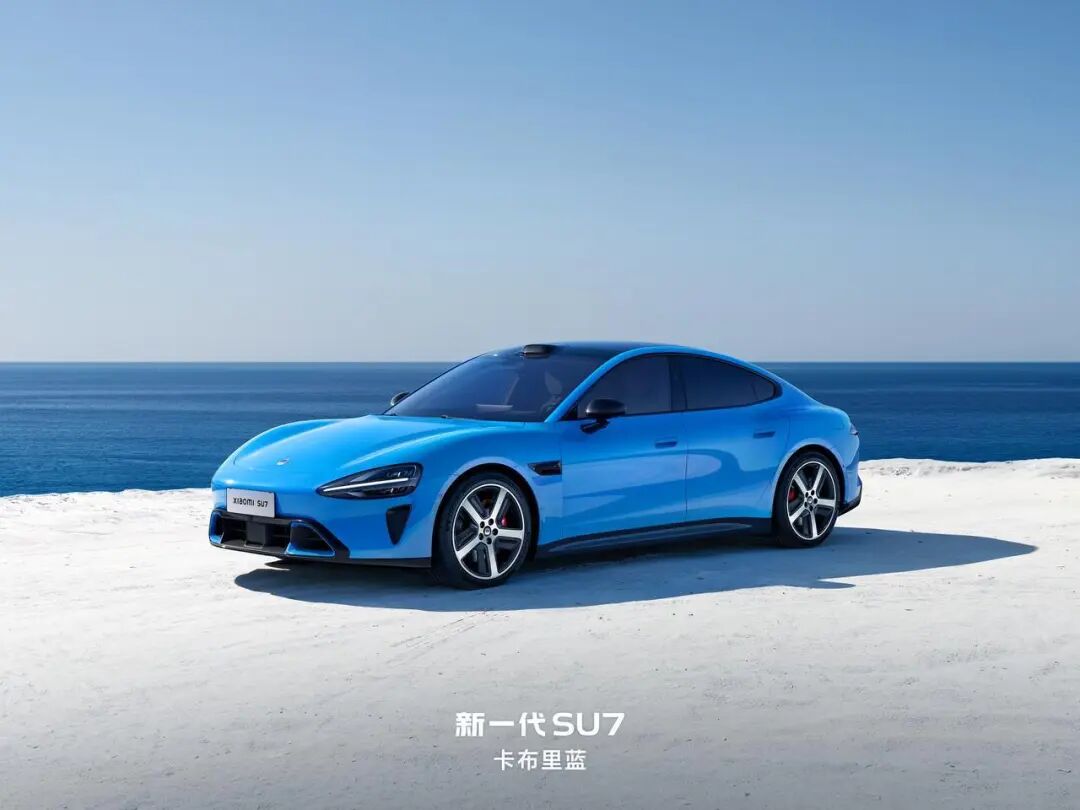
💡Xiaomi packs NVIDIA Thor + lidar into $22k EV: key for auto AI hardware trends
⚡ 30-Second TL;DR
What Changed
15k lock-in orders in 34min, over 30k total
Why It Matters
Xiaomi pivots to rational buyers with comfort and AI hardware, challenging Tesla Model 3 in mass-market EVs. May expand user base but faces longer decision cycles.
What To Do Next
Benchmark NVIDIA Thor + lidar stack in Xiaomi SU7 for automotive AI perception testing.
Key Points
- •15k lock-in orders in 34min, over 30k total
- •Standard NVIDIA Thor chip + lidar across models
- •Pro version hits 902km CLTC range, 11.7kWh/100km
- •Price up only 4k RMB despite 20k material cost rise
- •Shift to comfort: zero-gravity seats, quiet cabin
🧠 Deep Insight
AI-generated analysis for this event — not the original article.
🔑 Enhanced Key Takeaways
- •The integration of the NVIDIA Thor chip marks a significant leap in Xiaomi's autonomous driving architecture, moving from the previous Orin-X platform to a centralized compute unit capable of 2,000 TOPS.
- •Xiaomi has implemented a new 'Smart Chassis 3.0' system, which utilizes AI-driven predictive damping to adjust suspension settings in real-time based on road surface scanning data.
- •The supply chain strategy for the second-gen SU7 involves a higher degree of in-house vertical integration for the battery management system (BMS), allowing for the reported efficiency gains despite the increased material costs.
📊 Competitor Analysis▸ Show
| Feature | Xiaomi SU7 (Gen 2) | Tesla Model 3 (Refresh) | BYD Seal (2026) |
|---|---|---|---|
| Compute | NVIDIA Thor (2000 TOPS) | HW 4.0 | Custom/Integrated |
| Range (CLTC) | 902km (Pro) | ~713km | ~800km |
| Suspension | Predictive AI Chassis | Standard Adaptive | Magnetic/Air options |
| Pricing | Competitive (Small markup) | Baseline | Aggressive |
🛠️ Technical Deep Dive
- Compute Architecture: Transition to NVIDIA Thor SoC, consolidating cockpit and autonomous driving functions into a single high-performance domain controller.
- Efficiency Metrics: Achieved 11.7kWh/100km through improved drag coefficient optimization (Cd 0.188) and a new silicon carbide (SiC) inverter design.
- Battery Tech: Adoption of a new cell-to-chassis (CTC) integration method that increases energy density by 12% compared to the first-generation SU7.
- Autonomous Stack: Enhanced Lidar integration with multi-modal sensor fusion, enabling 'end-to-end' large model processing for urban NOA (Navigate on Autopilot).
🔮 Future ImplicationsAI analysis grounded in cited sources
⏳ Timeline
Weekly AI Recap
Read this week's curated digest of top AI events →
👉Related Updates
AI-curated news aggregator. All content rights belong to original publishers.
Original source: 36氪 ↗
This is a summary, not the original. Read the source, or get the weekly briefing.
The weekly digest
One email a week. Unsubscribe anytime.