Xiaocaiyuan Rebuilds Restaurants with AI
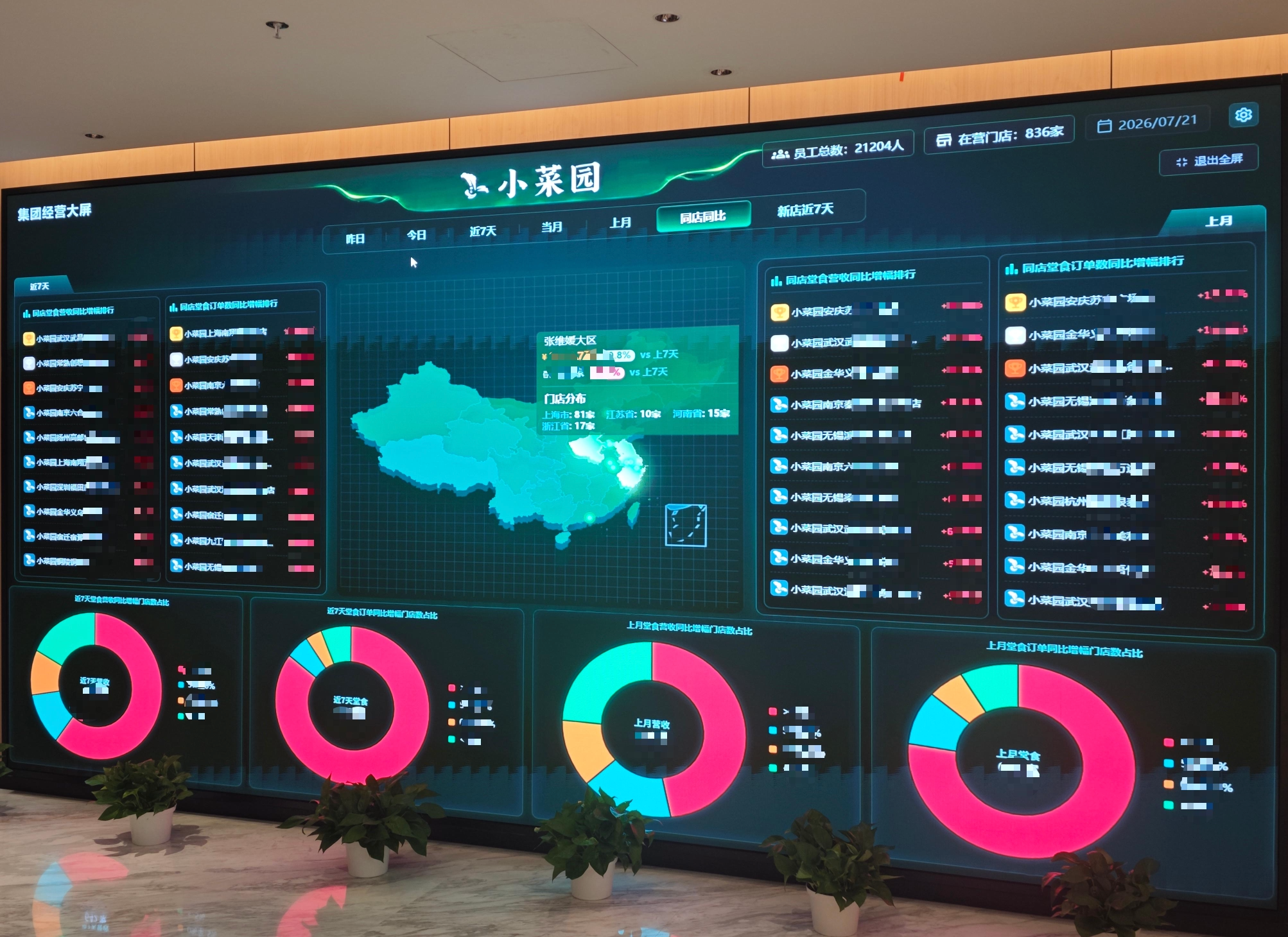
💡See how AI turns messy restaurant workflows into measurable, scalable operating data.
⚡ 30-Second TL;DR
What Changed
Each restaurant received 13–16 workflow screens covering front-of-house tasks and kitchen preparation schedules.
Why It Matters
The case shows how AI can create value in traditional, highly variable businesses by turning frontline processes into structured, auditable data. For AI builders, the important lesson is that deployment, workflow adoption, and human follow-up may matter as much as the model itself.
What To Do Next
Prototype an anomaly-triage workflow on your POS/KDS event logs, starting with three rules—service-time outliers, refund spikes, and inventory inconsistencies—before adding an LLM explanation layer.
Key Points
- •Each restaurant received 13–16 workflow screens covering front-of-house tasks and kitchen preparation schedules.
- •The KDS records preparation time, cooking time, responsible staff, table delivery, and returned dishes for every order.
- •AI diagnosis detects operational anomalies such as suspicious water-to-rice ratios, abnormal fruit prices, and improper 88VIP complimentary items.
- •Management dashboards compare stores against their own performance, regional benchmarks, and attainable near-term targets.
- •The company is investing in digital infrastructure and customer retention despite revenue growth slowing and first-half net profit falling 24.3%.
Weekly AI Recap
Read this week's curated digest of top AI events →
👉Related Updates
AI-curated news aggregator. All content rights belong to original publishers.
Original source: 虎嗅 ↗
This is a summary, not the original. Read the source, or get the weekly briefing.
Weekly AI briefing
One email a week. Unsubscribe anytime.