Wyoming tightens wastewater rules after Meta datacenter incident
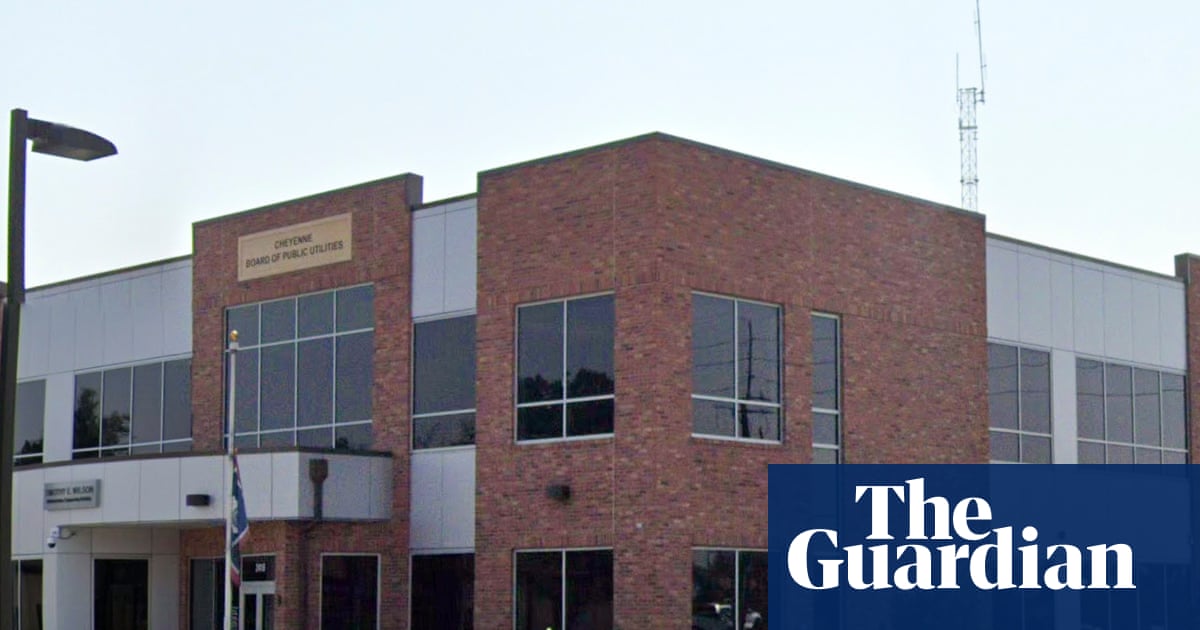
💡AI infrastructure growth is facing new regulatory hurdles; learn how environmental compliance impacts datacenter builds.
⚡ 30-Second TL;DR
What Changed
Meta datacenter contractor flushed bacteria-contaminated water into Cheyenne public sewers.
Why It Matters
This incident highlights the growing regulatory scrutiny on the environmental footprint of massive AI infrastructure projects. Developers and site operators should expect increased compliance costs and stricter oversight regarding resource management.
What To Do Next
Review your datacenter construction and operational environmental compliance protocols to ensure local water safety standards are strictly met.
Key Points
- •Meta datacenter contractor flushed bacteria-contaminated water into Cheyenne public sewers.
- •Local water authorities implemented stricter wastewater disposal regulations for construction projects.
- •Meta claims to be working with officials to ensure compliance and protect drinking water supplies.
🧠 Deep Insight
AI-generated analysis for this event — not the original article.
🔑 Enhanced Key Takeaways
- •The incident involved the unauthorized discharge of hydrotest water used for pipeline integrity testing, which contained elevated levels of coliform bacteria.
- •Cheyenne Board of Public Utilities (BOPU) officials confirmed that the contamination did not reach the city's potable water supply due to the separation of industrial and municipal systems.
- •New regulations mandate that all industrial construction sites in Cheyenne must now submit a detailed wastewater management plan and undergo mandatory water quality testing before any discharge into the sewer system.
- •Meta has committed to funding an independent environmental audit of the Cheyenne site to identify potential gaps in contractor oversight and safety protocols.
- •The incident has sparked a broader legislative discussion in Wyoming regarding the oversight of water usage and waste management for large-scale AI infrastructure projects.
🛠️ Technical Deep Dive
- The contaminated water originated from hydrotesting, a process where pipes are filled with water at high pressure to check for leaks or structural weaknesses.
- Hydrotest water often accumulates organic matter and biofilm from stagnant conditions within the piping, leading to bacterial proliferation.
- Cheyenne's wastewater treatment infrastructure utilizes biological nutrient removal (BNR) processes, which were temporarily stressed by the sudden influx of high-bacteria-load discharge.
- Compliance monitoring now requires real-time turbidity and pH sensors at discharge points for industrial construction sites exceeding a specific acreage.
🔮 Future ImplicationsAI analysis grounded in cited sources
⏳ Timeline
Weekly AI Recap
Read this week's curated digest of top AI events →
👉Related Updates

AI-curated news aggregator. All content rights belong to original publishers.
Original source: The Guardian Technology ↗
This is a summary, not the original. Read the source, or get the weekly briefing.
The weekly digest
One email a week. Unsubscribe anytime.