AI deepfakes in political campaigns raise ethical concerns
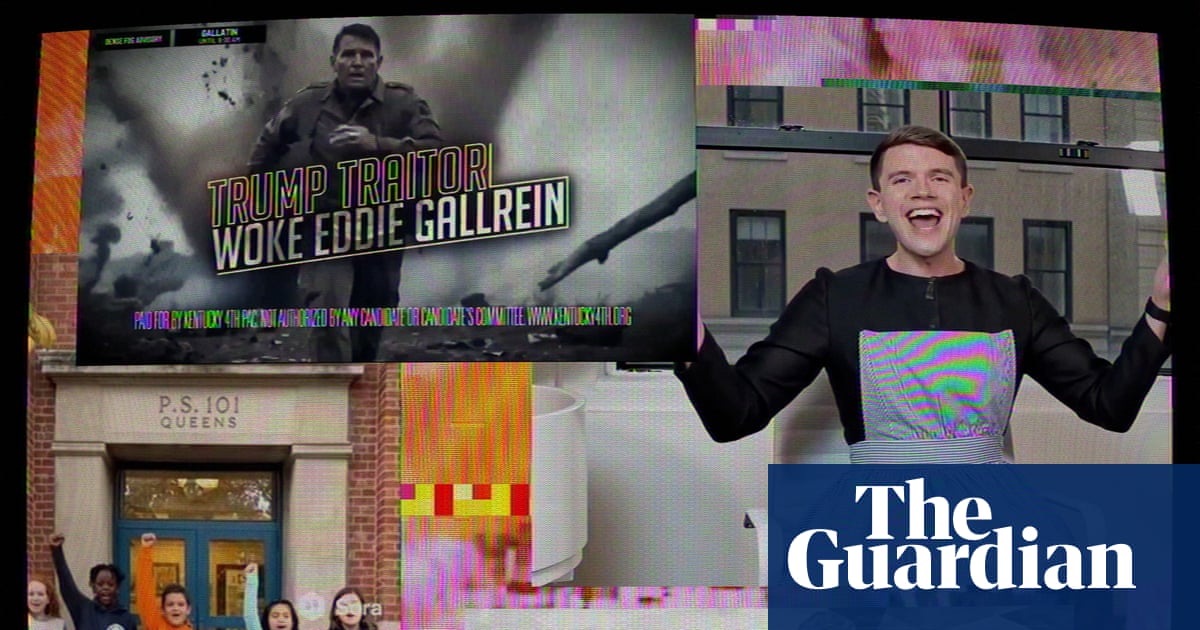
💡Learn how AI-generated misinformation is reshaping political campaigns and the urgent need for provenance tools.
⚡ 30-Second TL;DR
What Changed
Candidates using AI to create fake endorsements and news
Why It Matters
The misuse of generative AI in elections threatens public trust in digital media, potentially leading to stricter platform regulations.
What To Do Next
Implement robust watermarking and provenance tracking (C2PA) in your generative media tools to combat misinformation.
Key Points
- •Candidates using AI to create fake endorsements and news
- •Deepfakes are being deployed to spread misinformation about opponents
- •Experts warn of the growing scale of AI-driven political manipulation
🧠 Deep Insight
AI-generated analysis for this event — not the original article.
🔑 Enhanced Key Takeaways
- •Legislative bodies in multiple jurisdictions have begun mandating 'AI disclosure' labels for political advertisements to combat deceptive synthetic media.
- •The emergence of 'cheapfakes'—low-tech, non-AI manipulated media—often proves as effective as high-end deepfakes in swaying public opinion due to lower detection barriers.
- •Major social media platforms have updated their Terms of Service to include specific 'synthetic media' policies, requiring automated detection tagging for uploaded campaign content.
- •Cybersecurity researchers have identified a rise in 'micro-targeting' campaigns where AI generates thousands of personalized, slightly varied deepfake messages to exploit specific voter demographics.
- •The use of AI-driven 'bot farms' has evolved to include real-time, interactive deepfake avatars capable of engaging in live, deceptive conversations on encrypted messaging platforms.
🛠️ Technical Deep Dive
- Generative Adversarial Networks (GANs) remain the primary architecture for high-fidelity face-swapping, utilizing a generator to create synthetic images and a discriminator to refine realism against real datasets.
- Diffusion models, such as Stable Diffusion and its variants, are increasingly used for text-to-video generation, allowing for the creation of synthetic political speeches from simple text prompts.
- Audio cloning technology utilizes neural vocoders and transformer-based architectures to replicate a candidate's voice with as little as 30 seconds of source audio.
- Digital watermarking and provenance standards, such as C2PA (Coalition for Content Provenance and Authenticity), are being integrated into hardware and software to cryptographically verify the origin of media.
- Detection models often rely on analyzing physiological inconsistencies, such as irregular blinking patterns, unnatural skin texture, or spectral artifacts in the frequency domain that are invisible to the human eye.
🔮 Future ImplicationsAI analysis grounded in cited sources
⏳ Timeline
Weekly AI Recap
Read this week's curated digest of top AI events →
👉Related Updates
AI-curated news aggregator. All content rights belong to original publishers.
Original source: The Guardian Technology ↗
This is a summary, not the original. Read the source, or get the weekly briefing.
The weekly digest
One email a week. Unsubscribe anytime.