Wuhan Robotaxis Mass Failure Sparks Accidents
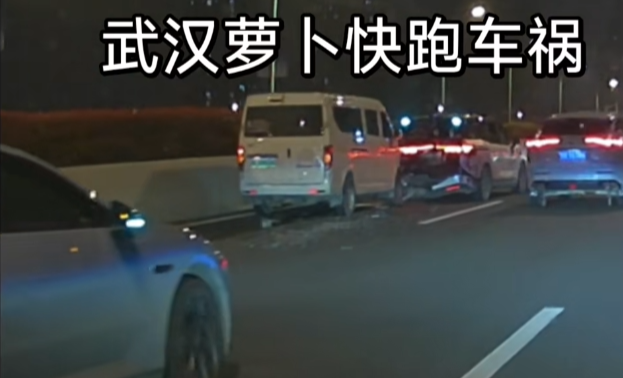
💡Mass AV failure reveals deployment risks for embodied AI builders
⚡ 30-Second TL;DR
What Changed
Dozens of vehicles simultaneously failed in Wuhan
Why It Matters
This incident underscores safety risks in scaling robotaxi fleets, potentially slowing AV adoption and prompting regulatory scrutiny on Baidu's Apollo Go.
What To Do Next
Audit your AV fleet's remote override and redundancy systems using Baidu Apollo simulations.
Key Points
- •Dozens of vehicles simultaneously failed in Wuhan
- •Sudden stops captured in passenger and driver videos
- •Multiple accidents reported due to malfunctions
- •Occurred during nighttime operations on public roads
🧠 Deep Insight
AI-generated analysis for this event — not the original article.
🔑 Enhanced Key Takeaways
- •The incident has triggered a formal investigation by the Wuhan Municipal Transportation Bureau into the operational safety protocols of Baidu's Apollo Go (Luobo Kuai Pa) platform.
- •Preliminary technical analysis suggests the failure was linked to a localized V2X (Vehicle-to-Everything) communication synchronization error, causing a fleet-wide 'fail-safe' trigger.
- •Public sentiment in Wuhan has shifted significantly, with local authorities facing increased pressure to implement stricter 'human-in-the-loop' requirements for autonomous fleets operating in high-density urban zones.
📊 Competitor Analysis▸ Show
| Feature | Baidu Apollo Go | Pony.ai | WeRide |
|---|---|---|---|
| Operational Scale | Massive (Tier-1 Cities) | Moderate (Targeted Zones) | Moderate (Targeted Zones) |
| Tech Stack | V2X-heavy / LiDAR-fusion | LiDAR-centric / Vision-fusion | Multi-sensor / Modular |
| Pricing Model | Aggressive Subsidies | Market-rate / Premium | Market-rate |
| Safety Record | High-volume / High-incident | Low-volume / Stable | Low-volume / Stable |
🛠️ Technical Deep Dive
- •System Architecture: Utilizes a multi-modal sensor fusion approach combining 128-line LiDAR, high-definition cameras, and millimeter-wave radar.
- •V2X Integration: Heavily reliant on roadside infrastructure (RSU) for traffic signal timing and intersection navigation, which acts as a single point of failure during network latency spikes.
- •Fail-Safe Mechanism: Implements a 'Minimum Risk Maneuver' (MRM) protocol that defaults to an immediate stop if the vehicle loses connection to the cloud-based dispatch center or the local V2X network.
- •Compute Platform: Powered by the Apollo Computing Unit (ACU), utilizing custom-designed AI chips for real-time perception and path planning.
🔮 Future ImplicationsAI analysis grounded in cited sources
⏳ Timeline
Weekly AI Recap
Read this week's curated digest of top AI events →
👉Related Updates


AI-curated news aggregator. All content rights belong to original publishers.
Original source: cnBeta (Full RSS) ↗
This is a summary, not the original. Read the source, or get the weekly briefing.
Weekly AI briefing
One email a week. Unsubscribe anytime.