Wu Jun Predicts 2028 AI Bubble
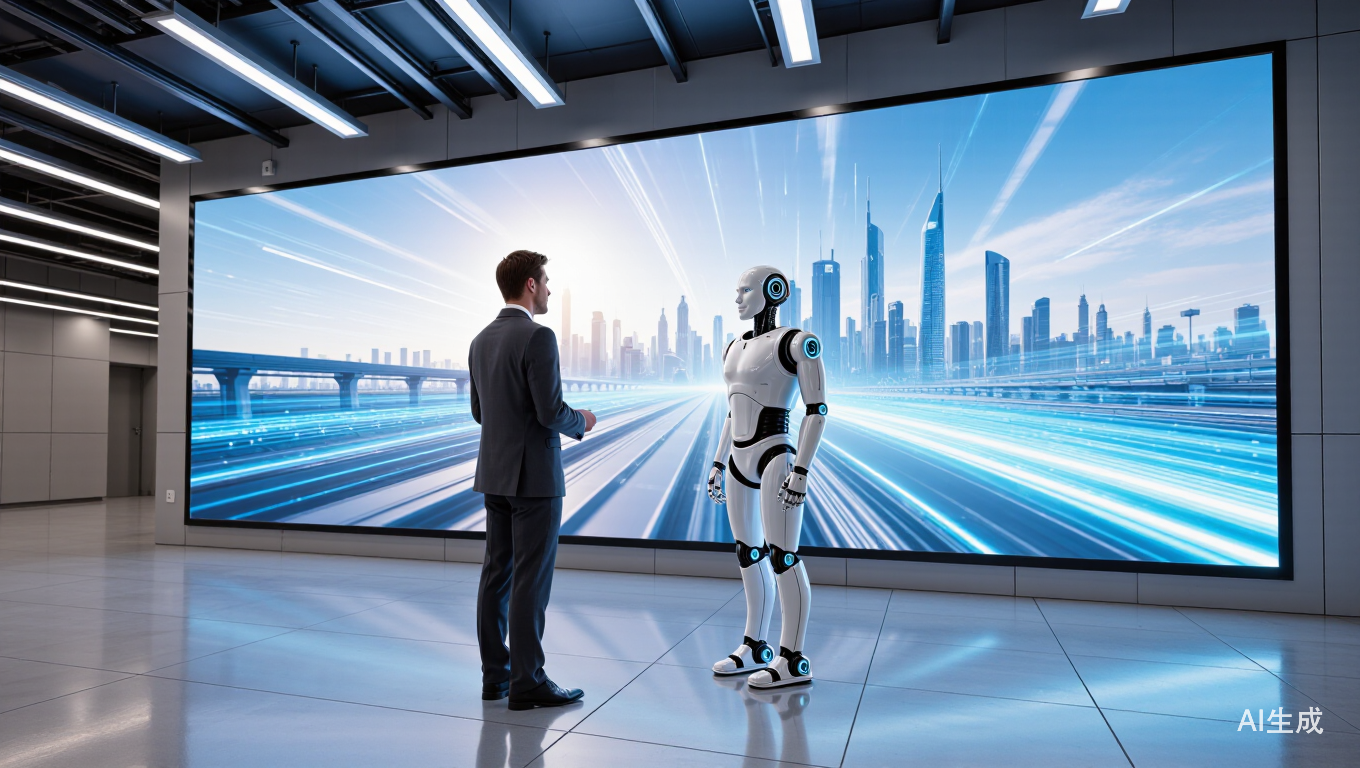
💡Veteran investor Wu Jun warns 2028 AI crash—lessons for surviving the purge
⚡ 30-Second TL;DR
What Changed
AI bubble forecasted for 2028, with most companies failing like past tech cycles
Why It Matters
Signals industry shakeout; AI founders must build defensible moats beyond hype. Favors specialized robotics over flashy humanoids, boosting China's hardware edge.
What To Do Next
Benchmark your AI model efficiency against DeepSeek to compete with US leaders.
Key Points
- •AI bubble forecasted for 2028, with most companies failing like past tech cycles
- •Humanoid robots unnecessary; specialized forms like machine dogs excel in real scenarios
- •China leads robotics via workforce diligence and Shenzhen supply chains
- •华人 from top Chinese unis dominate Silicon Valley AI roles due to strong math foundations
- •US ahead in foundation models like Transformer; China optimizes efficiency
🧠 Deep Insight
Background and context from public sources — not the original article. 5 sources cited.
🔑 Enhanced Key Takeaways
- •AI hyperscalers like Amazon, Alphabet, Meta, and Microsoft spent nearly $300 billion on capital expenditures in 2025, representing 1.3% of U.S. GDP, projected to rise to 1.6% in 2026, fueling bubble concerns.[5]
- •Manifold Markets assigns a 37% probability to an AI bubble bursting before 2028, defined by 30% stock declines in three major AI firms or reduced venture funding, confirmed by three major news outlets.[2]
- •World Economic Forum outlines a post-bubble scenario where AI investment slows, new firms struggle, but economic fallout is milder than 2008 due to AI's real value, shifting focus to utilizing existing infrastructure.[3]
🔮 Future ImplicationsAI analysis grounded in cited sources
📎 Sources (5)
Factual claims are grounded in the sources below. Forward-looking analysis is AI-generated interpretation.
Weekly AI Recap
Read this week's curated digest of top AI events →
👉Related Updates

AI-curated news aggregator. All content rights belong to original publishers.
Original source: 虎嗅 ↗
This is a summary, not the original. Read the source, or get the weekly briefing.
Weekly AI briefing
One email a week. Unsubscribe anytime.