Windows 11 June Update Improves Search and System Latency
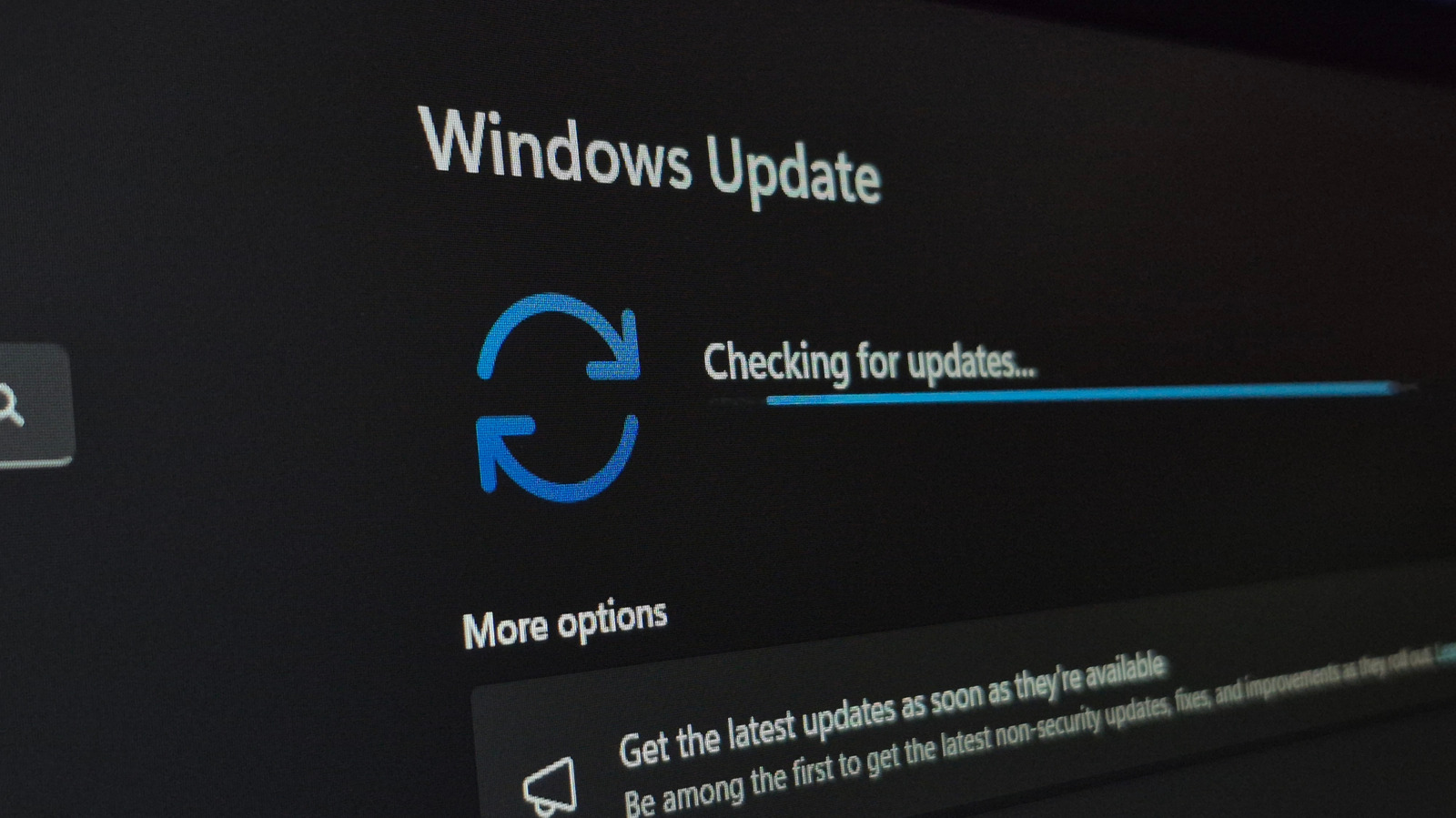
๐กPerformance updates to Windows 11 can directly impact the efficiency of local AI model development and testing.
โก 30-Second TL;DR
What Changed
Introduction of a new low-latency profile for improved responsiveness
Why It Matters
These performance improvements provide a more stable environment for developers running local AI workloads and resource-intensive applications on Windows.
What To Do Next
Update your Windows 11 development environment to the latest June patch to ensure optimal performance for local LLM inference.
Key Points
- โขIntroduction of a new low-latency profile for improved responsiveness
- โขOptimized search indexing for faster query results
- โขComprehensive security patches addressing hundreds of system flaws
๐ง Deep Insight
Web-grounded analysis with 19 cited sources.
๐ Enhanced Key Takeaways
- โขThe new Low Latency Profile (LLP) is a background scheduling and power behavior that temporarily boosts CPU frequency for 1-3 seconds during interactive tasks like opening the Start menu, Search, or launching apps, rather than being a traditional user-facing performance mode.
- โขThe June 2026 update (KB5094126) introduces 'Shared Audio' via Bluetooth LE Audio, enabling two users to listen to the same audio from a single PC simultaneously.
- โขA significant new feature, 'Multi-App Camera' support, allows multiple applications to access the same camera stream concurrently, resolving a previous limitation where only one app could utilize the camera at a time.
- โขThe update enhances Task Manager with new optional columns for NPU (Neural Processing Unit) usage, NPU Engine, NPU Dedicated Memory, and NPU Shared Memory, providing deeper insights into AI chip performance.
- โขBeyond general security patches, the update specifically addresses a critical BitLocker security bypass vulnerability (CVEโ2026โ45585) and includes crucial updates for Secure Boot certificates that were set to expire in June 2026.
๐ ๏ธ Technical Deep Dive
- Low Latency Profile (LLP): Part of Microsoft's 'Windows K2 initiative,' LLP is a system optimization that, upon detecting an interactive user trigger (e.g., opening Start menu, Search, launching an app, or context menu), immediately spikes the CPU to its maximum frequency for a brief period of one to three seconds. This bypasses the typical gradual CPU ramp-up, providing an instant performance burst to render shell elements and complete the action, then returns the CPU to its normal idle state. This technique is also utilized in macOS and Linux.
- Search Indexing: Windows 11 transitioned its Search index structure from an Extensible Storage Engine (ESE) database to SQLite. Recent improvements enable Windows Search to find and prioritize files with as few as two characters and support 'Search by Substring' for compound filenames (e.g., finding 'april' in 'MeetingNotesApril'). Microsoft is also adjusting search 'rankers' to prioritize local files over irrelevant web results and is reportedly adding an option to disable Bing searches.
- Security Patches: The June 2026 update (KB5094126) is a mandatory Patch Tuesday release, which are cumulative and delivered monthly on the second Tuesday. It includes fixes for hundreds of system flaws, notably a BitLocker security bypass vulnerability (CVEโ2026โ45585) and updates for Secure Boot certificates that were due to expire in June 2026, ensuring continued device trust.
๐ฎ Future ImplicationsAI analysis grounded in cited sources
โณ Timeline
๐ Sources (19)
Factual claims are grounded in the sources below. Forward-looking analysis is AI-generated interpretation.
Weekly AI Recap
Read this week's curated digest of top AI events โ
๐Related Updates
AI-curated news aggregator. All content rights belong to original publishers.
Original source: Engadget โ