๐จ๐ณcnBeta (Full RSS)โขFreshcollected in 41m
Windows 11 Taskbar AI Agents Prep for Launch
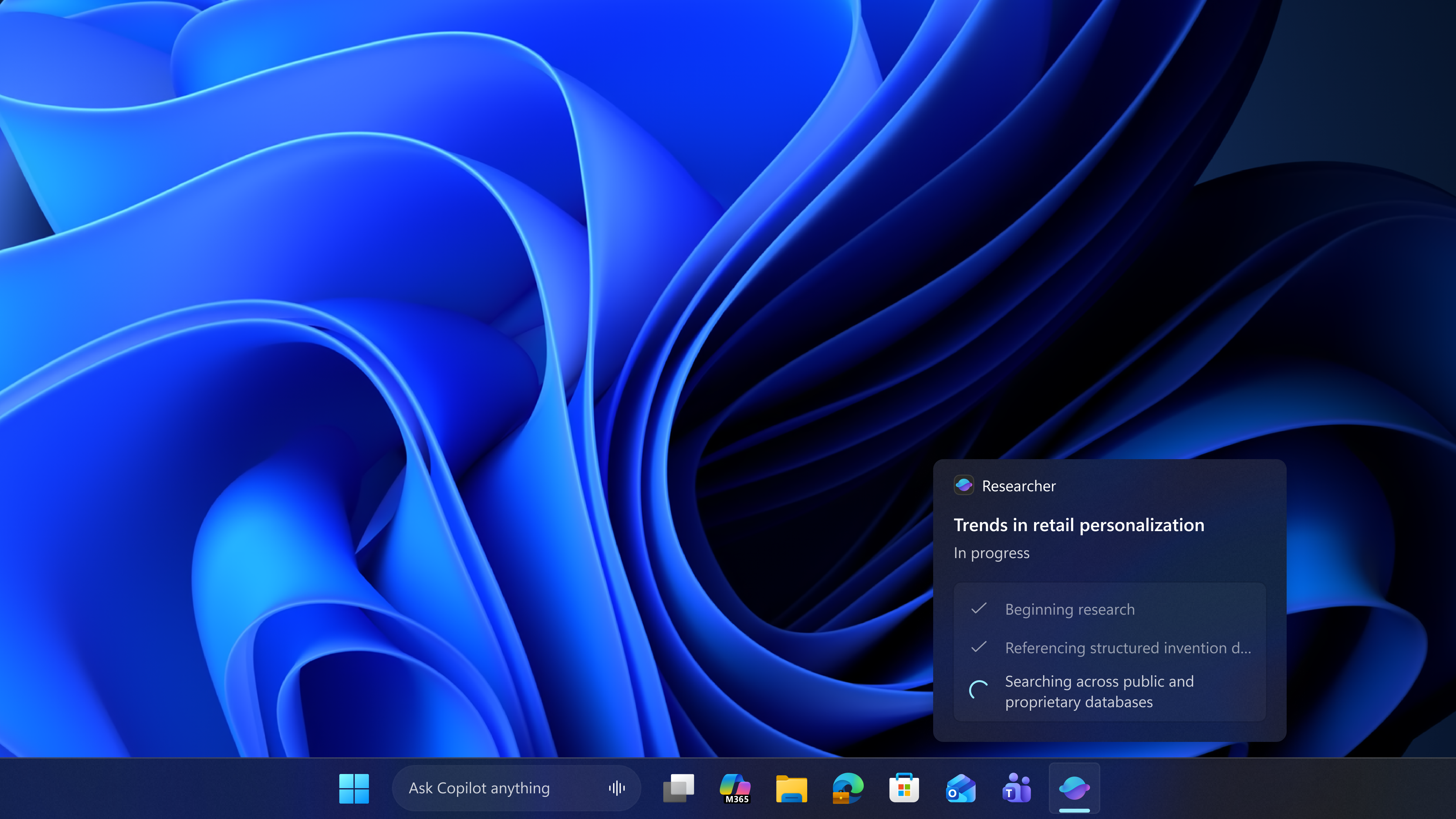
๐กWin11 taskbar to host 3rd-party AI agentsโgame-changer for agent workflows
โก 30-Second TL;DR
What Changed
Microsoft reaffirms taskbar AI agents still in development for Windows 11
Why It Matters
Deepens OS-level AI integration, fostering agent ecosystems and productivity. Enables seamless third-party AI access, shifting Windows toward agentic computing paradigms.
What To Do Next
Join Windows Insider Program to test upcoming taskbar AI agent previews.
Who should care:Developers & AI Engineers
๐ง Deep Insight
AI-generated analysis for this event.
๐ Enhanced Key Takeaways
- โขThe taskbar integration utilizes the 'Windows Copilot Runtime,' a specialized API layer designed to manage agent orchestration and context-aware permissions between the OS and third-party models.
- โขMicrosoft is implementing a 'Privacy-First Sandbox' for these agents, ensuring that local data processing (via NPU acceleration) is prioritized over cloud-based inference for sensitive taskbar-invoked queries.
- โขThe rollout strategy includes a 'Bring Your Own Agent' (BYOA) marketplace within the Microsoft Store, allowing developers to register agent manifests that define specific taskbar capabilities and system-level hooks.
๐ Competitor Analysisโธ Show
| Feature | Microsoft Windows Taskbar Agents | Apple macOS Intelligence (Siri) | Google ChromeOS Gemini Integration |
|---|---|---|---|
| Architecture | Agentic API / Runtime | System-wide LLM / App Intents | Browser-centric / Cloud-native |
| Third-Party Support | Open Marketplace (BYOA) | Limited (App Intents) | Restricted (Extensions) |
| Hardware Focus | NPU-accelerated local inference | Apple Silicon (Neural Engine) | Cloud-heavy / TPU optimized |
๐ ๏ธ Technical Deep Dive
- โขUtilizes the Windows Copilot Runtime (WCR) to provide a standardized interface for agent communication.
- โขImplements a 'Capability Manifest' system where agents must declare specific system permissions (e.g., file access, calendar read, UI automation) before being allowed to run in the taskbar context.
- โขLeverages local NPU (Neural Processing Unit) offloading for lightweight agent tasks to minimize latency and reduce cloud dependency.
- โขSupports a 'Context Bridge' that allows agents to securely access active window metadata without exposing full user screen content.
๐ฎ Future ImplicationsAI analysis grounded in cited sources
Windows will transition from an application-centric OS to an agent-orchestration platform.
By allowing third-party agents to reside on the taskbar, Microsoft is shifting the primary user interaction model from launching apps to invoking intent-based agents.
The Microsoft Store will become the primary revenue driver for third-party AI agent distribution.
The introduction of a dedicated marketplace for agent manifests creates a new ecosystem where developers monetize agent capabilities directly within the Windows shell.
โณ Timeline
2023-09
Microsoft introduces Copilot in Windows 11 as a centralized AI assistant.
2024-05
Microsoft announces Copilot+ PC initiative, emphasizing NPU-accelerated AI features.
2025-02
Microsoft begins internal testing of 'Agentic' capabilities for the Windows shell.
2026-01
Windows 11 preview builds introduce the Windows Copilot Runtime API for developers.
๐ฐ
Weekly AI Recap
Read this week's curated digest of top AI events โ
๐Related Updates
AI-curated news aggregator. All content rights belong to original publishers.
Original source: cnBeta (Full RSS) โ


