Why Level 5 Self-Driving Remains So Difficult
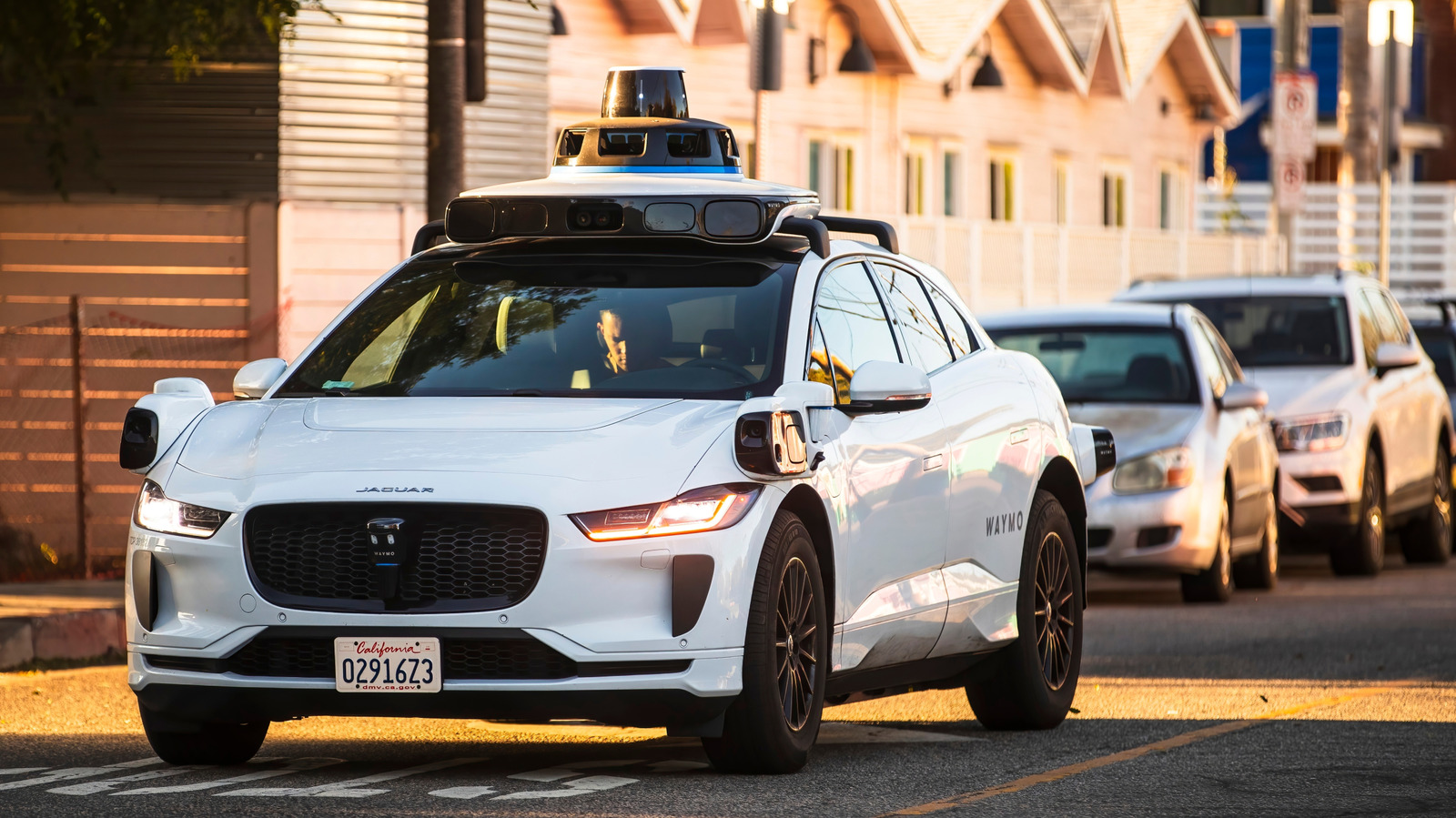
💡See why even Waymo’s advanced autonomy falls short of the universal reliability required for Level 5.
⚡ 30-Second TL;DR
What Changed
Level 4 autonomy is limited to defined operating conditions, while Level 5 must work everywhere.
Why It Matters
The distinction is important for AI practitioners evaluating autonomous systems, because real-world deployment depends on operational boundaries as much as model performance. It also shows why expanding from geofenced services to general-purpose autonomy requires major advances in reliability and safety validation.
What To Do Next
Use the Level 4 versus Level 5 distinction to define explicit operational-design domains and edge-case test suites for your autonomous-driving system.
Key Points
- •Level 4 autonomy is limited to defined operating conditions, while Level 5 must work everywhere.
- •Waymo’s autonomous vehicles are an example of advanced but operationally constrained automation.
- •Level 5 must handle unpredictable roads, weather, traffic, and edge cases without human intervention.
Weekly AI Recap
Read this week's curated digest of top AI events →
👉Related Updates



AI-curated news aggregator. All content rights belong to original publishers.
Original source: Engadget ↗
This is a summary, not the original. Read the source, or get the weekly briefing.
Weekly AI briefing
One email a week. Unsubscribe anytime.