Why Industrial AI Still Struggles With Data

💡Learn why industrial AI fails despite massive datasets—and why machine-readable data foundations matter more than volume
⚡ 30-Second TL;DR
What Changed
Large volumes of industrial data do not guarantee effective AI deployment.
Why It Matters
Industrial AI projects may fail because data lacks consistent semantics, context, or operational accessibility. Improving the data foundation can be more valuable than immediately switching to a larger model.
What To Do Next
Create a canonical schema for one machine type, connect its telemetry to a time-series database, and test a retrieval layer that answers three real maintenance questions.
Key Points
- •Large volumes of industrial data do not guarantee effective AI deployment.
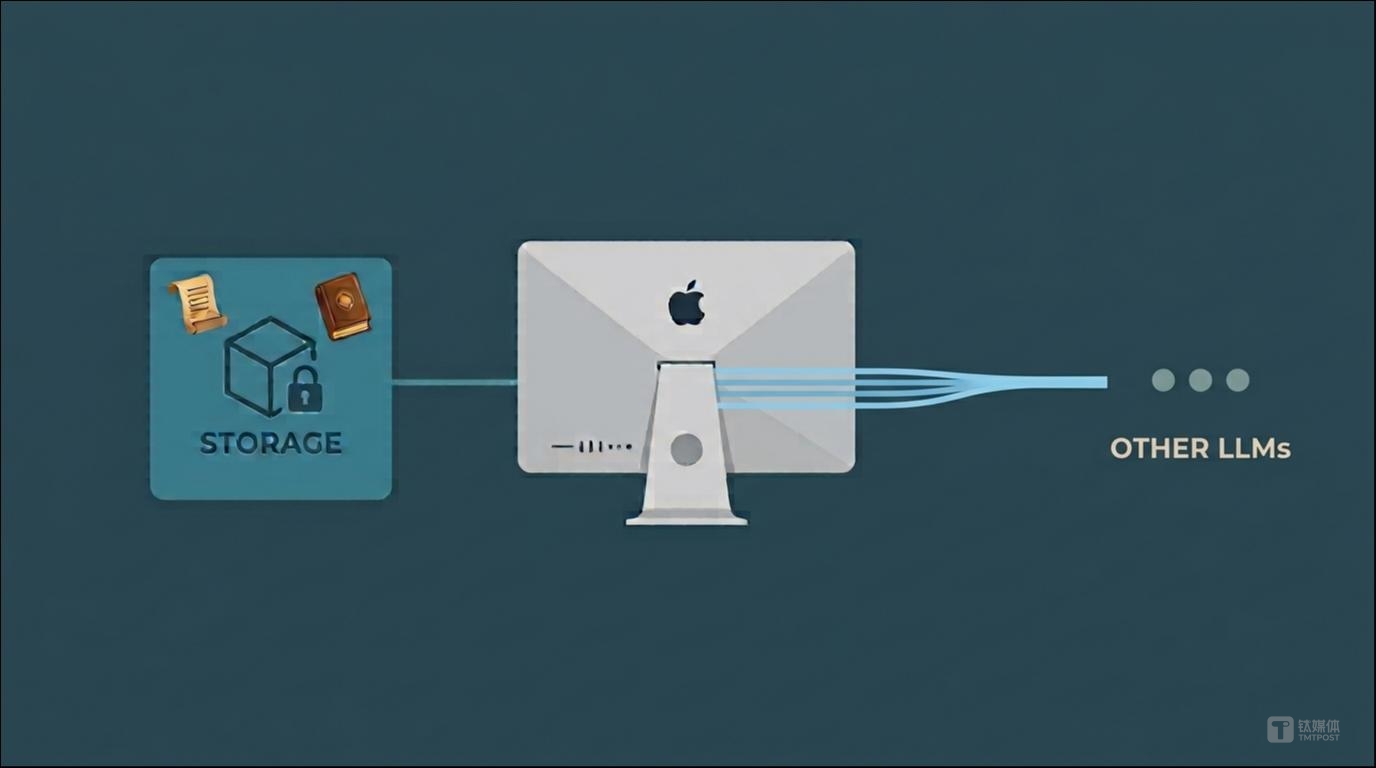
- •Industrial databases must normalize and interpret data from heterogeneous machines.
- •The key challenge is creating a machine-understanding data layer rather than simply collecting more records.
🧠 Deep Insight
Background and context from public sources — not the original article. 8 sources cited.
🔑 Enhanced Key Takeaways
- •The 'pilot-to-production' gap remains the primary barrier, with most industrial AI projects failing to scale due to the inability to make legacy data sets 'AI-ready'.
- •The persistent divide between Information Technology (IT) and Operational Technology (OT) teams continues to degrade network performance and security, hindering AI integration.
- •Industry leaders are increasingly adopting the Unified Namespace (UNS) architecture over MQTT to centralize disparate data streams into a consistent format for AI consumption.
- •The emergence of 'Agentic AI' in 2026 has shifted requirements from simple advisory outputs to active process orchestration, necessitating higher-fidelity, contextualized data.
- •Cybersecurity has evolved into a critical bottleneck, as the increased connectivity required for AI-driven industrial operations significantly expands the enterprise attack surface.
🛠️ Technical Deep Dive
- •
- Implementation of Unified Namespace (UNS) architectures to provide a single source of truth for industrial data.
- •
- Utilization of MQTT protocols to facilitate real-time data transmission across heterogeneous machine environments.
- •
- Integration of real-time location intelligence and process-specific metadata to provide operational context to machine learning models.
- •
- Transition toward software-defined manufacturing platforms to replace rigid, hardware-centric automation stacks.
🔮 Future ImplicationsAI analysis grounded in cited sources
📎 Sources (8)
Factual claims are grounded in the sources below. Forward-looking analysis is AI-generated interpretation.
Weekly AI Recap
Read this week's curated digest of top AI events →
👉Related Updates


AI-curated news aggregator. All content rights belong to original publishers.
Original source: 钛媒体 ↗
This is a summary, not the original. Read the source, or get the weekly briefing.
Weekly AI briefing
One email a week. Unsubscribe anytime.