Why Grassroots Creators Win AI Comics
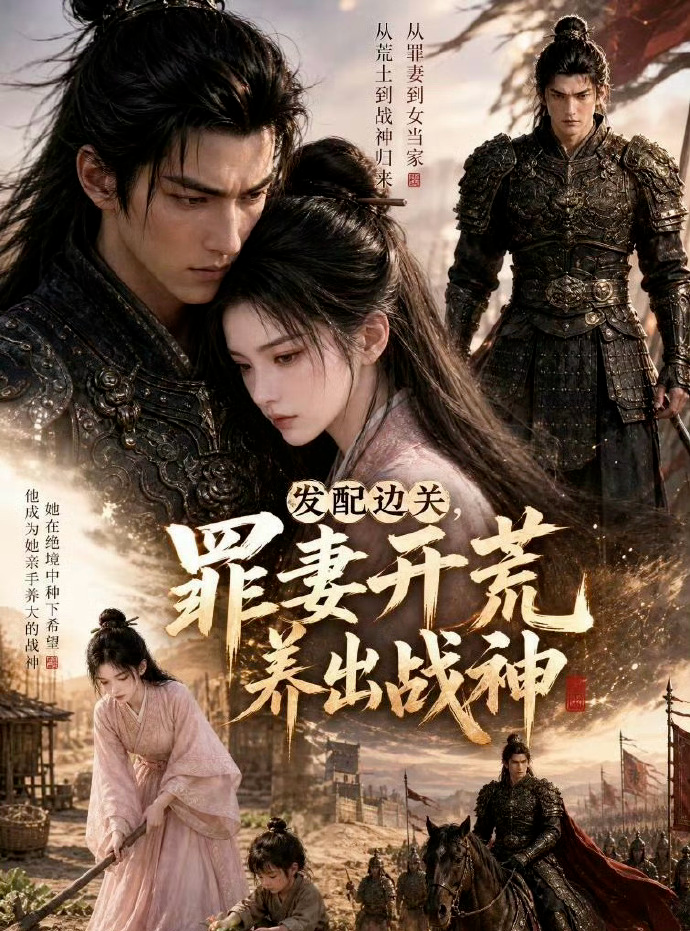
Learn why grassroots teams are outperforming better-funded companies in AI-generated comic dramas.
30-Second TL;DR
What Changed
AI comic-drama hits are frequently created by grassroots teams.
Why It Matters
The trend suggests that fast experimentation, distinctive creative judgment, and efficient production may matter as much as capital in AI-generated entertainment. Established companies may need to study grassroots workflows rather than relying solely on larger budgets.
What To Do Next
Prototype one short AI comic-drama episode with a small team and compare its audience retention against a more heavily resourced production.
Key Points
- •AI comic-drama hits are frequently created by grassroots teams.
- •Large companies possess greater access to capital and talent but do not automatically produce the most popular works.
- •The article calls for a more nuanced interpretation of grassroots success stories.
Deep Insight
AI-generated analysis for this event — not the original article.
Enhanced Key Takeaways
- •Grassroots creators leverage 'agile iteration' cycles, often releasing daily episodes to maintain audience engagement, whereas large studios are constrained by traditional production pipelines and approval hierarchies.
- •The 'AI comic-drama' genre relies heavily on community feedback loops where creators adjust character consistency and plot direction in real-time based on social media comments.
- •Large tech companies often struggle with 'uncanny valley' issues in AI-generated content because they prioritize high-fidelity, polished aesthetics over the raw, stylized, and relatable visual language preferred by grassroots audiences.
- •Grassroots success is frequently driven by the mastery of 'prompt engineering workflows' that combine multiple specialized models (e.g., Midjourney for visuals, Suno for audio, and LLMs for scriptwriting) rather than relying on a single proprietary enterprise tool.
- •Platform algorithms on short-video apps favor high-frequency content updates, which grassroots creators achieve through automated AI pipelines that large-scale production houses have yet to fully integrate into their legacy workflows.
Technical Deep Dive
- Workflow Integration: Creators utilize ComfyUI or similar node-based interfaces to maintain character consistency across frames, a critical technical hurdle for long-form AI comics.
- Model Chaining: Implementation involves a multi-stage pipeline where LLMs generate scene descriptions, which are then passed to image generation models (Stable Diffusion/Flux) with ControlNet for pose and composition locking.
- Audio-Visual Sync: Use of Lip-syncing tools like LivePortrait or HeyGen is integrated into the post-production phase to animate static AI-generated characters.
- Data Efficiency: Grassroots teams often use LoRA (Low-Rank Adaptation) training on small, curated datasets of specific character styles to ensure visual continuity without the need for massive compute resources.
Future ImplicationsAI analysis grounded in cited sources
Timeline
- 2023-09Initial surge of AI-generated short-form comic content appears on Chinese social media platforms.
- 2024-05Introduction of advanced character consistency tools (e.g., improved ControlNet and LoRA workflows) enables longer, narrative-driven AI comics.
- 2025-02Grassroots AI comic creators begin monetizing through platform-specific creator funds and brand partnerships, signaling a shift to professionalized independent production.
- 2026-01Major tech platforms launch dedicated 'AI Comic' creation modules, directly competing with independent grassroots workflows.
Weekly AI Recap
Read this week's curated digest of top AI events →
AI-curated news aggregator. All content rights belong to original publishers.
Original source: 钛媒体 ↗
This is a summary, not the original. Read the source, or get the weekly briefing.
The weekly digest
One email a week. Unsubscribe anytime.