Why Chinese Math Talents Thrive Only Abroad
Understand the systemic barriers to original AI research and how to build environments that nurture top-tier talent.
30-Second TL;DR
What Changed
Domestic academic systems often rely on rigid, quantitative metrics that discourage long-term, high-risk research.
Why It Matters
Highlights the critical need for 'academic special zones' in China to foster original innovation rather than just standardized output.
What To Do Next
If you are a research lead, implement a 'no-metric' pilot program for your high-potential team members to encourage long-term exploration.
Key Points
- •Domestic academic systems often rely on rigid, quantitative metrics that discourage long-term, high-risk research.
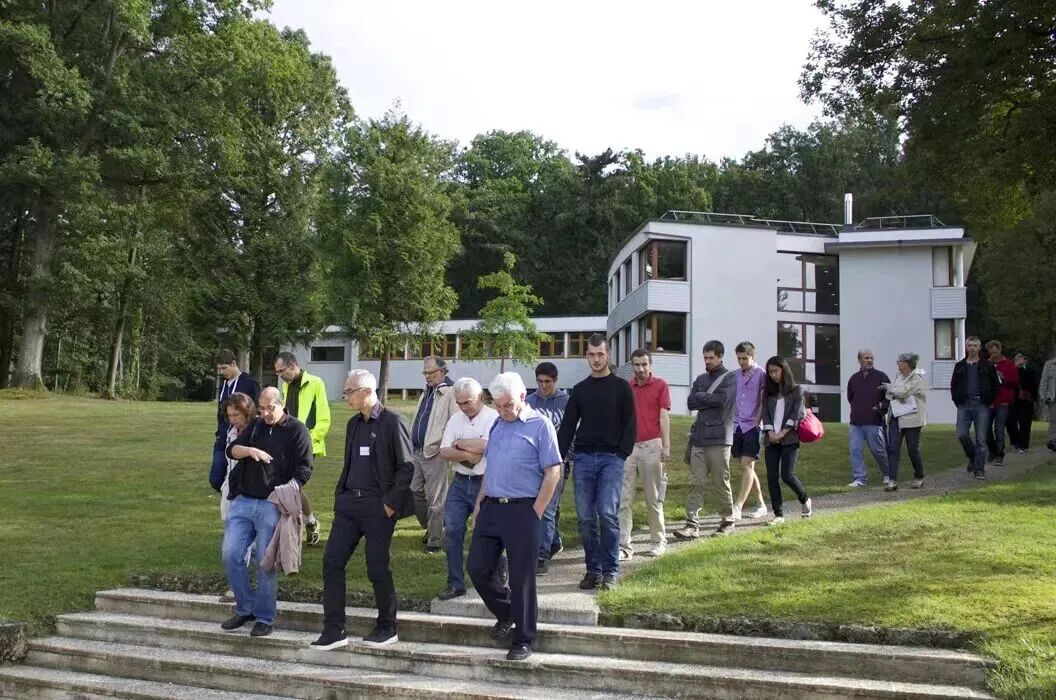
- •International environments like IHES provide 'trial and error' space, fostering independence and creativity.
- •The lack of a supportive, non-pressured environment in China hinders the growth of 'slow-blooming' top-tier researchers.
Deep Insight
AI-generated analysis for this event — not the original article.
Enhanced Key Takeaways
- •The 'Qian Xuesen Question' remains a central cultural touchstone in Chinese academic discourse, questioning why domestic institutions fail to produce world-class scientific innovators compared to Western counterparts.
- •Recent reforms, such as the 'Eliminating the Four Onlys' (removing reliance on only papers, titles, degrees, and awards) policy, have been implemented by the Ministry of Education to combat the rigid quantitative metrics mentioned in the article.
- •The Fields Medal, often used as a benchmark for mathematical success, has historically been awarded to Chinese-born mathematicians almost exclusively after they established their careers in North American or European universities.
- •Chinese academic culture often emphasizes 'top-down' research management and large-scale collaborative projects, which contrasts with the 'bottom-up' individualistic research culture prevalent in institutions like the Institute for Advanced Study (IAS).
- •There is a growing trend of 'reverse brain drain' where top-tier talent is being recruited back to China through initiatives like the Westlake University model, which attempts to replicate Western-style academic freedom and tenure-track systems.
Future ImplicationsAI analysis grounded in cited sources
Timeline
- 2005-07Qian Xuesen poses the 'Qian Xuesen Question' regarding China's lack of innovative talent.
- 2018-07Ministry of Education launches the 'Eliminating the Four Onlys' campaign to reform academic evaluation.
- 2018-10Westlake University is formally established as a private, research-oriented university modeled after Western standards.
- 2022-07June Huh, a mathematician with strong ties to the international research community, wins the Fields Medal, highlighting the importance of global academic mobility.
Weekly AI Recap
Read this week's curated digest of top AI events →
AI-curated news aggregator. All content rights belong to original publishers.
Original source: 虎嗅 ↗
This is a summary, not the original. Read the source, or get the weekly briefing.
The weekly digest
One email a week. Unsubscribe anytime.