Why AI Efficiency Often Leads to Layoffs
Learn why AI-driven productivity is failing to scale and how to architect AI systems that actually transform business va
30-Second TL;DR
What Changed
AI integration into existing workflows often creates 'garbage in, garbage out' scenarios.
Why It Matters
AI practitioners must focus on building AI systems that fundamentally change business processes rather than just automating existing tasks. Failure to do so risks organizational friction and potential job instability.
What To Do Next
Audit your current AI integration projects to ensure they are re-engineering workflows rather than just adding a layer of technical debt.
Key Points
- •AI integration into existing workflows often creates 'garbage in, garbage out' scenarios.
- •Companies are using layoffs to balance the books when AI-driven performance gains fail to materialize.
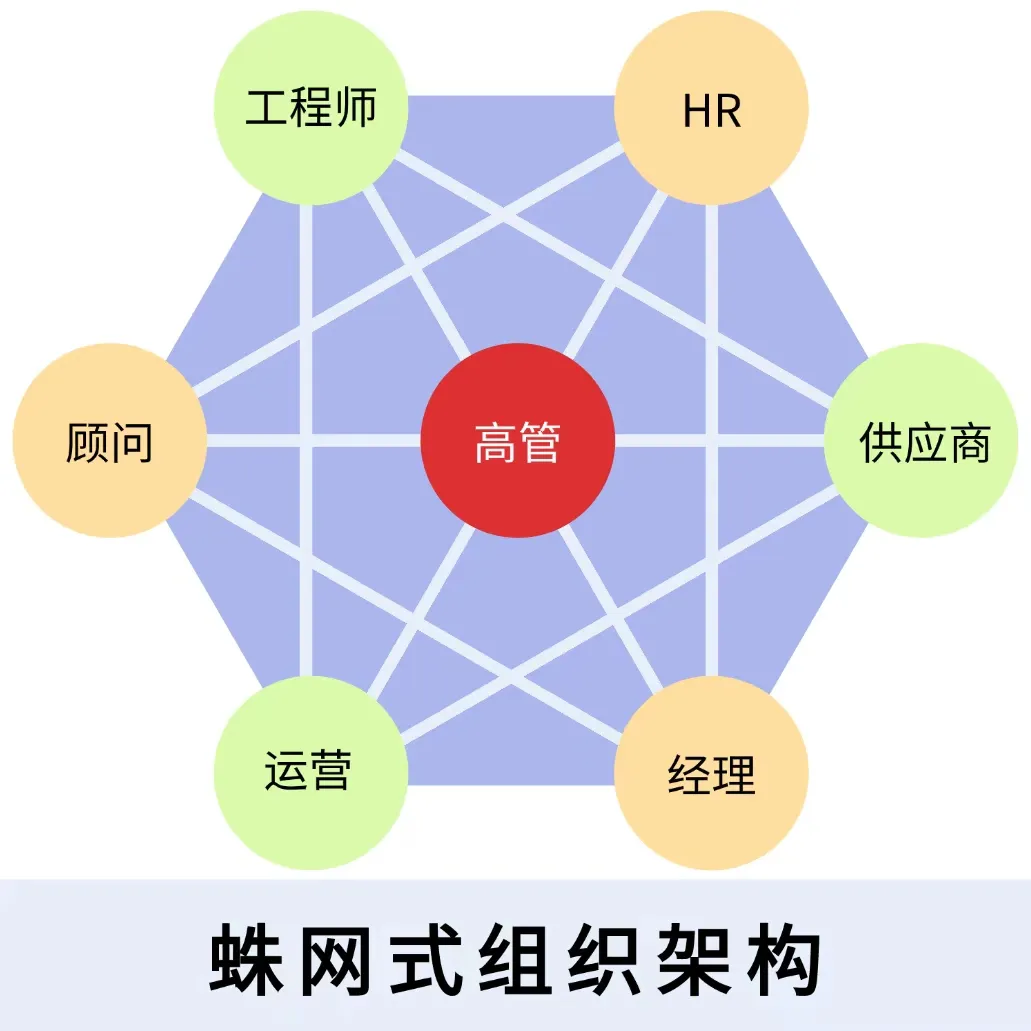
- •Future organizational models may shift toward 'spider-web' structures, replacing middle management with AI-coordinated workflows.
Deep Insight
Background and context from public sources — not the original article. 15 sources cited.
Enhanced Key Takeaways
- •A significant portion, around 59%, of AI-generated time savings in enterprises currently fails to translate into measurable business value or revenue, primarily because AI tools are often treated as add-ons rather than being deeply embedded into redesigned core workflows.
- •Initial AI adoption can lead to a 'J-curve' effect, where companies experience a temporary decline in productivity before realizing longer-term gains, especially if they lack prior digital maturity and fail to invest in complementary data infrastructure, staff training, and workflow redesign.
- •Gartner research indicates no direct correlation between AI-driven layoffs and a positive return on AI investment; instead, enterprises that achieve significant ROI from AI tend to invest in upskilling their workforce to effectively utilize AI tools.
- •The 'AI automation paradox' describes a market failure where individual firms gain short-term cost savings from AI-driven layoffs, but collectively, these actions erode the broader consumer base, potentially leading to long-term economic demand destruction.
- •Some companies that implemented AI-driven layoffs, such as Klarna and Block, have reportedly regretted these decisions and even rehired employees, realizing that AI could not fully replace human judgment, informal organizational structures, or maintain service quality.
Technical Deep Dive
- Data Compatibility and Quality: A major hurdle in enterprise AI integration is fragmented data across siloed systems (CRMs, ERPs, legacy applications) with incompatible formats, inconsistent terminologies, and quality issues (duplicates, inaccuracies), leading to unreliable AI outputs.
- Integration Complexity: AI tools are often layered onto complex, multi-system workflows without fundamental redesign, resulting in disconnected systems, partial automation, and inconsistent outputs rather than embedded productivity drivers.
- Lack of Observability and Governance: Multi-step AI agent pipelines can suffer from monitoring gaps, making it difficult to debug errors, optimize performance, or ensure compliance and accountability, especially when agents call external APIs or operate on sensitive data.
- Scalability Challenges: While pilot AI agents may handle single workflows effectively, scaling deployments across numerous agents introduces complexity in management overhead, identity provisioning, secrets rotation, and version tracking, potentially leading to agent sprawl and operational chaos.
Future ImplicationsAI analysis grounded in cited sources
Timeline
- Early 20th CenturyIndustrial automation (e.g., assembly lines, electricity) leads to job displacement and necessitates new skills.
- 1950s-1970sEarly computerization and data processing displace jobs in accounting, bookkeeping, and administrative support.
- Late 2022/Early 2023The widespread emergence of generative AI intensifies discussions about AI's potential to displace white-collar jobs.
- 2025Major companies like Amazon, Microsoft, and Salesforce announce significant layoffs, explicitly citing AI-driven efficiencies as a factor.
- Early 2026AI becomes a leading reason cited for layoffs, yet many executives report 'underwhelming' ROI from AI investments, and some companies begin to regret AI-driven cuts, even rehiring staff.
Sources (15)
Factual claims are grounded in the sources below. Forward-looking analysis is AI-generated interpretation.
Weekly AI Recap
Read this week's curated digest of top AI events →
AI-curated news aggregator. All content rights belong to original publishers.
Original source: 虎嗅 ↗
This is a summary, not the original. Read the source, or get the weekly briefing.
The weekly digest
One email a week. Unsubscribe anytime.