Why AI Models Are Naming Themselves Like Myths

💡Model names are becoming confusing; this explains how to design clearer capability and safety metadata for production sy
⚡ 30-Second TL;DR
What Changed
Apple's Pro Max label became a high-end positioning shortcut associated with larger displays, stronger cameras, longer battery life, and higher prices.
Why It Matters
For AI builders, naming is becoming part of product architecture rather than a cosmetic branding decision. Poorly structured names can obscure capability, pricing, and safety differences, while clear metadata and tiering can make model selection easier for developers and users.
What To Do Next
Create a model registry that maps every model name to explicit metadata for capability, latency, cost, modality, safety tier, and access scope instead of relying on names alone.
Key Points
- •Apple's Pro Max label became a high-end positioning shortcut associated with larger displays, stronger cameras, longer battery life, and higher prices.
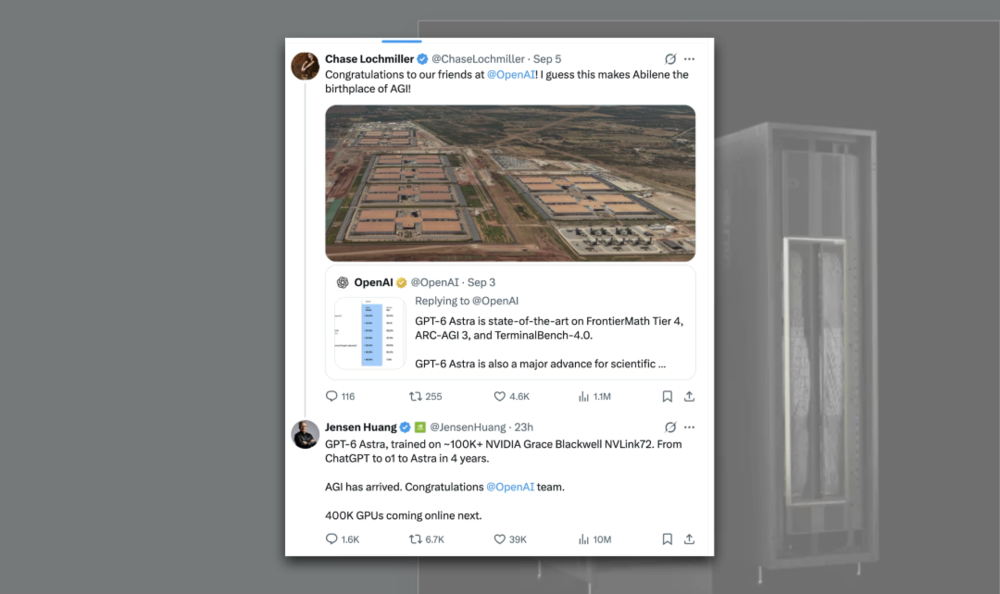
- •OpenAI has moved from numeric names such as GPT-4 and o1 toward names including Sol, Terra, Luna, and Astra.
- •Anthropic uses Haiku, Sonnet, and Opus for model tiers, with Fable and Mythos adding stronger narrative and safety distinctions.
- •AI model names must represent multiple dimensions, including reasoning ability, speed, cost, multimodality, safety, and access.
Weekly AI Recap
Read this week's curated digest of top AI events →
👉Related Updates



AI-curated news aggregator. All content rights belong to original publishers.
Original source: 虎嗅 ↗
This is a summary, not the original. Read the source, or get the weekly briefing.
Weekly AI briefing
One email a week. Unsubscribe anytime.