Why AI Funding Is Becoming Polarized
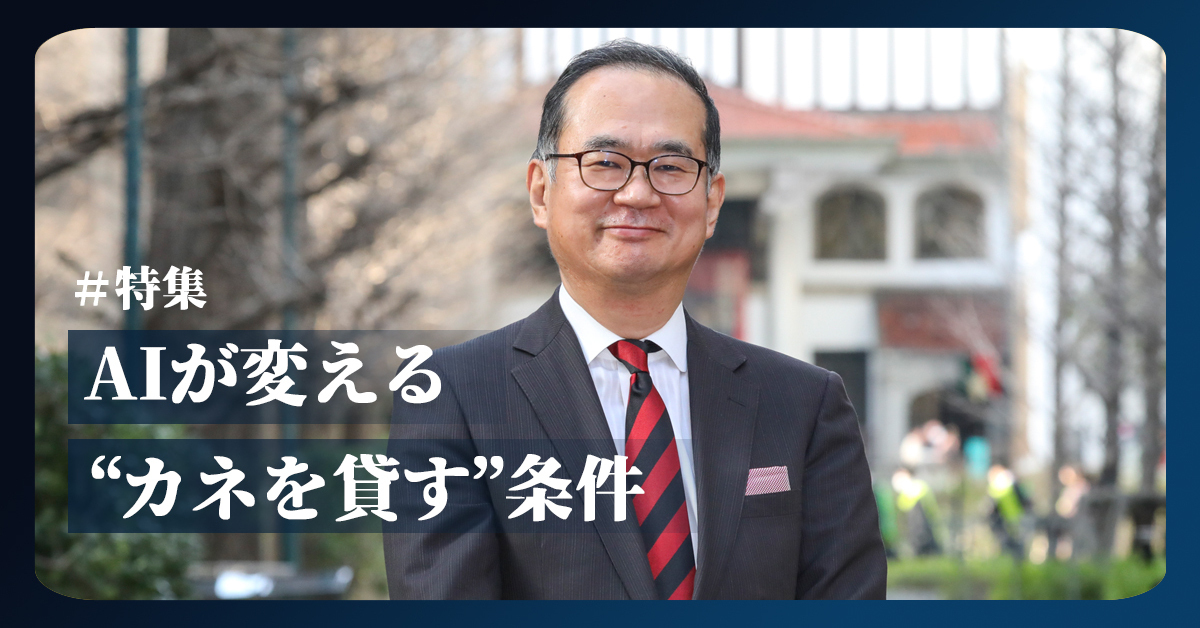
Learn why better AI screening may not translate into more diverse startup financing.
30-Second TL;DR
What Changed
Startup fundraising is described as increasingly polarized.
Why It Matters
Founders should not assume that improved AI evaluation systems automatically create broader access to capital. The distinction matters when designing fundraising strategies, investor outreach, and evidence of business quality.
What To Do Next
Audit your fundraising plan by separating AI-driven investor screening assumptions from concrete financing channels such as venture capital, strategic investors, and alternative funding.
Key Points
- •Startup fundraising is described as increasingly polarized.
- •AI-based screening sophistication and financing diversification are separate issues.
- •The analysis focuses on conditions that help companies survive a more selective funding environment.
Deep Insight
AI-generated analysis for this event — not the original article.
Enhanced Key Takeaways
- •The polarization in AI funding is driven by a 'flight to quality' where venture capital firms increasingly prioritize startups with proprietary data moats over those relying solely on open-source LLM wrappers.
- •Japanese government initiatives, such as the 'J-Startup' program, are attempting to bridge the funding gap by incentivizing domestic corporate venture capital (CVC) to invest in deep-tech AI despite global market volatility.
- •AI-driven due diligence tools are now being utilized by major VC firms to predict 'exit probability' by analyzing historical founder performance and patent citation networks, creating a feedback loop that favors established tech hubs.
- •There is a growing disconnect between the high valuation of foundational model developers and the stagnating seed-stage funding for AI-enabled vertical SaaS applications.
- •Hirokazu Hasegawa's research highlights that the 'AI divide' in financing is exacerbated by the high compute costs required to train models, which effectively excludes bootstrapped startups from competing with well-capitalized incumbents.
Future ImplicationsAI analysis grounded in cited sources
Timeline
- 2023-04Hirokazu Hasegawa begins formal research on the impact of digital transformation on corporate finance at Waseda Business School.
- 2024-11Publication of Hasegawa's preliminary findings on the 'AI Funding Gap' in Japanese academic journals.
- 2026-05Hasegawa presents updated analysis on startup survival rates in the era of automated VC screening at the Tokyo AI Investment Summit.
Weekly AI Recap
Read this week's curated digest of top AI events →
Related Updates
AI-curated news aggregator. All content rights belong to original publishers.
Original source: ITmedia AI+ (日本) ↗
This is a summary, not the original. Read the source, or get the weekly briefing.
The weekly digest
One email a week. Unsubscribe anytime.