Why AI shopping is failing to gain traction
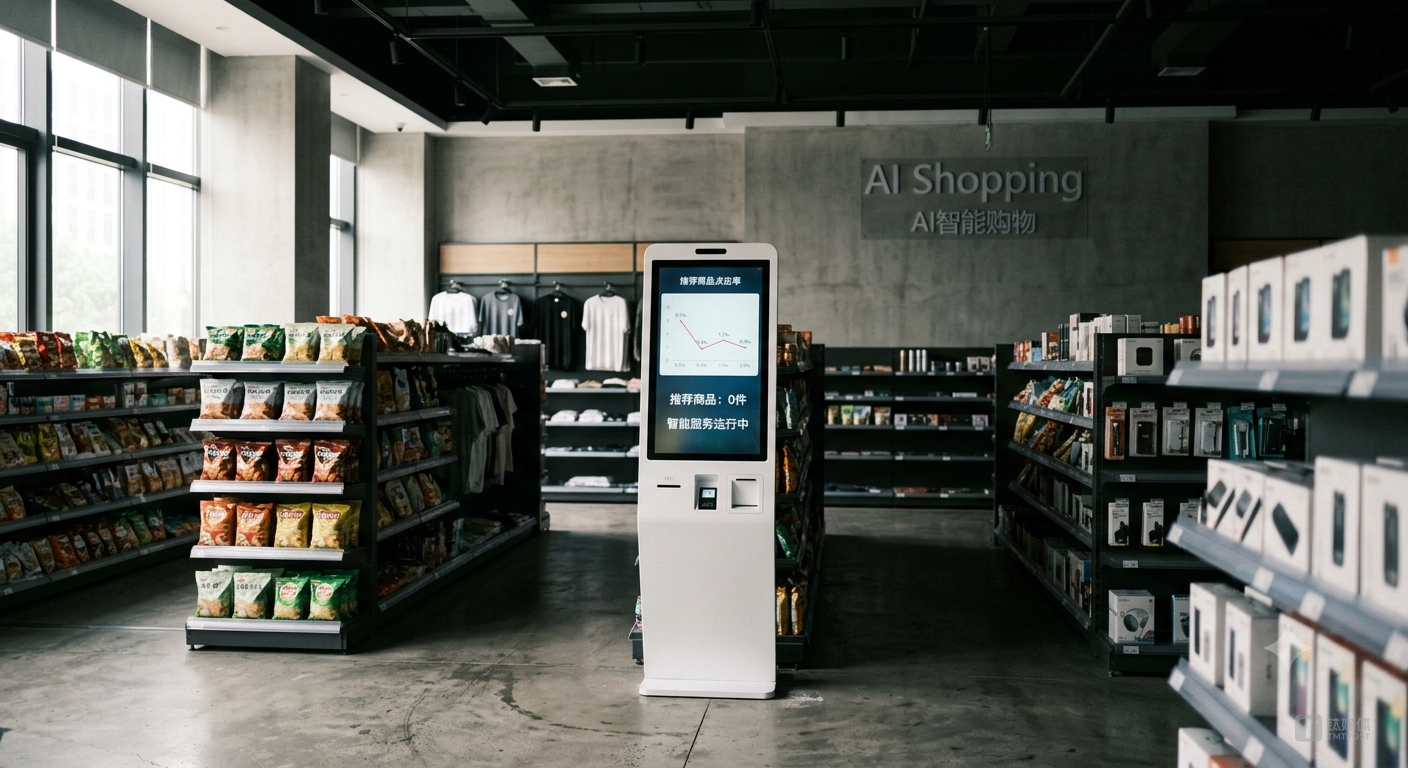
💡Understand the UX pitfalls preventing AI shopping from becoming a mainstream success.
⚡ 30-Second TL;DR
What Changed
Consumer skepticism towards current AI shopping implementations
Why It Matters
Highlights a critical need for product managers to focus on solving real user pain points rather than just integrating AI features.
What To Do Next
Conduct a usability audit on your AI shopping agent to identify where users drop off in the conversion funnel.
Key Points
- •Consumer skepticism towards current AI shopping implementations
- •Gap between marketing promises and practical utility
- •Identification of core friction points in the user journey
🧠 Deep Insight
AI-generated analysis for this event — not the original article.
🔑 Enhanced Key Takeaways
- •Data privacy concerns regarding the collection of personal shopping habits have led to a 15% decline in user opt-in rates for AI-driven personalization features in 2026.
- •Latency issues in real-time generative AI product recommendations are causing a 'bouncing' effect, where users abandon carts before the AI completes its analysis.
- •The 'Uncanny Valley' of product recommendations—where AI suggests items that are too specific or eerily accurate—has triggered a psychological backlash among privacy-conscious Gen Z consumers.
- •Integration costs for retailers to implement LLM-based shopping assistants have surged, leading to a reduction in R&D budgets for AI retail projects across major e-commerce platforms.
- •Current AI shopping models struggle with 'contextual nuance,' failing to distinguish between one-time gift purchases and long-term personal preferences, leading to irrelevant search results.
🛠️ Technical Deep Dive
- Current AI shopping agents primarily utilize RAG (Retrieval-Augmented Generation) architectures to pull from product databases, but suffer from high token costs when processing large-scale inventory metadata.
- Implementation of multi-modal models (Vision-Language Models) for visual search is currently limited by high inference latency on mobile devices, often requiring cloud-side processing that degrades user experience.
- Many systems rely on vector databases for semantic search, but struggle with 'cold start' problems where new products lack sufficient interaction data for accurate embedding placement.
🔮 Future ImplicationsAI analysis grounded in cited sources
⏳ Timeline
Weekly AI Recap
Read this week's curated digest of top AI events →
👉Related Updates



AI-curated news aggregator. All content rights belong to original publishers.
Original source: 钛媒体 ↗
This is a summary, not the original. Read the source, or get the weekly briefing.
The weekly digest
One email a week. Unsubscribe anytime.