White House report on Trump's science vision
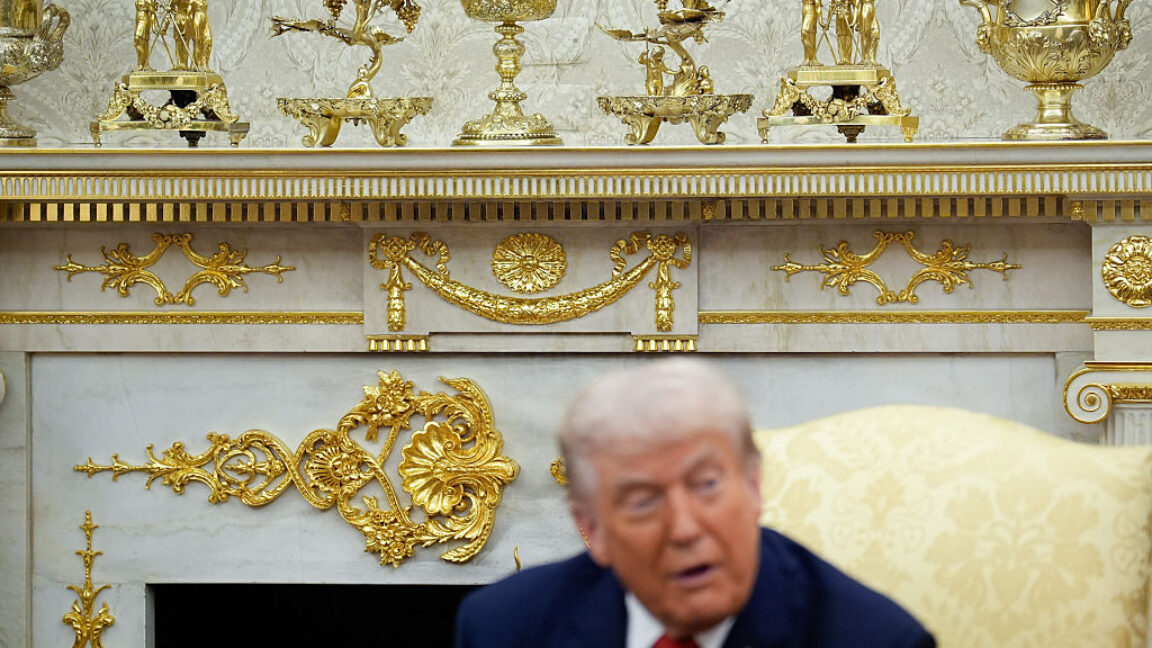
💡Understand potential shifts in US science policy that could impact federal AI research funding and priorities.
⚡ 30-Second TL;DR
What Changed
Report outlines a vision for a 'new golden age' of science
Why It Matters
This report may signal upcoming changes in federal research grants and AI-related scientific initiatives. Practitioners should monitor policy shifts that could affect R&D funding.
What To Do Next
Monitor federal agency budget announcements for changes in AI research grant priorities.
Key Points
- •Report outlines a vision for a 'new golden age' of science
- •Content blends substantive policy issues with political grievances
- •Signals potential shifts in federal research funding and priorities
🧠 Deep Insight
AI-generated analysis for this event — not the original article.
🔑 Enhanced Key Takeaways
- •The report emphasizes a pivot toward 'American-first' research priorities, specifically targeting the reduction of international collaborations that are perceived to compromise intellectual property security.
- •It proposes a significant restructuring of the National Science Foundation (NSF) and the National Institutes of Health (NIH) to prioritize applied industrial research over basic, curiosity-driven science.
- •The document explicitly calls for the elimination of diversity, equity, and inclusion (DEI) mandates in federal grant applications, framing them as ideological barriers to merit-based scientific advancement.
- •There is a stated intent to increase funding for nuclear energy and fossil fuel-related carbon capture technologies while simultaneously de-emphasizing climate change mitigation research.
- •The report advocates for a 'decentralization' of scientific advisory boards, aiming to replace career civil servants and academic experts with industry-aligned appointees.
🔮 Future ImplicationsAI analysis grounded in cited sources
⏳ Timeline
Weekly AI Recap
Read this week's curated digest of top AI events →
👉Related Updates
AI-curated news aggregator. All content rights belong to original publishers.
Original source: Ars Technica ↗
This is a summary, not the original. Read the source, or get the weekly briefing.
The weekly digest
One email a week. Unsubscribe anytime.