WeChat integrates with smartphone AI voice assistants
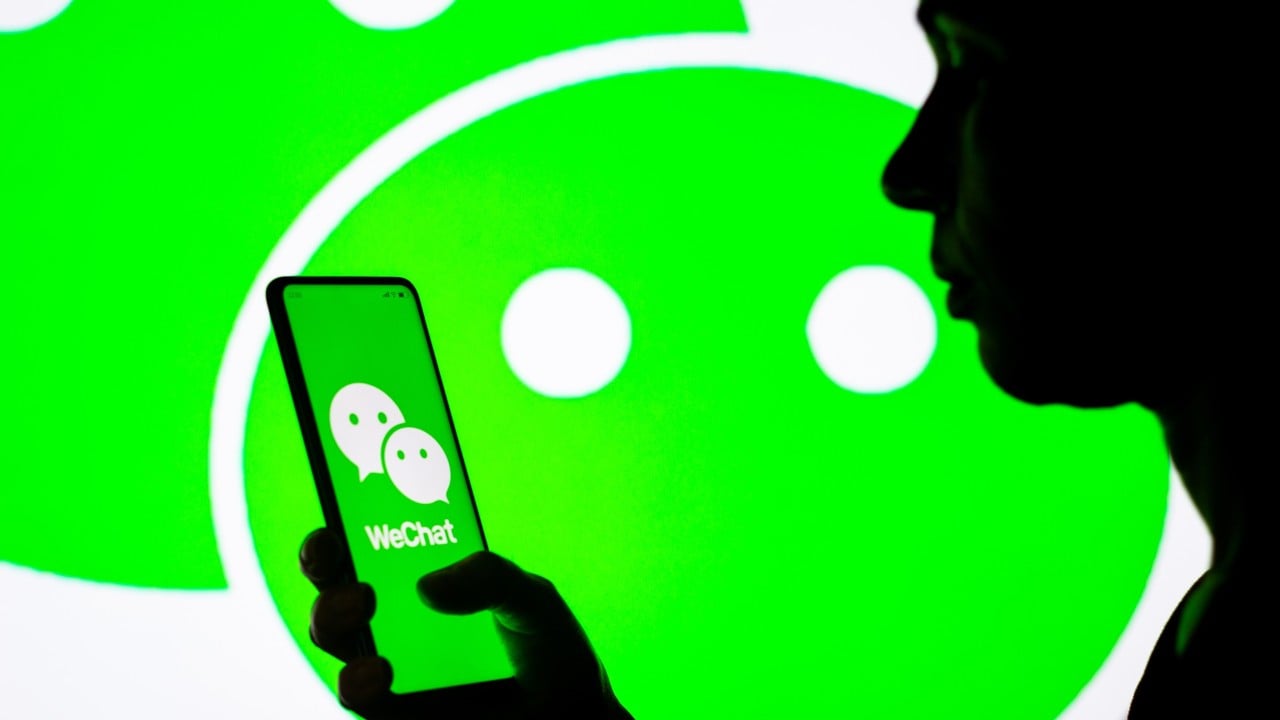
💡Learn how Tencent is adapting its massive ecosystem to survive the shift toward AI-native voice-controlled OS interfaces
⚡ 30-Second TL;DR
What Changed
WeChat enables system-level AI agents to perform in-app actions like messaging and calling.
Why It Matters
This integration signals a shift toward 'AI-native' app ecosystems where OS-level agents bypass traditional UI navigation. For developers, it highlights the necessity of building intent-based APIs to remain relevant in voice-first interaction models.
What To Do Next
Evaluate your app's deep-link and intent-handling capabilities to ensure compatibility with system-level AI agents.
Key Points
- •WeChat enables system-level AI agents to perform in-app actions like messaging and calling.
- •Partnerships include major Chinese smartphone manufacturers such as Huawei and Honor.
- •The initiative aims to prevent user churn by embedding WeChat into the emerging AI-native OS experience.
🧠 Deep Insight
Background and context from public sources — not the original article. 16 sources cited.
🔑 Enhanced Key Takeaways
- •WeChat's new "Agent-to-Agent (A2A) assistant capability" allows partner smartphone AI assistants (like Honor's YOYO) to directly initiate WeChat voice/video calls and send messages to designated contacts, operating under a dual-authorization mechanism for data security and privacy.
- •This integration represents a controlled opening of WeChat's historically closed ecosystem, serving as a low-risk pilot to gauge user acceptance of voice-based interactions while WeChat simultaneously refines its own native AI agent strategy.
- •Beyond external integrations, WeChat is also finalizing testing for an internal AI agent, expected to be activated by a right-swipe on the home screen, which will enable users to perform complex tasks like booking, ordering, and payments by orchestrating WeChat's vast mini-program ecosystem using natural language commands.
- •This internal AI agent is powered by Tencent's HunYuan and DeepSeek dual-engine system and is considered a top strategic priority, aiming to transform WeChat from a service-seeking platform to one where AI completes tasks for users.
🛠️ Technical Deep Dive
- The integration utilizes an "Agent-to-Agent (A2A) collaboration mechanism" where the device manufacturer's AI assistant sends commands to WeChat, which then executes them and returns results.
- A "dual-authorization mechanism" is employed to ensure data security and compliance with privacy regulations for the A2A capability.
- For WeChat's internal AI agent, it is designed to orchestrate its ecosystem of millions of mini-programs, WeChat Pay, Official Accounts, Channels, and WeCom.
- This internal agent is reportedly powered by Tencent's HunYuan and DeepSeek dual-engine system.
- The interaction entry point for the internal AI agent is planned to be a right-swipe on the WeChat home screen to open an AI chat window.
🔮 Future ImplicationsAI analysis grounded in cited sources
⏳ Timeline
📎 Sources (16)
Factual claims are grounded in the sources below. Forward-looking analysis is AI-generated interpretation.
Weekly AI Recap
Read this week's curated digest of top AI events →
👉Related Updates
AI-curated news aggregator. All content rights belong to original publishers.
Original source: SCMP Technology ↗
This is a summary, not the original. Read the source, or get the weekly briefing.
The weekly digest
One email a week. Unsubscribe anytime.