Wayve Self-Driving Taxi Masters London Chaos
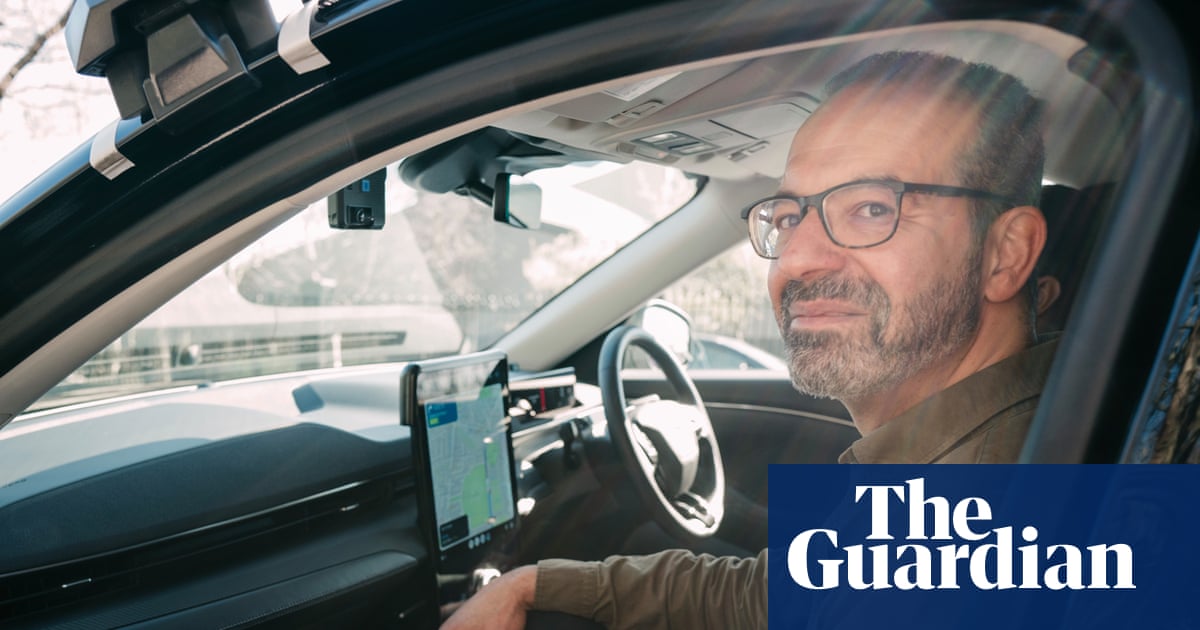
💡End-to-end AI conquers London's medieval roads—robotaxis launch 2025. Key for AV builders.
⚡ 30-Second TL;DR
What Changed
Uses end-to-end AI that learns driving decisions without explicit instructions
Why It Matters
Accelerates adoption of embodied AI in real-world urban mobility, challenging traditional rule-based AV systems. Positions Wayve as leader in scalable self-driving tech for dense cities like London.
What To Do Next
Test Wayve's AV simulation tools on their developer portal for end-to-end learning experiments.
Key Points
- •Uses end-to-end AI that learns driving decisions without explicit instructions
- •Smoothly manages complex urban scenarios like unprotected turns in heavy traffic
- •Plans commercial robotaxi fares in London by end of 2025
- •Outperforms average human drivers per journalist's test ride
🧠 Deep Insight
Background and context from public sources — not the original article. 6 sources cited.
🔑 Enhanced Key Takeaways
- •Wayve raised $1.5 billion in Series D funding, led by Eclipse, Balderton, and SoftBank Vision Fund 2, with participation from Mercedes-Benz, Nissan, Stellantis, and others, valuing the company at $8.6 billion.[1][3]
- •Wayve partnered with Uber for L4 robotaxi commercial trials starting in spring 2026 in London, with plans to expand to over 10 global markets; Uber will own and operate the fleet.[1][2]
- •Wayve's AI Driver achieved 'zero-shot' deployment in over 500 cities across Europe, North America, and Japan in one year, operating without prior city-specific fine-tuning.[1]
- •From 2027, Wayve plans to license its AI Driver for L2+ hands-off consumer vehicles to automakers, signed a deal with Nissan for sales in Japan and North America by 2027.[1][4]
📊 Competitor Analysis▸ Show
| Competitor | Key Features | Launch Timeline in London | Partnerships/Benchmarks |
|---|---|---|---|
| Wayve | End-to-end AI, zero-shot in 500+ cities, no HD maps | Spring 2026 trials with Uber | $1.5B funding, L4 vehicles [1][2] |
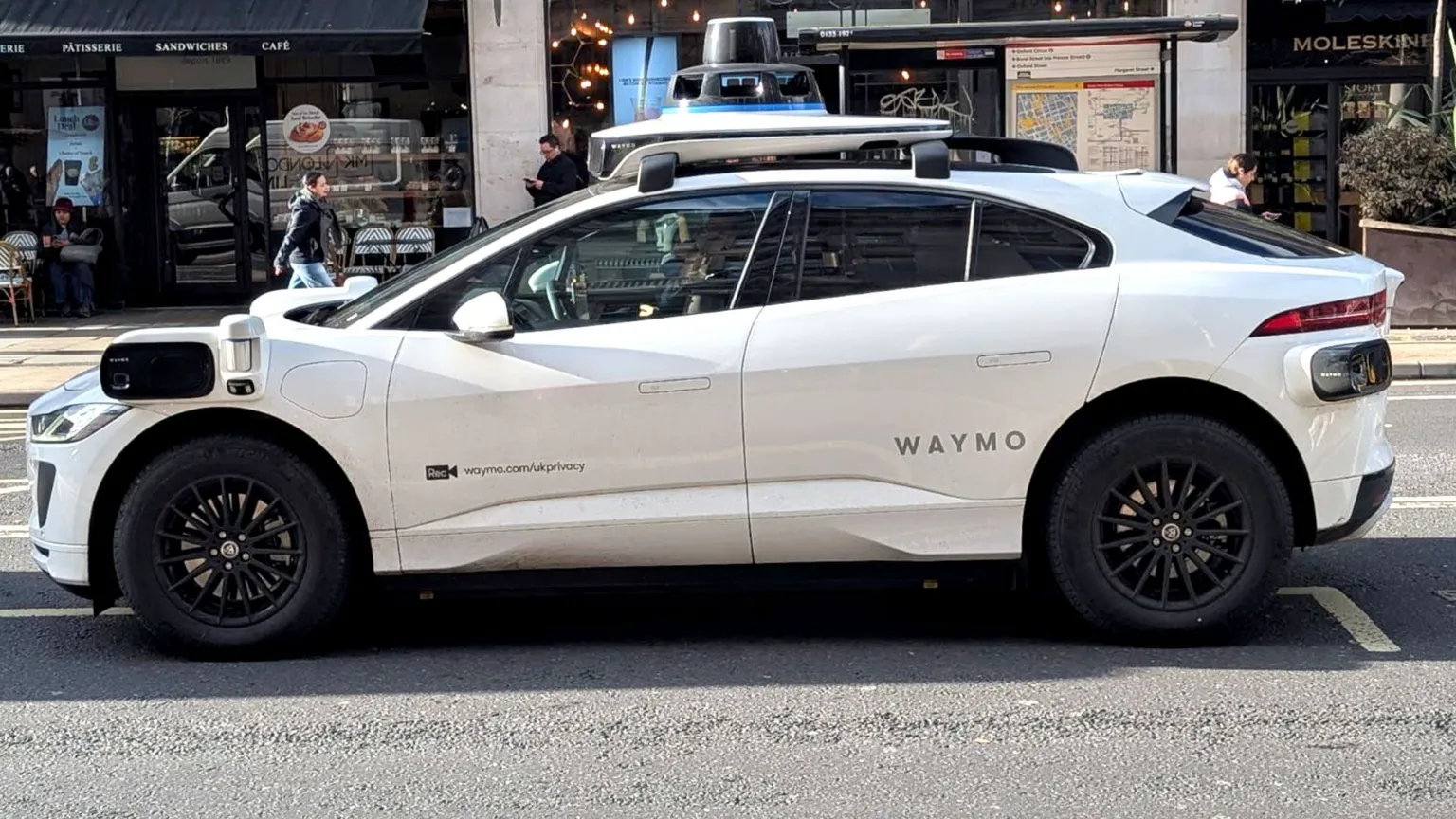
| Waymo | HD maps + rules-based, Jaguar I-Pace tests | Q4 2026 launch | Alphabet unit, US expansion [4][5] |
| Baidu (Apollo Go) | Autonomous service | 2026 pilot | Partnerships with Uber/Lyft [4] |
🛠️ Technical Deep Dive
- •Wayve uses end-to-end embodied AI (AV2.0) that learns driving from video data and patterns without high-definition maps or hand-coded safety rules.[3][4]
- •System enables zero-shot generalization, deploying in new cities without fine-tuning, tested across 500+ cities in Europe, NA, Japan.[1]
- •AI Driver is licensed as software/hardware for any vehicle, starting L4 for robotaxis, L2+ supervised for consumer cars.[1][4]
🔮 Future ImplicationsAI analysis grounded in cited sources
⏳ Timeline
📎 Sources (6)
Factual claims are grounded in the sources below. Forward-looking analysis is AI-generated interpretation.
- dmnews.co.uk — Wayve Secures 1 5bn to Scale Global Autonomy Platform with London Robotaxi Trials Confirmed for 2026
- automotiveworld.com — Uber and Wayve to Trial London Robotaxis in Spring 2026
- itv.com — Driverless Car Firm Wayve Bags 11bn Investment to Help Launch on UK Roads
- techxplore.com — 2026 02 Robotaxis London City Famed Black
- ca.investing.com — US Robotaxi Group Waymo Aims to Launch in London by Fourth Quarter of 2026 4424272
- youtube.com — Watch
Weekly AI Recap
Read this week's curated digest of top AI events →
👉Related Updates

AI-curated news aggregator. All content rights belong to original publishers.
Original source: The Guardian Technology ↗
This is a summary, not the original. Read the source, or get the weekly briefing.
Weekly AI briefing
One email a week. Unsubscribe anytime.