Waymo Robotaxi Rides Remain Free Due to Regulatory Delay

💡Understand the regulatory hurdles facing autonomous fleet deployment and commercialization strategies.
⚡ 30-Second TL;DR
What Changed
Regulatory delays are impacting Waymo's monetization strategy in California
Why It Matters
This regulatory bottleneck serves as a case study for AI companies navigating the transition from testing to commercial deployment in public spaces.
What To Do Next
Review local autonomous vehicle regulatory frameworks if you are developing software for fleet management or robotics.
Key Points
- •Regulatory delays are impacting Waymo's monetization strategy in California
- •Ojai vehicle fleet rides are currently offered at no cost to users
- •The situation highlights the complex legal landscape for autonomous vehicle deployment
🧠 Deep Insight
AI-generated analysis for this event — not the original article.
🔑 Enhanced Key Takeaways
- •The regulatory delay stems from a specific dispute between the California Public Utilities Commission (CPUC) and local Ojai municipal authorities regarding autonomous vehicle (AV) zoning ordinances.
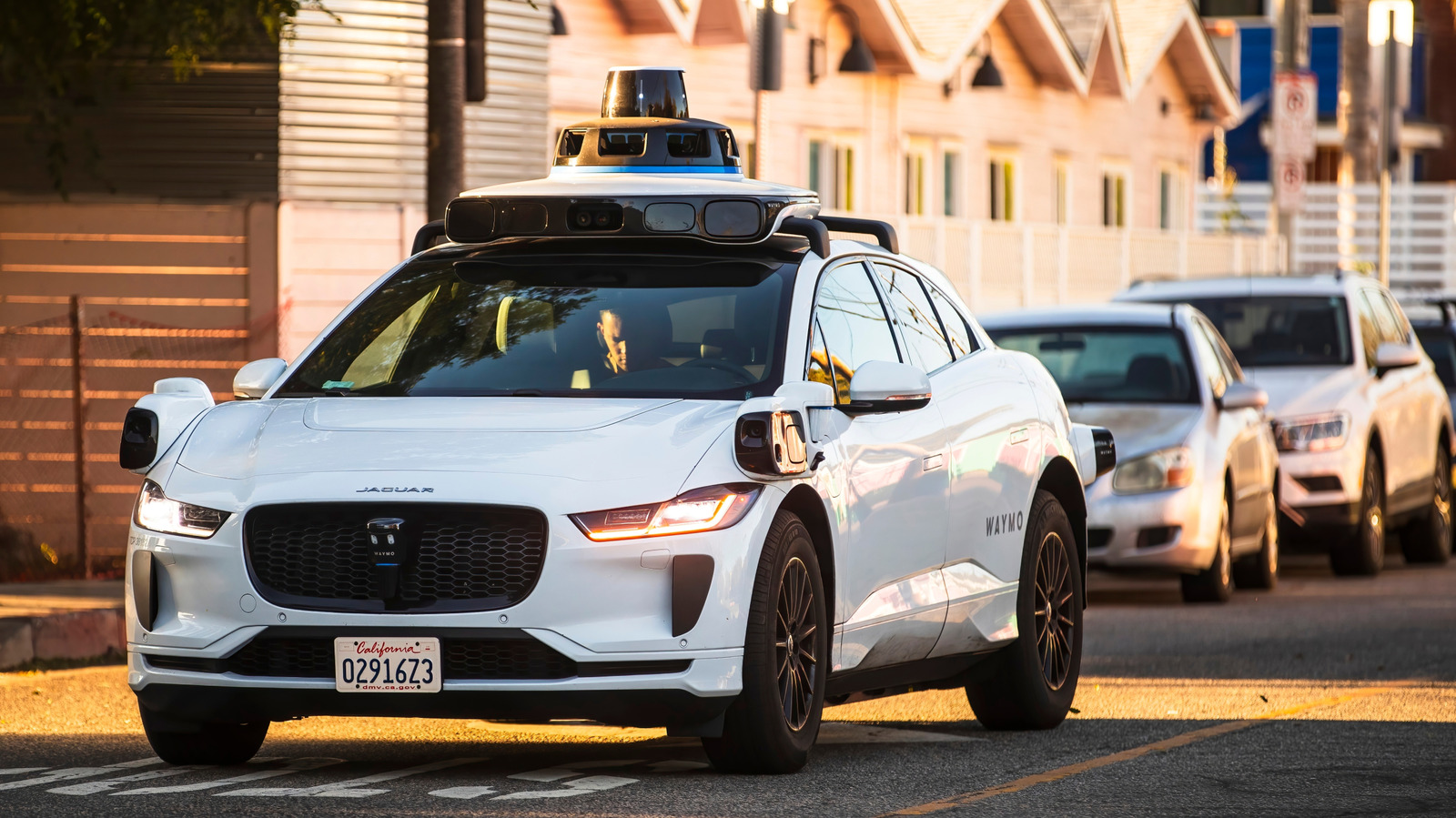
- •Waymo's Ojai expansion utilizes a modified version of the Jaguar I-PACE platform, specifically tuned for the region's unique topography and narrow street infrastructure.
- •While rides are free, Waymo is currently collecting anonymized passenger feedback and safety data to satisfy the CPUC's 'Phase 2' operational requirements for commercial permit approval.
- •Local labor unions in Ventura County have filed formal petitions challenging the safety certification of the Ojai fleet, contributing to the administrative backlog.
- •The CPUC has scheduled a public evidentiary hearing for late August 2026 to address the municipal zoning conflicts, which is the primary hurdle for lifting the current fare-free status.
📊 Competitor Analysis▸ Show
| Feature | Waymo (Ojai) | Zoox | Cruise |
|---|---|---|---|
| Vehicle Platform | Jaguar I-PACE | Purpose-built Carriage | Chevrolet Bolt / Origin |
| Current Status | Free (Regulatory Delay) | Limited Commercial | Testing/Restricted |
| Operational Design | Urban/Suburban | Dense Urban | Urban |
| Safety Driver | None | None | None |
🛠️ Technical Deep Dive
- The Ojai fleet utilizes Waymo's 6th-generation hardware suite, featuring improved long-range LiDAR sensors capable of detecting small objects at 500+ meters.
- The vehicle software stack incorporates a new 'Topographic Awareness Module' designed to handle the specific elevation changes and winding roads characteristic of the Ojai Valley.
- Communication latency is minimized through a localized edge-computing node deployed in Ojai, allowing for real-time path planning without relying solely on cloud-based processing.
- The sensor fusion architecture has been updated to better account for high-glare conditions common in the Ojai Valley, utilizing polarized filtering on camera inputs.
🔮 Future ImplicationsAI analysis grounded in cited sources
⏳ Timeline
Weekly AI Recap
Read this week's curated digest of top AI events →
👉Related Updates


AI-curated news aggregator. All content rights belong to original publishers.
Original source: Wired ↗
This is a summary, not the original. Read the source, or get the weekly briefing.
Weekly AI briefing
One email a week. Unsubscribe anytime.