Wahala App launches for public incident reporting
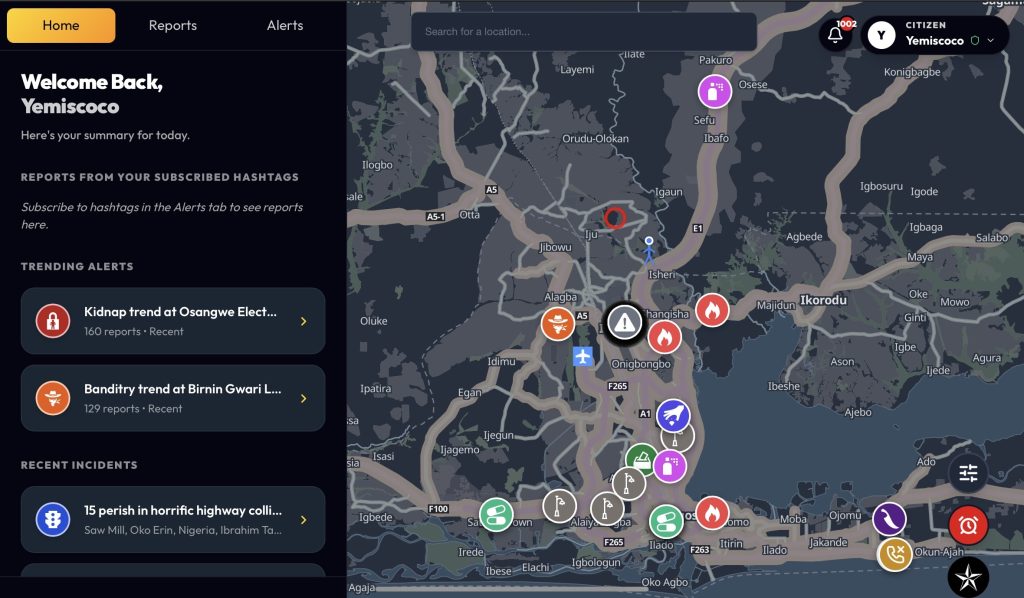
💡See how structured incident reporting apps can provide valuable training data for urban safety AI models.
⚡ 30-Second TL;DR
What Changed
Platform built specifically for public incident reporting
Why It Matters
The app creates a structured dataset of public safety incidents, which could be leveraged for predictive AI modeling in urban safety and emergency response.
What To Do Next
Explore the potential for integrating NLP models to automatically categorize and prioritize incoming incident reports in real-time.
Key Points
- •Platform built specifically for public incident reporting
- •Leverages social urgency for real-time safety data collection
- •Aims to replace ad-hoc social media reporting with structured data
🧠 Deep Insight
AI-generated analysis for this event — not the original article.
🔑 Enhanced Key Takeaways
- •The app utilizes geo-fencing technology to allow users to report incidents within specific proximity, ensuring data is localized to the relevant community.
- •Wahala App integrates a verification layer that cross-references reports with local emergency services or community moderators to reduce misinformation.
- •The platform includes an anonymous reporting feature designed to protect whistleblowers and victims in regions where social stigma or retaliation is a concern.
- •Data collected by the app is structured to be exportable for NGOs and municipal authorities to identify safety hotspots and crime trends.
- •The development team behind Wahala App has partnered with local civil society organizations to ensure the platform complies with regional data privacy regulations.
📊 Competitor Analysis▸ Show
| Feature | Wahala App | Citizen | Ushahidi |
|---|---|---|---|
| Primary Focus | Public Incident Reporting | Real-time Safety Alerts | Crisis Mapping |
| Data Structure | Structured/Verified | Crowdsourced/Real-time | Open-source/Crowdsourced |
| Pricing | Free (Ad-supported/B2B) | Freemium | Open Source/Enterprise |
🛠️ Technical Deep Dive
- Architecture: Built on a microservices framework using Node.js for the backend to handle high-concurrency reporting during peak incident times.
- Database: Utilizes PostgreSQL with PostGIS extension for advanced geospatial querying and incident mapping.
- Security: Implements end-to-end encryption for user-to-moderator communications and AES-256 for data at rest.
- Integration: Provides a RESTful API for third-party integration with municipal emergency response systems.
- Client-side: Developed using React Native to ensure cross-platform compatibility on low-end mobile devices common in the target market.
🔮 Future ImplicationsAI analysis grounded in cited sources
⏳ Timeline
Weekly AI Recap
Read this week's curated digest of top AI events →
👉Related Updates
AI-curated news aggregator. All content rights belong to original publishers.
Original source: TechCabal ↗
This is a summary, not the original. Read the source, or get the weekly briefing.
Weekly AI briefing
One email a week. Unsubscribe anytime.