VueBuds Earbuds Narrate Views Live via VLM
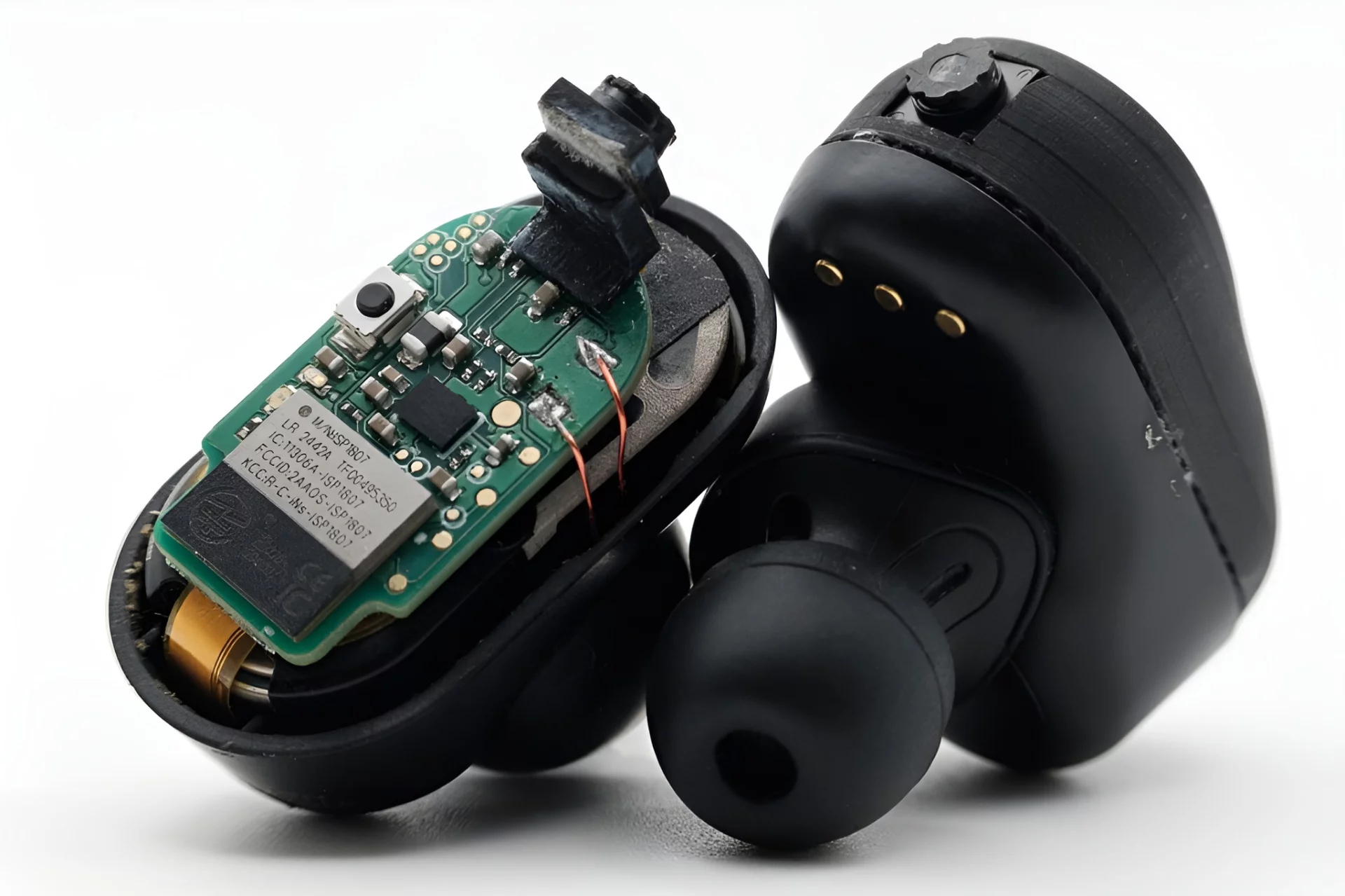
💡VLM-powered earbuds narrate surroundings in real-time—wearable vision AI breakthrough for researchers.
⚡ 30-Second TL;DR
What Changed
Embedded micro cameras in TWS earbuds
Why It Matters
Pioneers wearable AI vision assistants, potentially aiding visually impaired users and advancing AR audio experiences. Could inspire consumer hardware integrations of VLMs.
What To Do Next
Prototype similar apps using LLaVA or GPT-4V APIs for vision-to-speech conversion.
Key Points
- •Embedded micro cameras in TWS earbuds
- •VLM enables real-time voice narration of views
- •Supports object recognition and on-the-fly translation
- •Voice-interactive prototype from UW team
🧠 Deep Insight
AI-generated analysis for this event — not the original article.
🔑 Enhanced Key Takeaways
- •The system utilizes a custom-built 'privacy-first' architecture where image processing is offloaded to a paired smartphone to minimize latency and power consumption on the earbuds themselves.
- •Researchers addressed the 'social acceptability' challenge by designing the camera housing to be visually indistinguishable from standard earbud sensors, aiming to reduce bystander discomfort.
- •The VLM integration leverages a lightweight, distilled version of a multimodal model optimized specifically for low-bandwidth, high-latency audio feedback loops.
📊 Competitor Analysis▸ Show
| Feature | VueBuds (UW) | Meta Ray-Ban Smart Glasses | OrCam MyEye |
|---|---|---|---|
| Form Factor | TWS Earbuds | Smart Glasses | Wearable Camera |
| Primary Input | Micro-cameras | Camera/Audio | Camera |
| Primary Output | Audio Narration | Audio/Visual | Audio |
| Pricing | Research Prototype | ~$299+ | ~$3,500+ |
| Target User | Accessibility/General | General/Social | Visually Impaired |
🛠️ Technical Deep Dive
- Architecture: Employs a client-server model where the earbud captures low-resolution frames and transmits them via Bluetooth to a mobile application.
- Model: Uses a fine-tuned vision-language model (VLM) capable of zero-shot object detection and OCR (Optical Character Recognition).
- Latency: Optimized for a sub-2-second delay between image capture and audio synthesis.
- Hardware: Integrates ultra-low-power CMOS image sensors typically used in medical endoscopes to fit within the constrained volume of a TWS earbud chassis.
🔮 Future ImplicationsAI analysis grounded in cited sources
⏳ Timeline
Weekly AI Recap
Read this week's curated digest of top AI events →
👉Related Updates
AI-curated news aggregator. All content rights belong to original publishers.
Original source: cnBeta (Full RSS) ↗
This is a summary, not the original. Read the source, or get the weekly briefing.
The weekly digest
One email a week. Unsubscribe anytime.