📱Engadget•Freshcollected in 20m
Vital Signals launches blood pressure monitoring ring
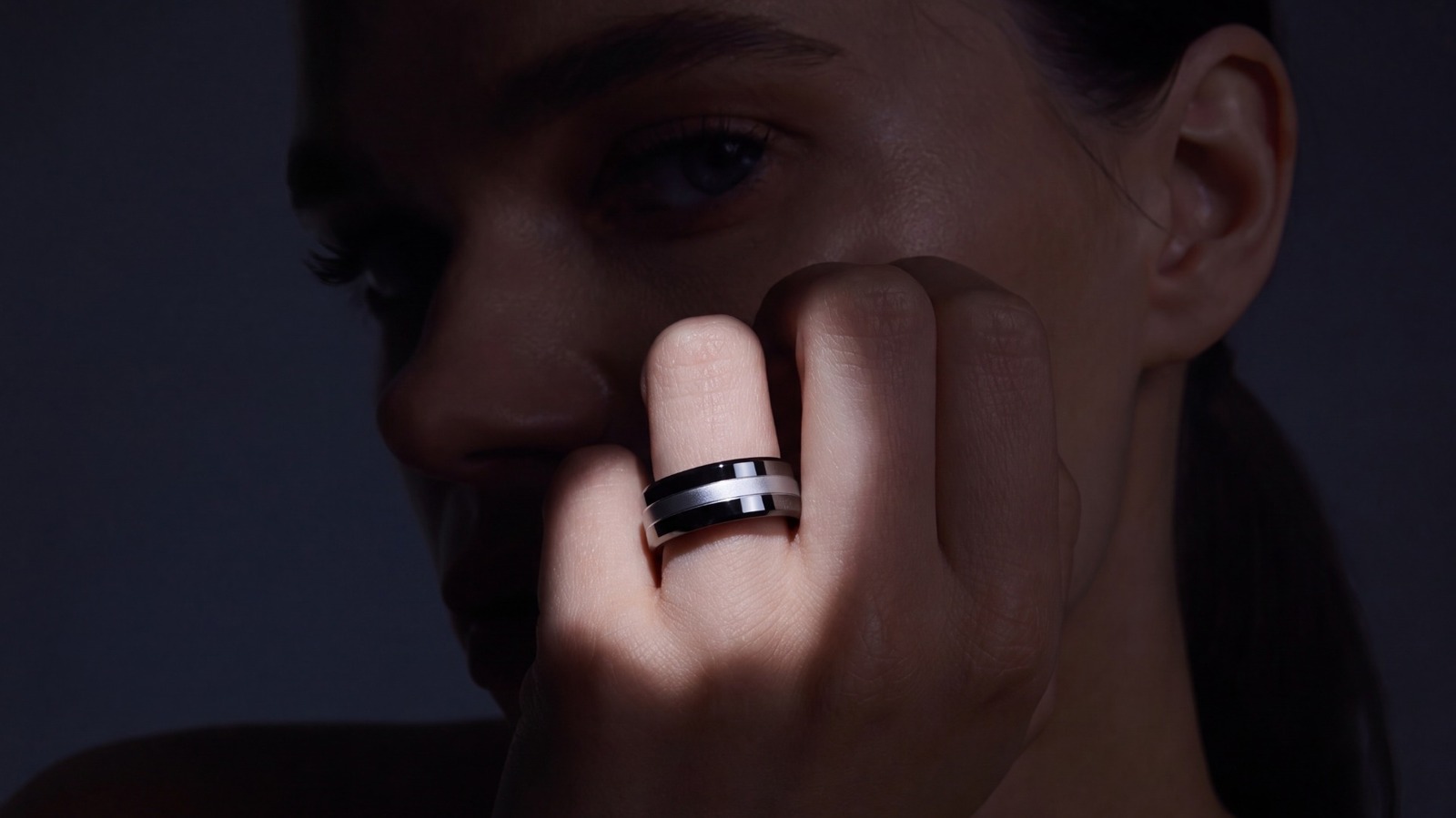
💡See how wearable sensor data is being processed by AI algorithms to revolutionize personalized health monitoring.
⚡ 30-Second TL;DR
What Changed
Continuous blood pressure tracking via wearable ring
Why It Matters
Continuous monitoring devices are moving from clinical settings to consumer wearables, providing richer datasets for health-focused AI models.
What To Do Next
Explore the potential of integrating wearable health data APIs into your AI health-coaching applications.
Who should care:Developers & AI Engineers
Key Points
- •Continuous blood pressure tracking via wearable ring
- •Targets hypertension and cardiac condition management
- •Uses algorithmic processing for health data analysis
🧠 Deep Insight
AI-generated analysis for this event.
🔑 Enhanced Key Takeaways
- •Vital Signals utilizes a multi-wavelength photoplethysmography (PPG) sensor array to estimate pulse transit time (PTT) for cuffless blood pressure estimation.
- •The device has received FDA 510(k) clearance as a Class II medical device specifically for monitoring hypertension in adults.
- •The ring features a battery life of up to 7 days, significantly longer than the 24-48 hour average of previous-generation clinical wearables.
- •Data integration is handled through the Vital Signals Cloud, which provides encrypted API access for integration with electronic health records (EHR) systems like Epic and Cerner.
- •The proprietary algorithm was trained on a diverse clinical dataset of over 50,000 patients to mitigate skin tone bias often found in optical heart rate sensors.
📊 Competitor Analysis▸ Show
| Feature | Vital Signals Ring | Oura Ring Gen 4 | Samsung Galaxy Ring |
|---|---|---|---|
| Blood Pressure Monitoring | Yes (Clinical Grade) | No | No |
| Battery Life | 7 Days | 8 Days | 7 Days |
| FDA Clearance | Yes | No | No |
| Primary Focus | Hypertension Management | Sleep & Readiness | General Wellness |
🛠️ Technical Deep Dive
- Sensor Suite: Integrated 4-channel PPG sensor, 3-axis accelerometer, and skin temperature thermistor.
- Connectivity: Bluetooth Low Energy (BLE) 5.3 with AES-256 bit encryption for data transmission.
- Processing: On-device edge computing for real-time heart rate variability (HRV) and PTT calculation to reduce latency.
- Material: Hypoallergenic medical-grade titanium shell with a biocompatible resin inner molding.
- Calibration: Requires initial 7-day calibration period against a traditional oscillometric cuff to establish baseline blood pressure metrics.
🔮 Future ImplicationsAI analysis grounded in cited sources
Vital Signals will disrupt the remote patient monitoring (RPM) market.
The combination of clinical-grade accuracy and continuous monitoring allows physicians to bill for RPM codes more effectively than with intermittent cuff-based devices.
Insurance providers will begin subsidizing the Vital Signals ring for high-risk patients.
The ability to provide actionable, continuous data for hypertension management reduces the long-term costs associated with stroke and cardiovascular event hospitalizations.
⏳ Timeline
2024-03
Vital Signals founded by former biomedical engineers from Stanford and MIT.
2025-06
Completion of pivotal clinical trial involving 1,200 participants for blood pressure accuracy.
2026-02
Company secures FDA 510(k) clearance for the Vital Signals Ring.
2026-07
Official commercial launch of the Vital Signals Ring.
📰
Weekly AI Recap
Read this week's curated digest of top AI events →
👉Related Updates
AI-curated news aggregator. All content rights belong to original publishers.
Original source: Engadget ↗