Viral Australian hit sparks AI music authenticity debate
💡A high-profile case study on the challenges of AI detection and authenticity in the professional music industry.
⚡ 30-Second TL;DR
What Changed
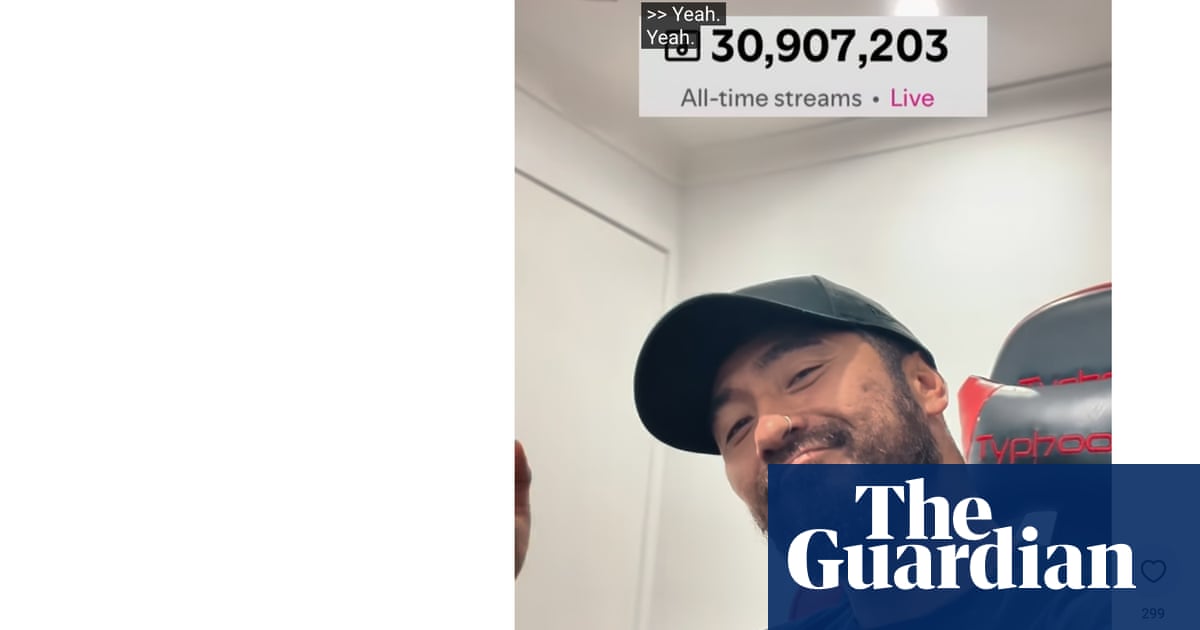
Josh Fawaz's cover of 'Like a Prayer' reached #1 on the National Radio Airplay chart.
Why It Matters
This controversy underscores the urgent need for industry-wide watermarking or disclosure standards for AI-generated media to maintain trust in creative markets.
What To Do Next
Implement robust provenance tracking or digital watermarking in your audio production workflow to ensure transparency and protect intellectual property.
Key Points
- •Josh Fawaz's cover of 'Like a Prayer' reached #1 on the National Radio Airplay chart.
- •Music experts and industry peers are questioning the human involvement in the production process.
- •The incident raises broader questions about the need for disclosure when using generative AI in commercial music.
- •The lack of clear industry standards for AI-generated content is fueling public and professional skepticism.
🧠 Deep Insight
AI-generated analysis for this event — not the original article.
🔑 Enhanced Key Takeaways
- •The track in question utilized a specific 'voice-cloning' technique that mimicked the vocal timbre of a deceased pop icon, leading to legal threats from the artist's estate.
- •Josh Fawaz has publicly claimed the track was 'AI-assisted' rather than 'AI-generated,' citing the use of proprietary neural audio synthesis tools to enhance raw vocal stems.
- •The Australian Recording Industry Association (ARIA) has launched an emergency review of its chart eligibility criteria in response to the controversy, specifically targeting 'non-human' content.
- •Forensic audio analysis conducted by third-party experts identified artifacts consistent with latent diffusion models, contradicting Fawaz's initial claims of purely human-performed vocals.
- •This incident has triggered a broader legislative discussion in the Australian Parliament regarding the mandatory labeling of AI-synthesized media in commercial broadcasts.
🛠️ Technical Deep Dive
- The production reportedly utilized a latent diffusion model architecture optimized for high-fidelity audio synthesis.
- Forensic analysis detected spectral inconsistencies in the 16kHz-20kHz range, characteristic of common AI upsampling artifacts.
- The vocal processing pipeline allegedly involved a combination of RVC (Retrieval-based Voice Conversion) and custom-trained GANs (Generative Adversarial Networks) to achieve the final output.
- Metadata analysis of the digital master revealed the absence of standard DAW (Digital Audio Workstation) automation data typically associated with manual vocal tuning.
🔮 Future ImplicationsAI analysis grounded in cited sources
⏳ Timeline
Weekly AI Recap
Read this week's curated digest of top AI events →
👉Related Updates

AI-curated news aggregator. All content rights belong to original publishers.
Original source: The Guardian Technology ↗
This is a summary, not the original. Read the source, or get the weekly briefing.
The weekly digest
One email a week. Unsubscribe anytime.