UW Researcher Brings Superhuman Hearing to Earbuds
💡See how on-device AI could give earbuds real-time speech separation without relying on the cloud.
⚡ 30-Second TL;DR
What Changed
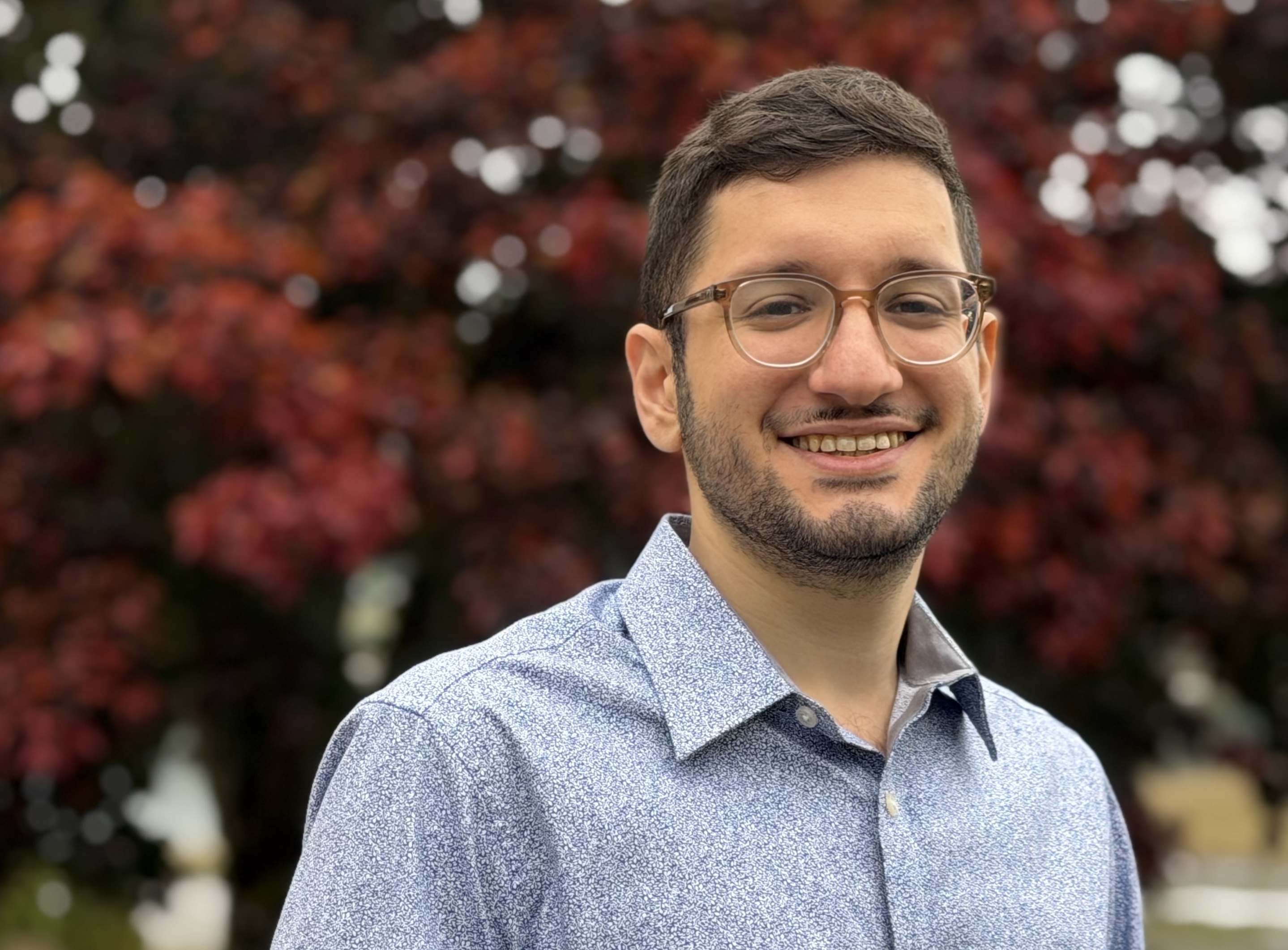
Malek Itani co-founded the AI-powered sound enhancement startup Hearvana.
Why It Matters
On-device speech separation could make advanced hearing assistance more private, responsive, and battery-efficient. If commercialized at scale, the approach may expand AI audio capabilities beyond smartphones and cloud-connected devices.
What To Do Next
Prototype a low-power target-speech-extraction pipeline and benchmark latency, battery use, and separation quality on an earbud-class device.
Key Points
- •Malek Itani co-founded the AI-powered sound enhancement startup Hearvana.
- •The algorithms perform real-time target speech extraction directly on low-power hearables.
- •Key capabilities include sound bubbles and semantic hearing for earbuds and hearing aids.
- •Itani was recognized with a top Marconi award for the research.
🧠 Deep Insight
Background and context from public sources — not the original article. 6 sources cited.
🔑 Enhanced Key Takeaways
- •Hearvana secured $6 million in pre-seed funding to transition their acoustic intelligence research from the University of Washington lab to commercial consumer hardware.
- •The technology utilizes a specialized neural network architecture known as IF-MLPNet, which is optimized to run on low-power chips without the latency or battery drain associated with cloud-based processing.
- •The 'sound bubble' feature provides a significant acoustic reduction of 49 decibels for sounds originating outside the user-defined 3 to 6-foot radius.
- •The system includes a speaker enrollment feature that isolates a specific individual's voice after the user looks at them for a 3–5 second duration.
- •In late 2025, the research team implemented a proactive conversation isolation feature that uses the natural rhythm of turn-taking in speech to automatically identify and prioritize active conversation partners.
📊 Competitor Analysis▸ Show
| Feature | Hearvana (UW Research) | Apple (AirPods Pro/Hearing Aid) |
|---|---|---|
| Primary Focus | Superhuman/Selective Hearing | Clinical-grade restoration/Adaptive Audio |
| Processing | On-device (IF-MLPNet) | On-device (H2 Chip) |
| Speaker Isolation | Visual enrollment (3-5s) | N/A (Focus on ambient noise reduction) |
| Sound Filtering | Programmable 3-6ft 'Bubble' | Adaptive Transparency/Noise Cancellation |
🛠️ Technical Deep Dive
- Architecture: Utilizes IF-MLPNet, a lightweight neural network designed for extreme efficiency on low-power hardware.
- Latency: Optimized for real-time processing to ensure audio synchronization with visual cues.
- Spatial Filtering: Employs beamforming and neural masking to create a 3-6 foot radius 'sound bubble' with 49dB attenuation for external noise.
- Enrollment Mechanism: Uses visual-to-audio association where a 3-5 second gaze triggers the isolation of a specific speaker's voice profile.
- Turn-taking Logic: Incorporates temporal rhythm analysis to detect and isolate active conversation participants automatically.
🔮 Future ImplicationsAI analysis grounded in cited sources
⏳ Timeline
📎 Sources (6)
Factual claims are grounded in the sources below. Forward-looking analysis is AI-generated interpretation.
Weekly AI Recap
Read this week's curated digest of top AI events →
👉Related Updates



AI-curated news aggregator. All content rights belong to original publishers.
Original source: GeekWire ↗
This is a summary, not the original. Read the source, or get the weekly briefing.
Weekly AI briefing
One email a week. Unsubscribe anytime.