USB Attack Backdoors Executives’ Laptops
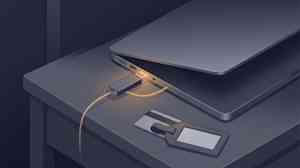
💡A hotel-room USB attack bypassed phishing defenses and exposed a blind spot before EDR could start.
⚡ 30-Second TL;DR
What Changed
Attackers reportedly accessed two hotel rooms in Hainan between March and May 2026 and modified unattended laptops.
Why It Matters
AI teams handling proprietary models, credentials or sensitive research face a physical-security risk that perimeter defenses may miss. The incident shows that endpoint protection must include boot integrity, device custody and travel-specific controls, not just phishing and network monitoring.
What To Do Next
Require Secure Boot, full-disk encryption and firmware or boot-order passwords on all traveling AI-team laptops, then verify compliance before the next business trip.
Key Points
- •Attackers reportedly accessed two hotel rooms in Hainan between March and May 2026 and modified unattended laptops.
- •FlowCloud was written to local storage by booting the target machines from a USB device, creating a detection gap before the operating system loaded.
- •Once the executives rebooted, the malware collected keystrokes, screenshots, files and credentials.
- •Traditional EDR, MFA and phishing defenses did not address the pre-boot physical-access window.
Weekly AI Recap
Read this week's curated digest of top AI events →
👉Related Updates
AI-curated news aggregator. All content rights belong to original publishers.
Original source: VentureBeat ↗
This is a summary, not the original. Read the source, or get the weekly briefing.
Weekly AI briefing
One email a week. Unsubscribe anytime.