🇨🇳cnBeta (Full RSS)•Freshcollected in 86m
US Treasury Sanctions VPN Provider for Enabling Ransomware
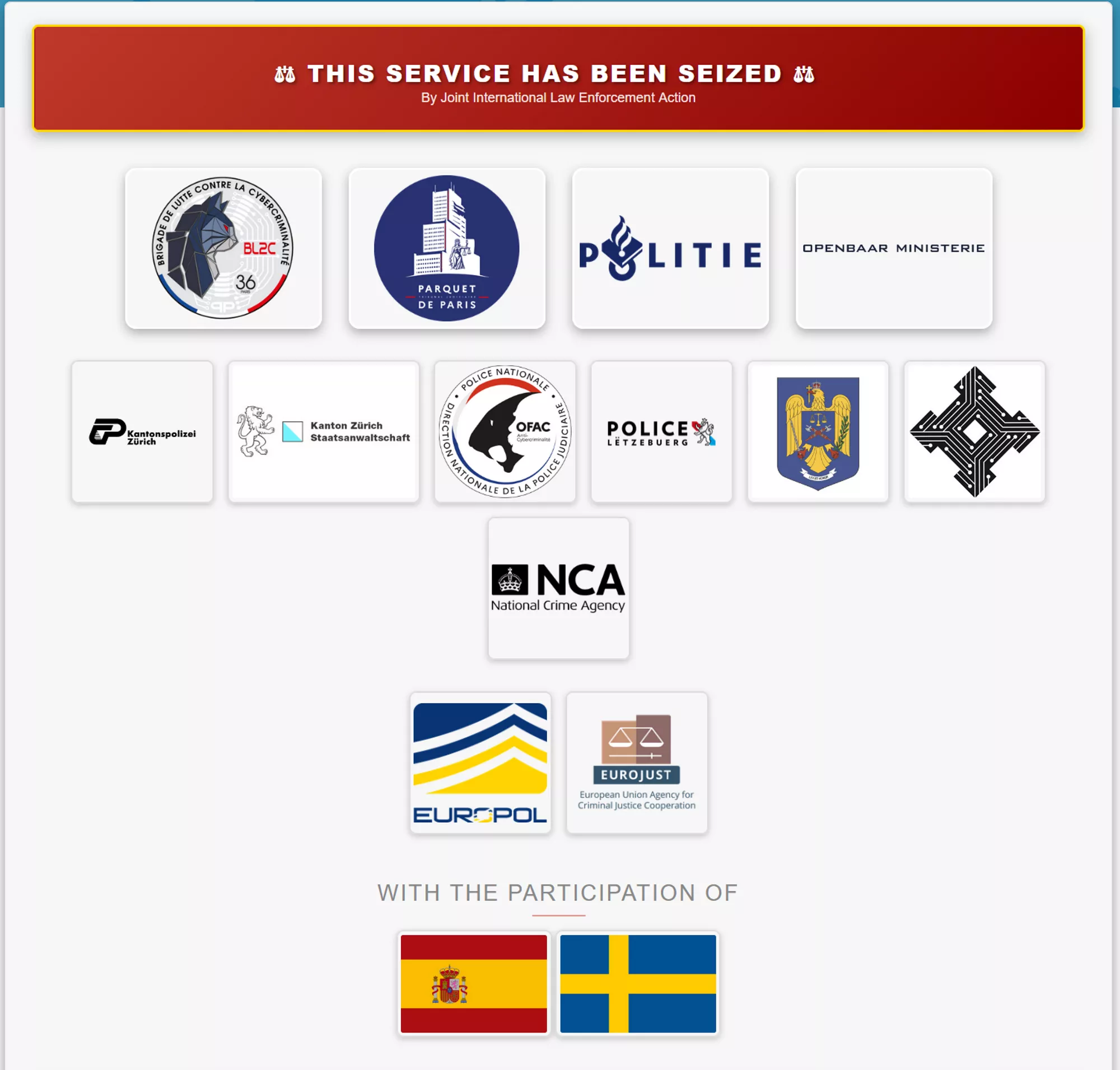
💡A major shift in how governments regulate privacy infrastructure and hold service providers accountable for abuse.
⚡ 30-Second TL;DR
What Changed
First-ever sanctions against a VPN provider for facilitating cybercrime.
Why It Matters
This sets a legal precedent that may force VPN and privacy-focused service providers to implement stricter KYC or monitoring protocols to avoid regulatory liability.
What To Do Next
Review your platform's compliance and abuse-reporting policies if you provide infrastructure that could be misused by malicious actors.
Who should care:Enterprise & Security Teams
Key Points
- •First-ever sanctions against a VPN provider for facilitating cybercrime.
- •The provider is accused of helping ransomware groups mask their digital footprints.
- •This action signals a broader crackdown on infrastructure supporting malicious actors.
🧠 Deep Insight
AI-generated analysis for this event.
🔑 Enhanced Key Takeaways
- •The sanctioned entity, identified as 'SafeNet VPN,' was specifically targeted for its 'no-logs' policy which the Treasury claims was marketed directly to cybercriminal forums to attract ransomware operators.
- •Treasury officials utilized Executive Order 13694, as amended, which allows for the imposition of sanctions on individuals and entities engaged in significant malicious cyber-enabled activities.
- •The sanctions include the freezing of all assets held by the VPN provider within US jurisdiction and a total prohibition on US persons or companies from conducting business with the entity.
- •Intelligence reports cited in the Treasury announcement indicate that SafeNet VPN infrastructure was used as a primary 'bulletproof' proxy service for at least three major ransomware-as-a-service (RaaS) affiliates.
- •The Department of Justice has concurrently unsealed an indictment against the VPN's administrators, charging them with conspiracy to commit money laundering and aiding and abetting computer fraud.
🛠️ Technical Deep Dive
- The provider utilized a distributed network of virtual private servers (VPS) hosted across multiple jurisdictions with lax data retention laws to obfuscate traffic origin.
- Implementation relied on a modified OpenVPN protocol that stripped metadata headers, preventing traffic analysis and attribution by security researchers.
- The service integrated a proprietary 'double-hop' routing mechanism that routed user traffic through two distinct international jurisdictions before reaching the destination, complicating law enforcement subpoena efforts.
- The backend infrastructure was managed via a decentralized control panel that accepted cryptocurrency payments exclusively, bypassing traditional banking KYC (Know Your Customer) requirements.
🔮 Future ImplicationsAI analysis grounded in cited sources
Increased regulatory scrutiny of 'no-logs' VPN providers.
This precedent establishes that privacy-focused marketing claims can be legally scrutinized if they are found to facilitate criminal infrastructure.
Shift toward 'Know Your Customer' (KYC) requirements for VPN services.
VPN providers may be forced to implement identity verification to avoid being classified as facilitators of illicit activity by international regulators.
⏳ Timeline
2024-03
SafeNet VPN launches with a marketing focus on 'absolute anonymity' and 'bulletproof' hosting.
2025-09
US intelligence agencies identify SafeNet VPN as a recurring node in ransomware command-and-control traffic.
2026-02
Treasury Department issues a formal warning to the entity regarding its failure to comply with anti-money laundering standards.
2026-07
US Treasury officially sanctions SafeNet VPN and its administrators.
📰
Weekly AI Recap
Read this week's curated digest of top AI events →
👉Related Updates


AI-curated news aggregator. All content rights belong to original publishers.
Original source: cnBeta (Full RSS) ↗