US Space Force to integrate commercial astronauts for missions
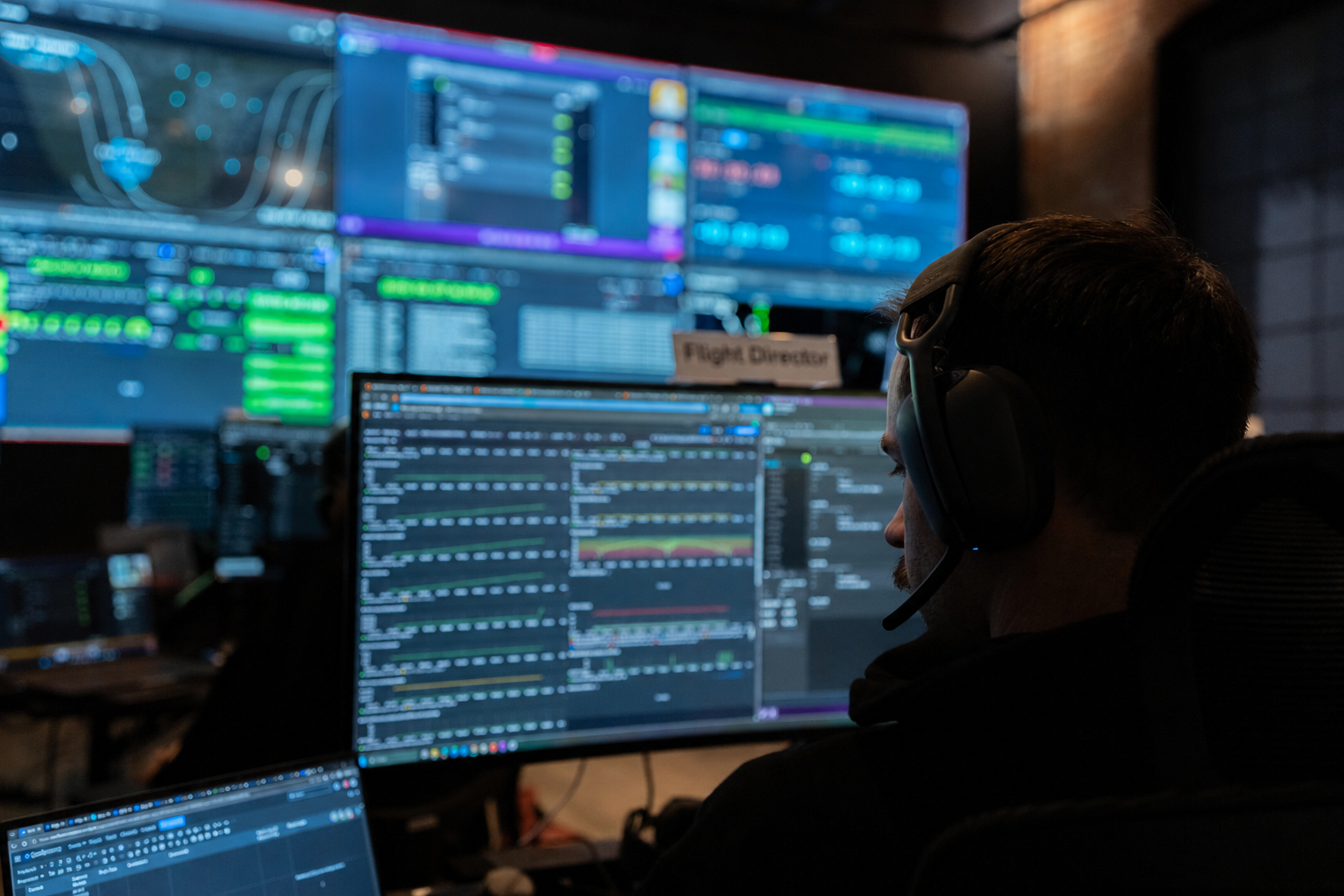
Understand the shift in military-commercial space operations that will drive future demand for autonomous space systems.
30-Second TL;DR
What Changed
US Space Force to utilize commercial astronauts for orbital missions
Why It Matters
This signals a new market for private space operators and potential opportunities for AI-driven automation in military-commercial hybrid space operations.
What To Do Next
Monitor commercial space flight APIs and automation protocols if developing software for orbital logistics or satellite management.
Key Points
- •US Space Force to utilize commercial astronauts for orbital missions
- •Shift from hardware procurement to operational human spaceflight
- •Deepening collaboration between military and private space sectors
Deep Insight
AI-generated analysis for this event — not the original article.
Enhanced Key Takeaways
- •The initiative is part of the Space Force's 'Commercial Space Integration Strategy,' aimed at leveraging rapid innovation cycles in the private sector to maintain orbital superiority.
- •The program specifically targets 'Commercial Space Domain Awareness' (CSDA) missions, where private astronauts will assist in monitoring and identifying potential threats to US orbital assets.
- •Legal frameworks are being updated to address the 'status' of commercial personnel under the Geneva Convention when operating alongside military personnel in contested environments.
- •The Space Force is partnering with the FAA to streamline launch licensing for missions that carry both military payloads and non-military, commercial crew members.
- •Initial pilot programs are expected to utilize existing commercial crew vehicles, such as SpaceX's Dragon or Boeing's Starliner, modified with secure, military-grade communication suites.
Technical Deep Dive
- Integration of Secure Enclave architectures within commercial crew capsules to isolate military mission data from commercial flight systems.
- Implementation of Multi-Level Security (MLS) protocols to allow commercial pilots access to unclassified situational awareness data while maintaining strict compartmentalization of classified mission parameters.
- Utilization of standardized docking interfaces (IDSS) to ensure interoperability between Space Force assets and various commercial launch providers.
- Deployment of encrypted, low-latency satellite communication links (likely via Starshield or similar constellations) for real-time command and control of commercial crewed assets.
Future ImplicationsAI analysis grounded in cited sources
Timeline
- 2019-12Establishment of the United States Space Force as an independent military branch.
- 2022-08Space Force releases the Commercial Space Strategy, emphasizing the need for deeper integration with private industry.
- 2024-05Space Force conducts initial feasibility studies on utilizing commercial crew vehicles for rapid orbital response.
- 2025-11Department of Defense updates policy guidance regarding the inclusion of non-military personnel in sensitive orbital operations.
- 2026-04Space Force announces the formal framework for the commercial astronaut integration program.
Weekly AI Recap
Read this week's curated digest of top AI events →
Related Updates

AI-curated news aggregator. All content rights belong to original publishers.
Original source: cnBeta (Full RSS) ↗
This is a summary, not the original. Read the source, or get the weekly briefing.
The weekly digest
One email a week. Unsubscribe anytime.