US Robotics Faces a China Wall
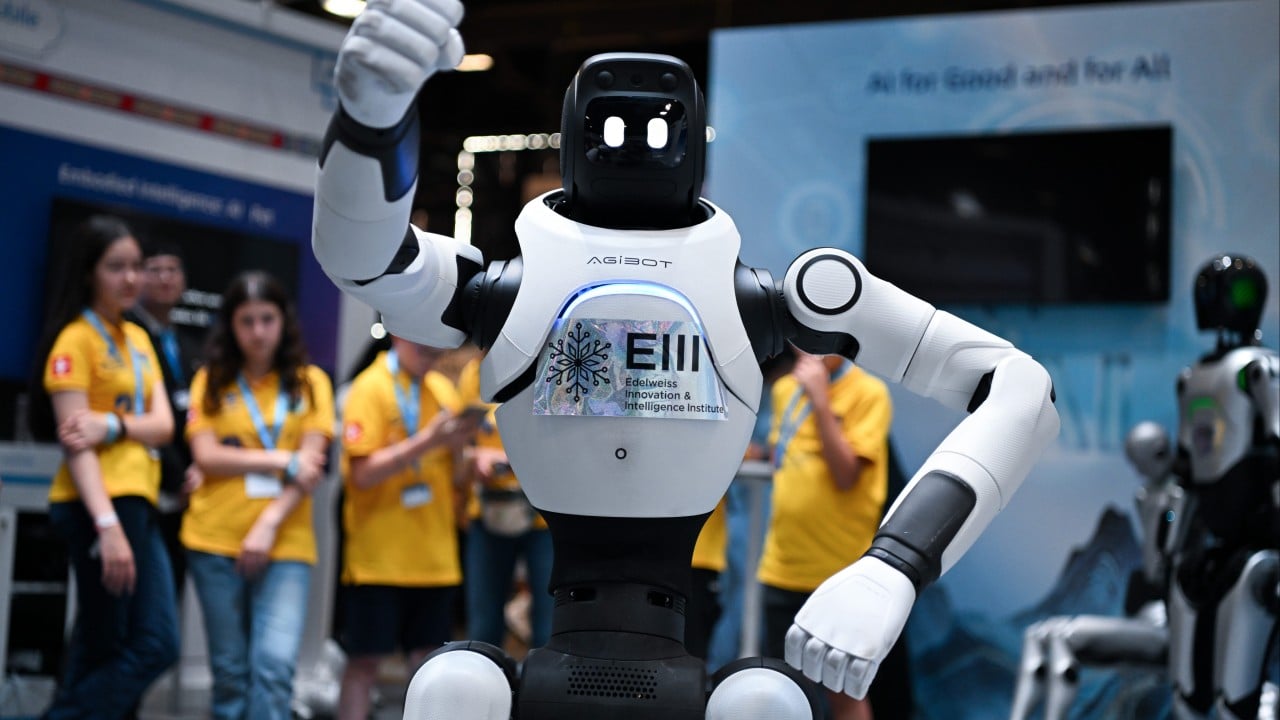
New US restrictions could reshape the hardware and supply chains behind embodied AI.
30-Second TL;DR
What Changed
The FCC expanded its Covered List to include foreign-made humanoid robots and quadruped robots.
Why It Matters
US robotics developers may face higher costs, longer qualification cycles, and reduced component choice if Chinese hardware becomes unavailable. The restrictions could also weaken competitive pressure and slow the deployment of embodied AI systems in the US.
What To Do Next
Audit your robot stack and supplier BOM for Covered List exposure, then qualify at least one FCC-authorised alternative for every affected actuator, inverter, and robotic platform.
Key Points
- •The FCC expanded its Covered List to include foreign-made humanoid robots and quadruped robots.
- •Power inverters were also added, extending restrictions beyond complete robotic platforms to key hardware components.
- •Covered products can be denied the authorisation that many electronic devices need to operate in the US market.
- •The policy may limit US robotics companies’ access to Chinese suppliers, components, and technology.
Deep Insight
AI-generated analysis for this event — not the original article.
Enhanced Key Takeaways
- •The FCC's action leverages the Secure Equipment Act of 2021, which mandates that the commission no longer review or approve any application for equipment authorization for equipment that is on the Covered List.
- •Brendan Carr has specifically cited national security concerns regarding the potential for Chinese-made robots to collect sensitive data, including mapping of critical infrastructure and personal biometric information.
- •The inclusion of power inverters is a strategic move to address vulnerabilities in the US energy grid, as these devices are critical for managing power flow in solar and battery storage systems often integrated with robotics.
- •Industry groups have expressed concerns that the broad definition of 'covered' robotics could inadvertently capture dual-use technologies, complicating compliance for US firms that rely on global semiconductor supply chains.
- •This policy shift aligns with broader US efforts to decouple from Chinese technology, following similar restrictions previously applied to telecommunications equipment from companies like Huawei and ZTE.
Technical Deep Dive
- The FCC's restriction targets devices utilizing specific communication protocols (e.g., 5G, Wi-Fi 6/7) that could facilitate unauthorized data exfiltration or remote control by foreign entities.
- Power inverters are being scrutinized for firmware-level vulnerabilities that could allow for remote grid disruption or unauthorized access to industrial control systems (ICS).
- The definition of 'covered' robotics encompasses autonomous systems with advanced sensor suites, including LiDAR, high-resolution cameras, and ultrasonic sensors, which are deemed capable of persistent surveillance.
Future ImplicationsAI analysis grounded in cited sources
Timeline
- 2021-11President Biden signs the Secure Equipment Act of 2021 into law, granting the FCC authority to deny equipment authorizations.
- 2022-11FCC adopts new rules prohibiting the authorization of equipment from companies on the Covered List, initially focusing on telecommunications.
- 2024-05FCC Commissioner Brendan Carr calls for a broader review of connected vehicle and robotics technology security risks.
- 2026-07White House task force completes its review of national security risks associated with foreign-made autonomous systems.
- 2026-08FCC officially expands the Covered List to include humanoid robots, quadrupeds, and power inverters.
Weekly AI Recap
Read this week's curated digest of top AI events →
Related Updates



AI-curated news aggregator. All content rights belong to original publishers.
Original source: SCMP Technology ↗
This is a summary, not the original. Read the source, or get the weekly briefing.
The weekly digest
One email a week. Unsubscribe anytime.