US Micro-Reactors Achieve Criticality for Data Center Power
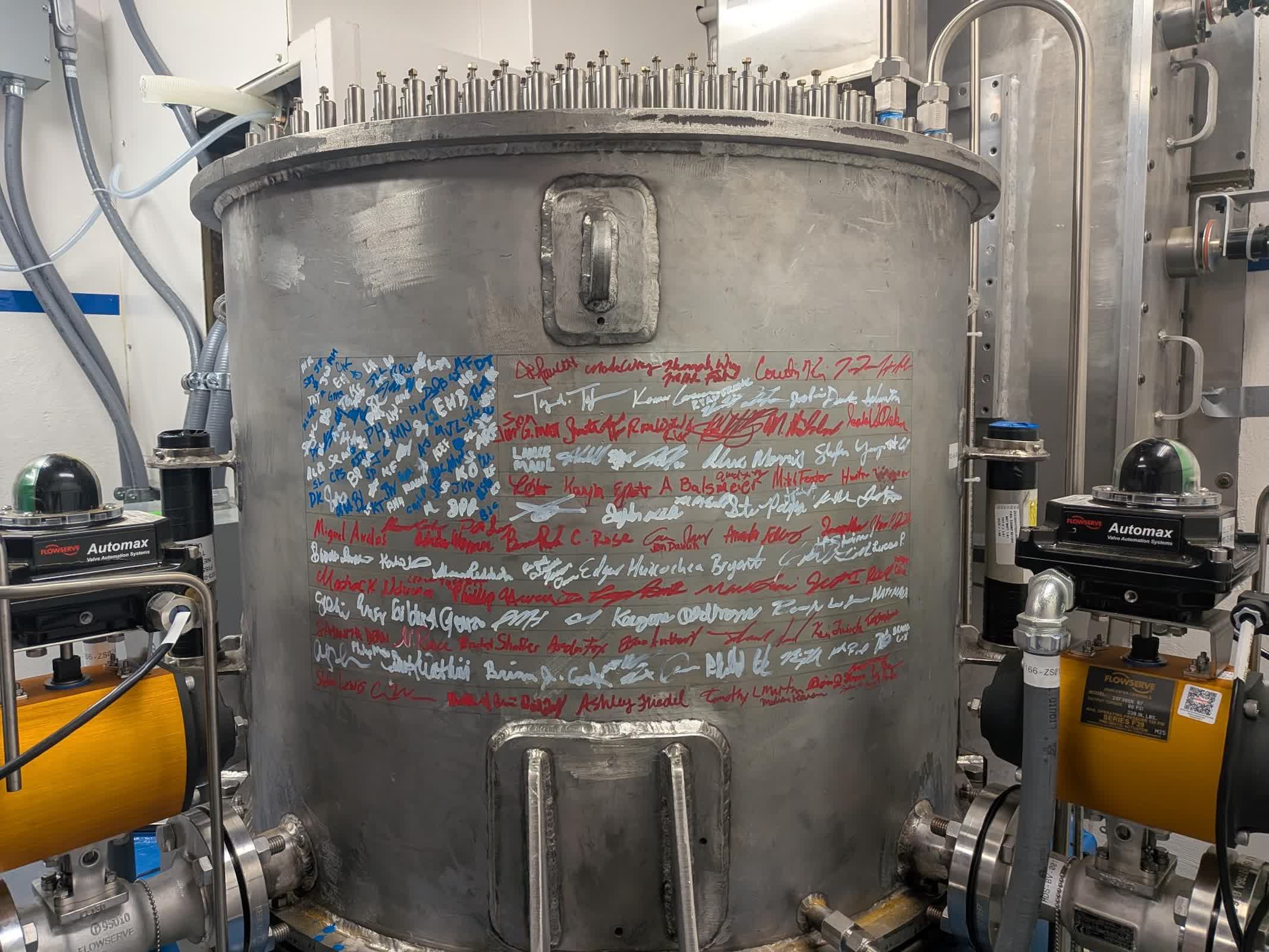
💡Energy innovation is the primary bottleneck for AI scaling; micro-reactors offer a potential path to sustainable power.
⚡ 30-Second TL;DR
What Changed
Deployable Energy's 'Unity' reactor is the latest to achieve criticality.
Why It Matters
Successful deployment of micro-reactors could solve the energy bottleneck currently limiting the scaling of large-scale AI training clusters.
What To Do Next
Evaluate the energy density requirements of your infrastructure and track the commercial availability of SMRs for future data center planning.
Key Points
- •Deployable Energy's 'Unity' reactor is the latest to achieve criticality.
- •Antares and Valar Atomics reactors reached the same milestone in June.
- •Micro-reactors are being evaluated as stable, high-density power sources for AI data centers.
🧠 Deep Insight
AI-generated analysis for this event — not the original article.
🔑 Enhanced Key Takeaways
- •The Unity reactor utilizes High-Assay Low-Enriched Uranium (HALEU) fuel, which allows for a smaller core size and longer operational cycles compared to traditional light-water reactors.
- •Regulatory approval for these deployments was expedited under the NRC's Part 53 framework, specifically designed for advanced, non-light-water reactor technologies.
- •The 'Unity' reactor design incorporates a passive decay heat removal system that eliminates the need for active cooling pumps during emergency shutdowns.
- •Data center operators are integrating these micro-reactors behind-the-meter to bypass grid congestion and reduce transmission losses associated with long-distance power delivery.
- •The Antares and Valar Atomics reactors utilize molten salt cooling technology, which operates at near-atmospheric pressure, significantly reducing the risk of high-pressure containment failure.
📊 Competitor Analysis▸ Show
| Feature | Unity (Deployable Energy) | Antares Reactor | Valar Atomics | Traditional SMRs |
|---|---|---|---|---|
| Coolant Type | Gas-Cooled | Molten Salt | Molten Salt | Pressurized Water |
| Power Output | 5-10 MWe | 15-20 MWe | 12-18 MWe | 50-300 MWe |
| Deployment Time | < 18 Months | < 24 Months | < 24 Months | 5-10 Years |
| Primary Market | Edge Data Centers | Hyperscale Clusters | Industrial/Grid | Utility Grid |
🛠️ Technical Deep Dive
- Unity Reactor: Employs a TRISO (Tri-structural Isotropic) fuel particle architecture, which provides high thermal stability and fission product retention.
- Molten Salt Systems: Antares and Valar Atomics utilize fluoride-based salt mixtures that serve as both coolant and fuel carrier, enabling inherent safety through a negative temperature coefficient of reactivity.
- Power Density: These micro-reactors achieve a power density of approximately 20-30 MW/m3, allowing for modular installation within existing industrial footprints.
- Control Systems: All three reactors utilize automated, AI-driven control rods that adjust reactivity in real-time to match the fluctuating power demands of high-performance computing (HPC) loads.
🔮 Future ImplicationsAI analysis grounded in cited sources
⏳ Timeline
Weekly AI Recap
Read this week's curated digest of top AI events →
👉Related Updates
AI-curated news aggregator. All content rights belong to original publishers.
Original source: cnBeta (Full RSS) ↗
This is a summary, not the original. Read the source, or get the weekly briefing.
The weekly digest
One email a week. Unsubscribe anytime.