US Low-Cost Lucas Drone Masters Battlefield
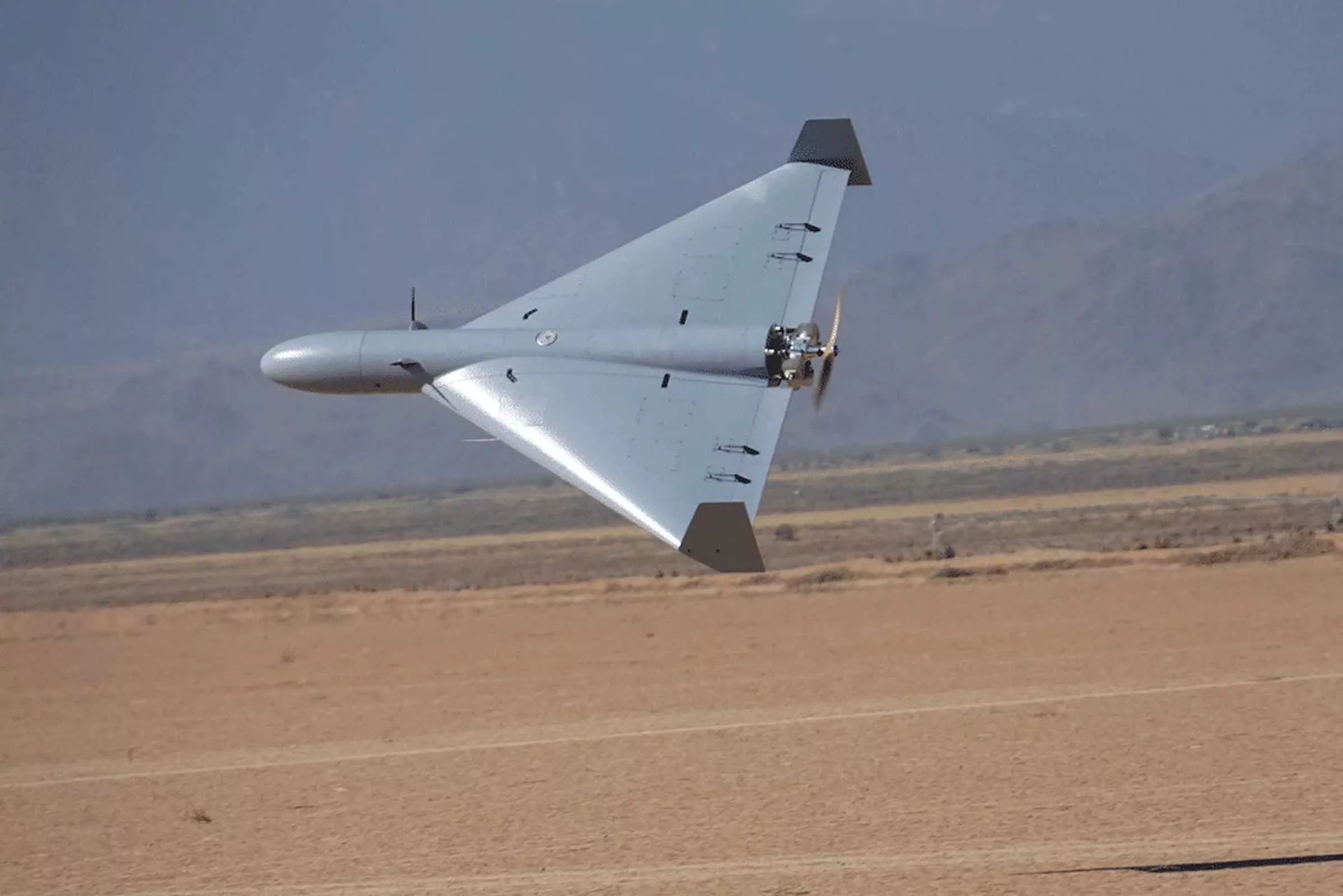
💡Military's reverse-eng low-cost drone strategy offers blueprint for fast embodied AI hardware prototyping.
⚡ 30-Second TL;DR
What Changed
Reverse-engineered from Iranian drone tech for low-cost production.
Why It Matters
Highlights agile, cost-effective hardware iteration applicable to embodied AI robotics, potentially accelerating development cycles for autonomous systems in defense and beyond.
What To Do Next
Prototype low-cost UAVs using PX4 autopilot to mimic Lucas rapid iteration for AI autonomy testing.
Key Points
- •Reverse-engineered from Iranian drone tech for low-cost production.
- •FLM-136 Lucas focuses on rapid deployment, low price, high adaptability.
- •Evolving from experimental to primary battlefield asset.
- •Drives Pentagon shift from expensive, slow weapon programs.
🧠 Deep Insight
Background and context from public sources — not the original article. 5 sources cited.
🔑 Enhanced Key Takeaways
- •The LUCAS drone was developed by Arizona-based defense contractor SpektreWorks, evolving from an earlier target drone (the FLM-136) originally intended for training and threat emulation to simulate Iranian Shahed-136 capabilities.
- •The program utilized the Indiana National Guard's 'T-REX' (Technology and Readiness Experimentation) framework to accelerate the transition from a July 2025 Pentagon demonstration to operational deployment in February 2026, a seven-month timeline.
- •LUCAS is integrated into Task Force Scorpion Strike (TFSS), a specialized unit under U.S. Special Operations Command Central (SOCCENT) established in December 2025 specifically to field low-cost, attritable drone capabilities.
📊 Competitor Analysis▸ Show
| Feature | LUCAS (FLM-136) | Shahed-136 (Iran) | Tomahawk Cruise Missile |
|---|---|---|---|
| Unit Cost | ~$35,000 | ~$20,000 - $50,000 | >$2,000,000 |
| Primary Role | Attritable Strike/Saturation | Attritable Strike/Saturation | Precision Strategic Strike |
| Guidance | Advanced/Networked | GPS/Inertial (Limited) | Advanced/Multi-mode |
| Endurance | ~6 Hours | ~6-10 Hours | ~2+ Hours (High Speed) |
🛠️ Technical Deep Dive
- •Airframe: Composite delta-wing configuration with wingtip vertical stabilizers, approx. 3 meters long.
- •Propulsion: 215cc carbureted internal combustion engine (rear pusher propeller).
- •Performance: Cruise speed ~55 knots (63 mph), dash speed ~100 knots (115 mph), service ceiling >10,000 ft.
- •Payload: 18-20 kg (approx. 40 lbs) high-explosive warhead.
- •Operational Range: ~350-500 nautical miles.
- •Launch Methods: Catapult, rocket-assisted takeoff, or mobile ground systems; ship-based launch capability confirmed.
🔮 Future ImplicationsAI analysis grounded in cited sources
⏳ Timeline
📎 Sources (5)
Factual claims are grounded in the sources below. Forward-looking analysis is AI-generated interpretation.
Weekly AI Recap
Read this week's curated digest of top AI events →
👉Related Updates
AI-curated news aggregator. All content rights belong to original publishers.
Original source: cnBeta (Full RSS) ↗
This is a summary, not the original. Read the source, or get the weekly briefing.
The weekly digest
One email a week. Unsubscribe anytime.