U.S.-Japan FX Intervention Shields AI Markets
Rising bond yields could reshape the cost and valuation assumptions behind today’s AI boom.
30-Second TL;DR
What Changed
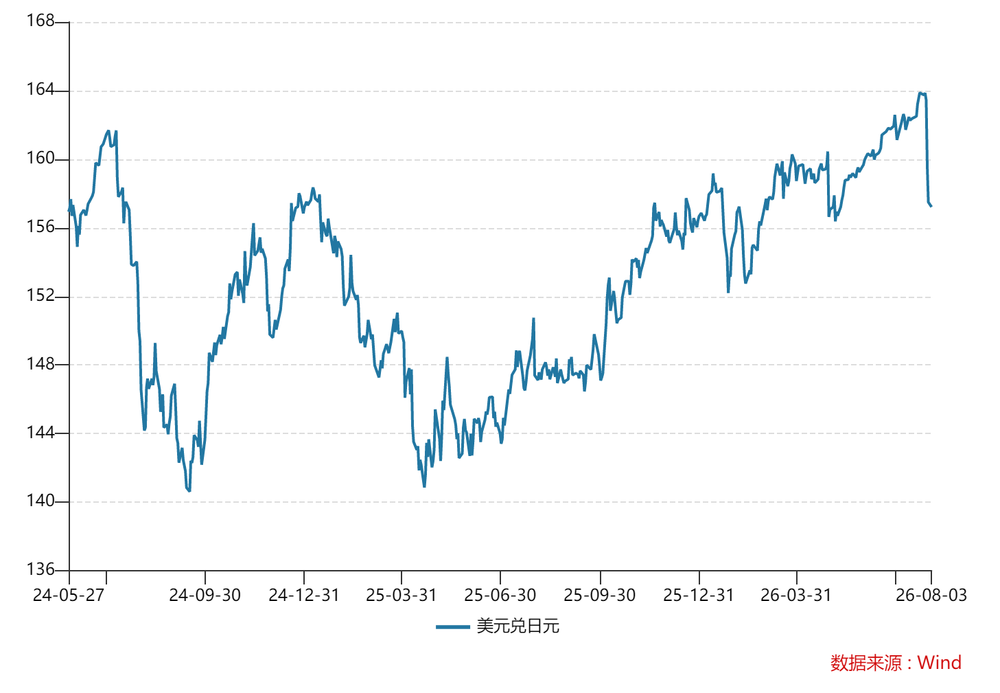
Japan may sell U.S. Treasuries to support the yen, potentially pushing Treasury yields higher.
Why It Matters
AI companies with large infrastructure budgets are especially exposed to higher financing costs and valuation compression. A prolonged rise in Treasury yields could make data-center construction, GPU procurement, and speculative AI projects harder to finance.
What To Do Next
Stress-test your AI infrastructure budget with a 100-basis-point increase in financing costs before committing to long-term GPU or data-center capacity.
Key Points
- •Japan may sell U.S. Treasuries to support the yen, potentially pushing Treasury yields higher.
- •Higher discount rates would put pressure on expensive technology and AI stocks whose valuations depend on future earnings.
- •The reported intervention used Japan’s dollar reserves and a FIMA repo mechanism, while the estimated Japanese intervention reached about ¥8.45 trillion.
- •Persistent U.S.-Japan interest-rate differentials and record yen short positions remain obstacles to a lasting currency recovery.
Deep Insight
AI-generated analysis for this event — not the original article.
Enhanced Key Takeaways
- •The intervention strategy reportedly utilized the Federal Reserve's Foreign and International Monetary Authorities (FIMA) repo facility to allow Japan to access dollar liquidity without triggering a disorderly fire sale of U.S. Treasuries.
- •Market analysts note that the yen's carry trade unwinding has been exacerbated by hedge funds that utilized low-interest yen loans to finance high-beta AI and semiconductor equity positions.
- •Japanese Ministry of Finance officials have increasingly signaled that 'excessive volatility'—rather than specific exchange rate levels—is the primary trigger for market intervention.
- •The Bank of Japan's recent shift toward normalizing monetary policy, including the reduction of monthly bond purchases, is creating a structural conflict with the Federal Reserve's 'higher-for-longer' interest rate stance.
- •Institutional investors are monitoring the 'basis swap' spreads between the dollar and yen as a key indicator of systemic stress in global funding markets, which historically precedes liquidity crunches in tech-heavy indices.
Future ImplicationsAI analysis grounded in cited sources
Timeline
- 2024-04Japan conducts significant FX intervention as the yen hits 34-year lows against the dollar.
- 2024-07Bank of Japan raises interest rates and announces a plan to reduce monthly bond purchases.
- 2025-03The Bank of Japan officially ends its negative interest rate policy, marking a historic shift.
- 2026-05Yen depreciation accelerates, prompting renewed discussions regarding coordinated G7 intervention.
- 2026-07Reports emerge of coordinated U.S.-Japan efforts to stabilize currency markets amid AI-driven market volatility.
Weekly AI Recap
Read this week's curated digest of top AI events →
AI-curated news aggregator. All content rights belong to original publishers.
Original source: 虎嗅 ↗
This is a summary, not the original. Read the source, or get the weekly briefing.
The weekly digest
One email a week. Unsubscribe anytime.