US Imposes 15% Polysilicon Tariff
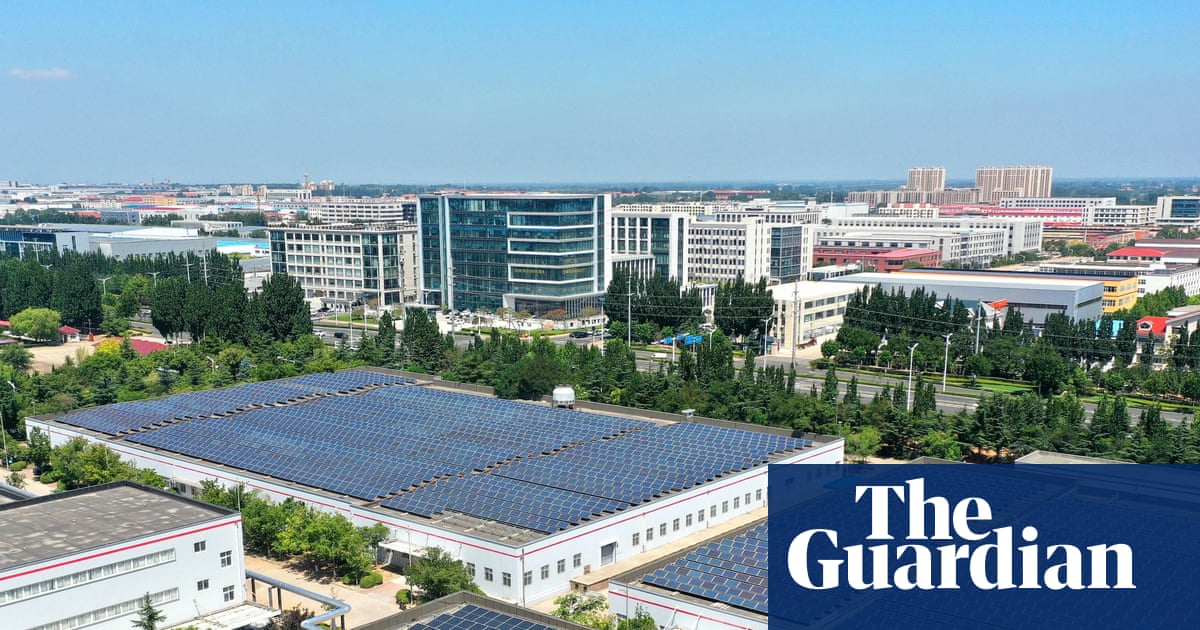
A new US tariff could reshape the chip supply chain and raise infrastructure costs for AI builders.
30-Second TL;DR
What Changed
A 15% tariff will apply to imported products made with polysilicon.
Why It Matters
Higher polysilicon costs could increase expenses for semiconductor and solar manufacturers using affected imports. AI companies may face indirect cost and procurement risks if chip supply chains become more expensive or constrained.
What To Do Next
Audit your semiconductor and data-center procurement BOMs for polysilicon exposure, then model a 15% landed-cost increase from December 4.
Key Points
- •A 15% tariff will apply to imported products made with polysilicon.
- •The tariff takes effect on December 4.
- •Polysilicon is used in microchip manufacturing and solar-panel production.
- •The policy targets supply-chain competition with China in AI and energy.
Deep Insight
AI-generated analysis for this event — not the original article.
Enhanced Key Takeaways
- •The tariff specifically targets the 'upstream' supply chain, aiming to incentivize domestic production of high-purity electronic-grade polysilicon which is currently dominated by Chinese firms like GCL-Poly and Daqo New Energy.
- •Industry analysts suggest this move is a direct escalation of the 2024-2025 trade tensions, following previous restrictions on advanced semiconductor manufacturing equipment (SME) exports to China.
- •Solar industry trade groups have warned that the 15% levy could increase the 'levelized cost of energy' (LCOE) for utility-scale solar projects in the US by approximately 4-7% in the short term.
- •The policy includes a 'grandfathering' clause for contracts signed before August 1, 2026, allowing companies to apply for exemptions if they can prove no viable domestic alternative exists.
- •This measure complements the existing CHIPS and Science Act subsidies, creating a 'carrot and stick' approach to force semiconductor manufacturers to source raw materials from North American or allied suppliers.
Technical Deep Dive
- Polysilicon (poly-crystalline silicon) is refined to 'electronic grade' (9N to 11N purity, or 99.999999999% purity) for Czochralski process silicon ingot growth.
- The manufacturing process typically utilizes the Siemens process, involving the chemical vapor deposition of trichlorosilane gas onto high-purity silicon rods.
- Solar-grade polysilicon (6N purity) is less energy-intensive to produce than electronic-grade, but the tariff structure does not currently distinguish between the two grades, potentially impacting both industries equally.
- Impurity levels in polysilicon directly affect the carrier lifetime and efficiency of photovoltaic cells and the yield rates of semiconductor wafer fabrication.
Future ImplicationsAI analysis grounded in cited sources
Timeline
- 2022-08Passage of the CHIPS and Science Act to boost domestic semiconductor manufacturing.
- 2024-05US administration increases Section 301 tariffs on Chinese solar cells and modules.
- 2025-11Department of Commerce initiates a review of polysilicon supply chain vulnerabilities.
- 2026-08Official announcement of the 15% polysilicon tariff effective December 2026.
Weekly AI Recap
Read this week's curated digest of top AI events →
AI-curated news aggregator. All content rights belong to original publishers.
Original source: The Guardian Technology ↗
This is a summary, not the original. Read the source, or get the weekly briefing.
The weekly digest
One email a week. Unsubscribe anytime.