US House Slams China's AI Theft Campaign
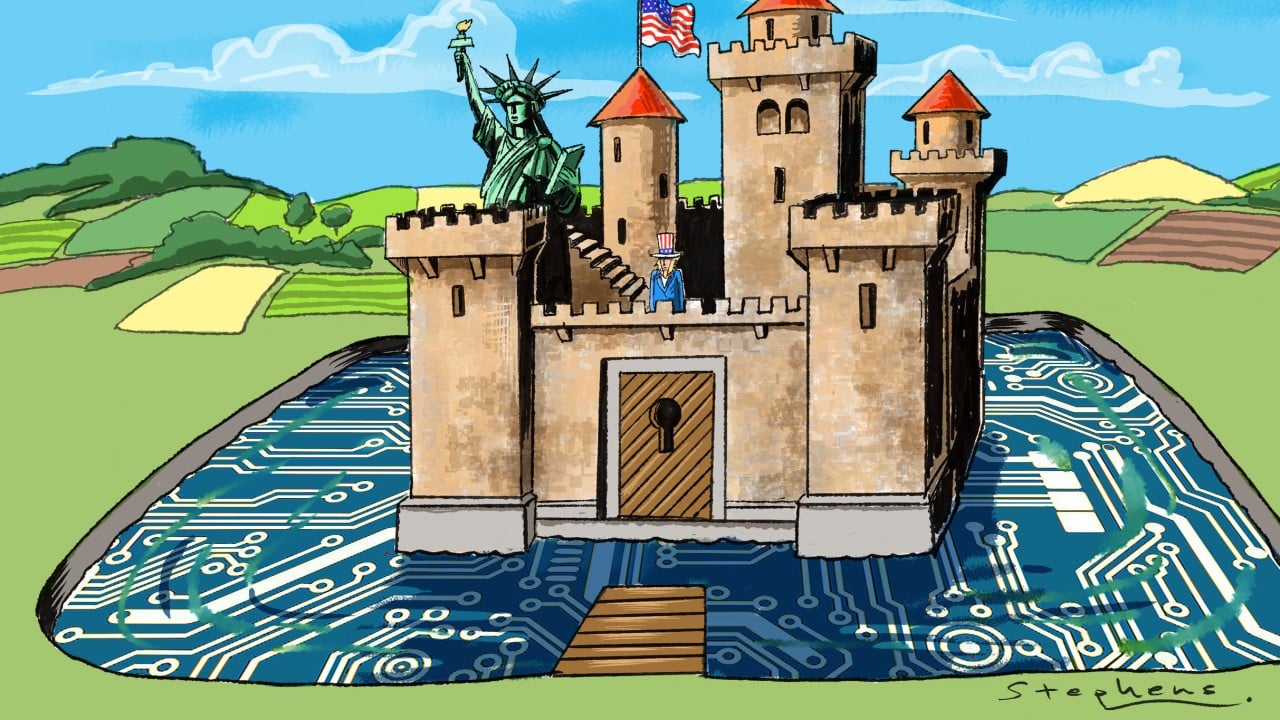
💡US policy shift on China AI theft—key for global tech strategy & compliance
⚡ 30-Second TL;DR
What Changed
US House report accuses China of buying and stealing frontier AI
Why It Matters
This could tighten US AI export controls, limiting tech transfers to China and forcing AI firms to reassess global partnerships. Practitioners may face new compliance hurdles in international collaborations.
What To Do Next
Download and read the full US House report on China's AI strategies at the committee website.
Key Points
- •US House report accuses China of buying and stealing frontier AI
- •Highlights ties between China's AI rise and US market/security concerns
- •Report influences Washington policy lens on US-China tech rivalry
🧠 Deep Insight
AI-generated analysis for this event — not the original article.
🔑 Enhanced Key Takeaways
- •The report specifically identifies the exploitation of open-source AI models and the recruitment of US-based researchers as primary vectors for technology transfer, moving beyond traditional corporate espionage.
- •Legislators are proposing a new 'AI Export Control' framework that would mandate stricter vetting for cloud computing providers that host frontier models, aiming to prevent Chinese entities from accessing high-end compute resources.
- •The committee's findings have triggered bipartisan support for legislation that would restrict US venture capital investment in Chinese AI startups, citing the 'dual-use' nature of AI research.
🔮 Future ImplicationsAI analysis grounded in cited sources
⏳ Timeline
Weekly AI Recap
Read this week's curated digest of top AI events →
👉Related Updates

AI-curated news aggregator. All content rights belong to original publishers.
Original source: SCMP Technology ↗
This is a summary, not the original. Read the source, or get the weekly briefing.
The weekly digest
One email a week. Unsubscribe anytime.