US Farmers Reject Datacenter Land Bids
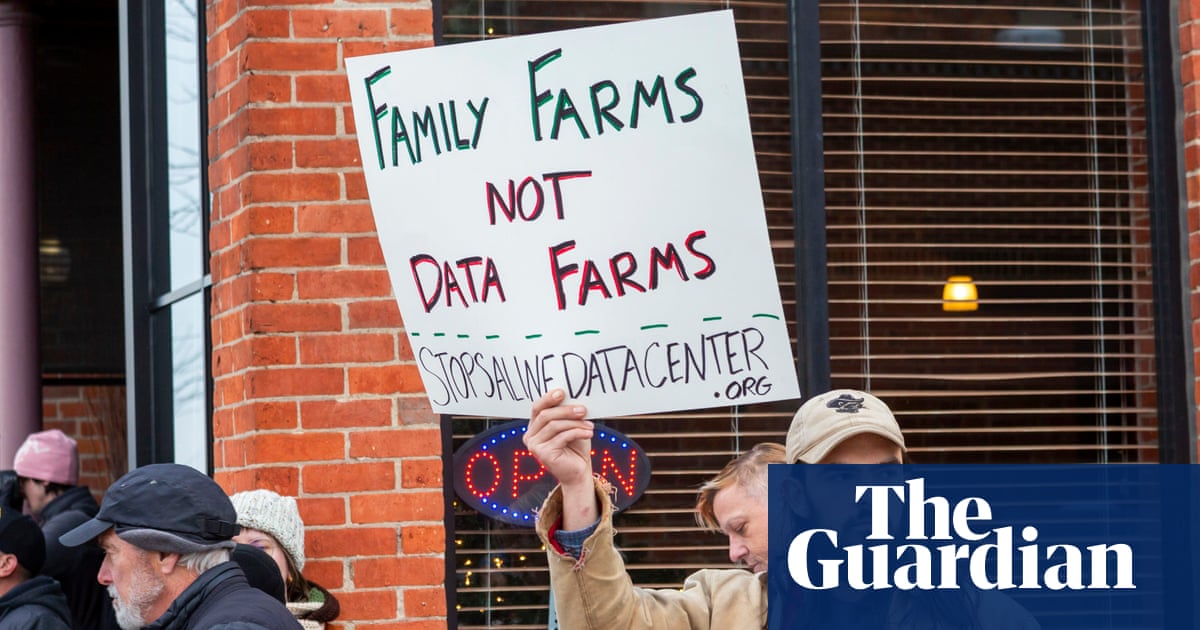
💡Farmer rejections signal US datacenter land bottlenecks threatening AI scaling.
⚡ 30-Second TL;DR
What Changed
Ida Huddleston rejected $33m for 650 acres in Mason County, Kentucky
Why It Matters
Farmer resistance could delay datacenter expansions vital for AI compute, exacerbating supply shortages and raising costs for cloud providers. AI practitioners may face prolonged wait times for GPU capacity amid booming training needs.
What To Do Next
Assess international datacenter options like Europe or Asia to hedge against US land acquisition delays.
Key Points
- •Ida Huddleston rejected $33m for 650 acres in Mason County, Kentucky
- •Unnamed Fortune 100 company seeks land for unspecified industrial development
- •Farmers prioritize family legacy and identity over financial windfalls
- •Datacenter bids highlight AI-driven infrastructure land competition
🧠 Deep Insight
Background and context from public sources — not the original article. 4 sources cited.
🔑 Enhanced Key Takeaways
- •Ida Huddleston in Kentucky rejected a $33 million offer from an unnamed Fortune 100 company for her 650-acre family farm in Mason County to preserve agricultural heritage amid AI-driven datacenter demands.
- •Mervin Raudabaugh, an 86-year-old Pennsylvania farmer in Cumberland County, turned down over $15 million ($60,000 per acre) for his 261-acre farmland, opting instead for a $2 million conservation easement finalized on December 30, 2025, with Lancaster Farmland Trust to keep it agricultural forever.
- •Farmers prioritize family legacy, personal memories, and farmland preservation over multimillion-dollar offers, with Raudabaugh citing emotional ties like his mother's death in the barn and concerns for the future of American farming.
- •Aggressive pursuit by datacenter developers, including near-legal action in Raudabaugh's case, highlights intensifying competition for rural land with power, water, and transport access due to surging AI infrastructure needs.
- •Broader land-use conflict: Pennsylvania loses ~1,200 acres of farmland weekly; AI datacenters projected to occupy up to 1,000 square miles in the US by 2030, sparking debates on local control, conservation, and grid strain.
🔮 Future ImplicationsAI analysis grounded in cited sources
This trend underscores escalating tensions between AI infrastructure expansion and farmland preservation, potentially increasing conservation easement adoption, local opposition to datacenters, higher land costs for tech firms, and policy debates on zoning, power grid capacity, and agricultural subsidies amid projected massive land and energy demands.
⏳ Timeline
📎 Sources (4)
Factual claims are grounded in the sources below. Forward-looking analysis is AI-generated interpretation.
Weekly AI Recap
Read this week's curated digest of top AI events →
👉Related Updates
AI-curated news aggregator. All content rights belong to original publishers.
Original source: The Guardian Technology ↗
This is a summary, not the original. Read the source, or get the weekly briefing.
Weekly AI briefing
One email a week. Unsubscribe anytime.