US Congress Advances Major Export Curbs on China
💡US's biggest chip export ban hits AI hardware—review supply risks now
⚡ 30-Second TL;DR
What Changed
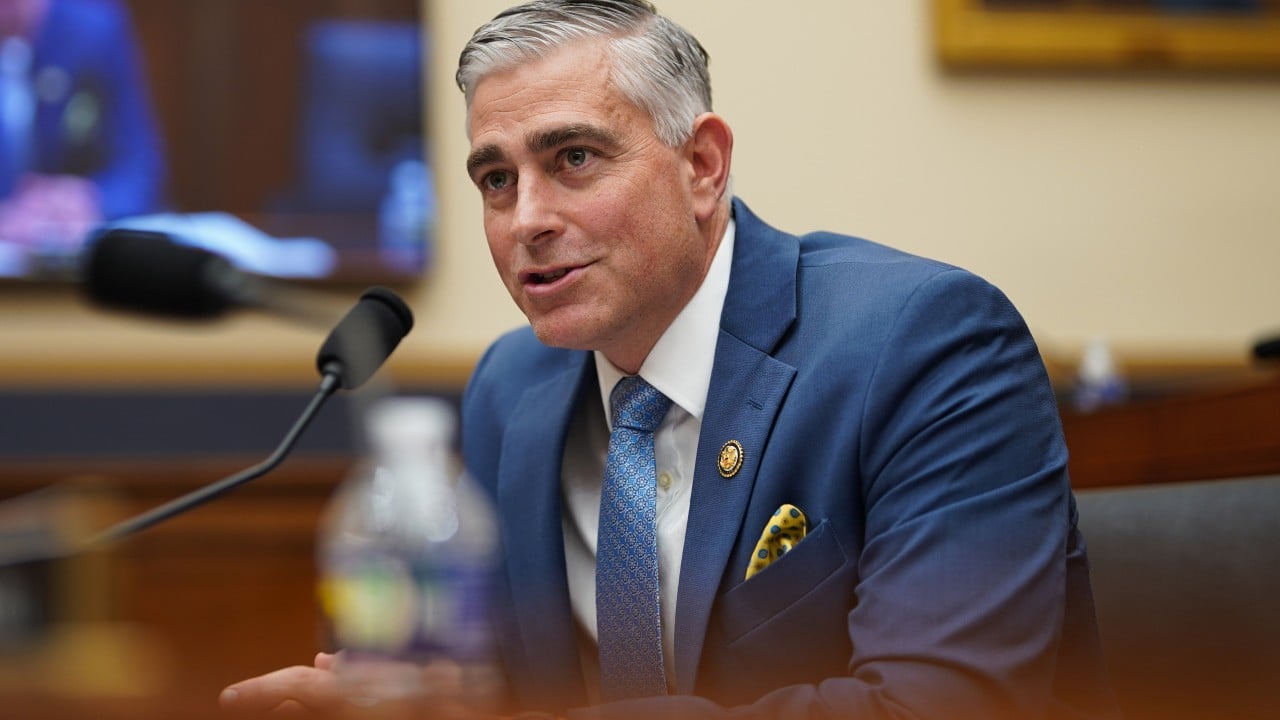
House Foreign Affairs Committee passed 20 export control measures in committee stage
Why It Matters
These controls accelerate US-China tech decoupling, disrupting global AI chip supply chains and increasing costs for hardware-dependent AI firms. Companies with China exposure face compliance risks and potential delays in advanced node production. AI practitioners should anticipate tighter Nvidia GPU availability in affected markets.
What To Do Next
Audit your supply chain for US-origin semiconductor tools and model compliance with new export rules.
Key Points
- •House Foreign Affairs Committee passed 20 export control measures in committee stage
- •Includes controversial Match Act to bar Chinese chipmakers
- •Restricts access to US tech and advanced semiconductor equipment
- •Part of escalating US-China tech war
- •Set for full House deliberation
🧠 Deep Insight
AI-generated analysis for this event — not the original article.
🔑 Enhanced Key Takeaways
- •The 'Match Act' specifically targets the integration of US-origin intellectual property in third-country manufacturing facilities, aiming to close loopholes that allowed Chinese firms to bypass direct export bans.
- •The legislative package includes provisions for mandatory 'end-user' verification audits for all US semiconductor equipment exports to Southeast Asian nations, addressing concerns regarding transshipment to China.
- •Industry analysts note that these measures represent a shift from 'entity-based' restrictions to 'technology-class' restrictions, effectively creating a blanket ban on specific nodes of logic and memory chip production equipment.
🔮 Future ImplicationsAI analysis grounded in cited sources
⏳ Timeline
Weekly AI Recap
Read this week's curated digest of top AI events →
👉Related Updates
AI-curated news aggregator. All content rights belong to original publishers.
Original source: SCMP Technology ↗
This is a summary, not the original. Read the source, or get the weekly briefing.
The weekly digest
One email a week. Unsubscribe anytime.